

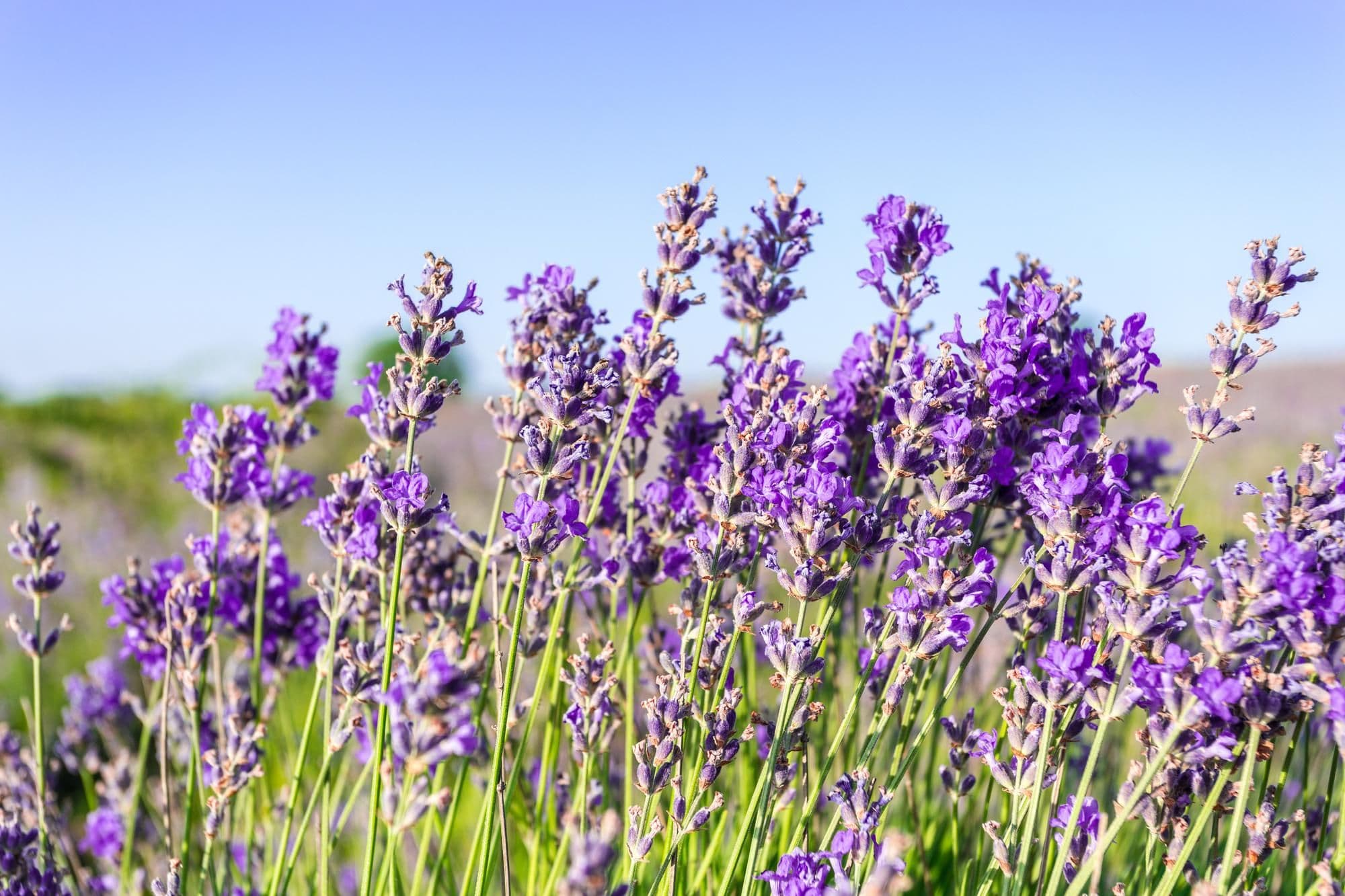
ramp (Allium tricoccum) Light Needs

ramp grows best in partial shade, with filtered spring light and protection from strong afternoon sun.

Light Preference

Partial Shade

Allium tricoccum Light Requirements

Allium tricoccum grows naturally in rich, moist deciduous woodlands of eastern North America. In early spring, it receives brighter filtered light and some gentle sun before the tree canopy closes.

Once overhead shade develops, leaves continue in cooler, lower light until the plant begins its natural seasonal dormancy. Cultivated plants perform best when this same pattern is protected. Its preferred light is partial shade.

  • Ideal exposure:

    ramp needs about 4–6 hours of filtered light or partial sun daily, including up to 1–3 hours of gentle direct morning sun.

  • Direct sun limit:

    Full sun is not recommended, especially once temperatures rise or the sun is strong after midday.

  • Shade tolerance:

    Light shade is suitable, but very dense shade can reduce leaf size and flowering over time.

  • Best timing:

    Morning sun is safer than afternoon sun because it provides light without the same heat stress.

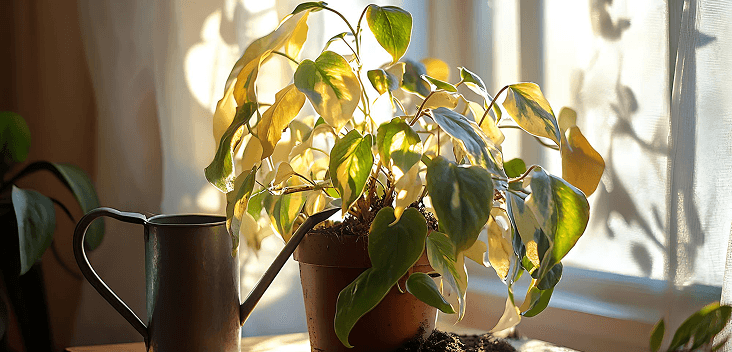
Strong sun can injure the thin spring leaves.

Bleached patches:

Pale, dry-looking areas may appear on leaf surfaces after sudden exposure to open sun.

Scorched tips:

Tips or upper leaf edges can turn tan where afternoon rays strike the plant hardest.

Early fading:

Foliage may lose its fresh green color and collapse sooner than expected in a hot, exposed site.

Flattened leaves:

Leaves may lie down or look limp during bright midday conditions, especially in reflected heat.

Move the plant into filtered light or add shade during the brightest part of the day. Keep future sun exposure limited to cool morning hours, especially after transplanting.

Deep shade can be tolerated, but growth may weaken if spring light is very dim.

  • Longer leaf stalks:

    Leaves may stretch upward on longer stalks as they try to reach brighter filtered light.

  • Leaning growth:

    Clumps can lean toward the brightest opening instead of standing evenly.

  • Small new leaves:

    New leaves may emerge narrower or shorter than expected during active spring growth.

  • Reduced flowering:

    Mature plants may produce fewer flower stalks when stored energy is low from poor light.

  • Weak return:

    A patch may come back thinner the next year if low light persists through several seasons.

Increase exposure by choosing brighter open shade or a site with brief morning sun. Avoid shifting Allium tricoccum straight into hot direct sun.

When ideal woodland shade is not available, choose a site with morning sun and afternoon shade, or use 30–50% shade cloth during spring growth.

Check the site at midday in early spring, then adjust nearby shade or barriers if direct sun hits the leaves for several hours.

An open, south-facing bed is a poor choice because heat and direct afternoon rays can shorten healthy leaf growth.

Get Personalized Care Plan

Scan your plant to receive care tips personalized for your specific plant

FAQ

The best light for ramp is partial shade with filtered spring brightness and a little gentle morning sun. Strong afternoon sun is usually too intense for its thin leaves.

More Plant Light Guides

Get the Botan App

Discover how to care for your plants with Botan.

Botan app identifying a plant with a phone camera
12 Best Plants That Repel Spiders For Your Home and Garden

8 min read · 24 Jul 2026

12 Best Plants That Repel Spiders For Your Home and Garden

Spiders constantly appear in places you don't want them. A few common plants can help repel them using scent alone. Here are 12 options suitable for both indoors and outdoors, plus care tips for each.

Plant Recommendations
12 Best Plants That Repel Spiders For Your Home and Garden
Top 15 Plants That Don’t Need Sunlight

8 min read · 17 Sept 2026

Top 15 Plants That Don’t Need Sunlight

Some plants thrive in dim rooms, shaded corners, and places with indirect light. In this guide, you’ll explore the top 15 species best suited to low-light conditions and how to care for them.

Plant Recommendations
Top 15 Plants That Don’t Need Sunlight
How to Group Plants in Landscaping: A Practical Layout Guide

8 min read · 31 Aug 2026

How to Group Plants in Landscaping: A Practical Layout Guide

Good plant grouping can mean the difference between a well-planned garden and one that looks sloppy. This guide explores layers, spacing, cluster shapes, and the plants that thrive when you group them.

Plant Care
How to Group Plants in Landscaping: A Practical Layout Guide