




5 min read · 11 Sept 2026
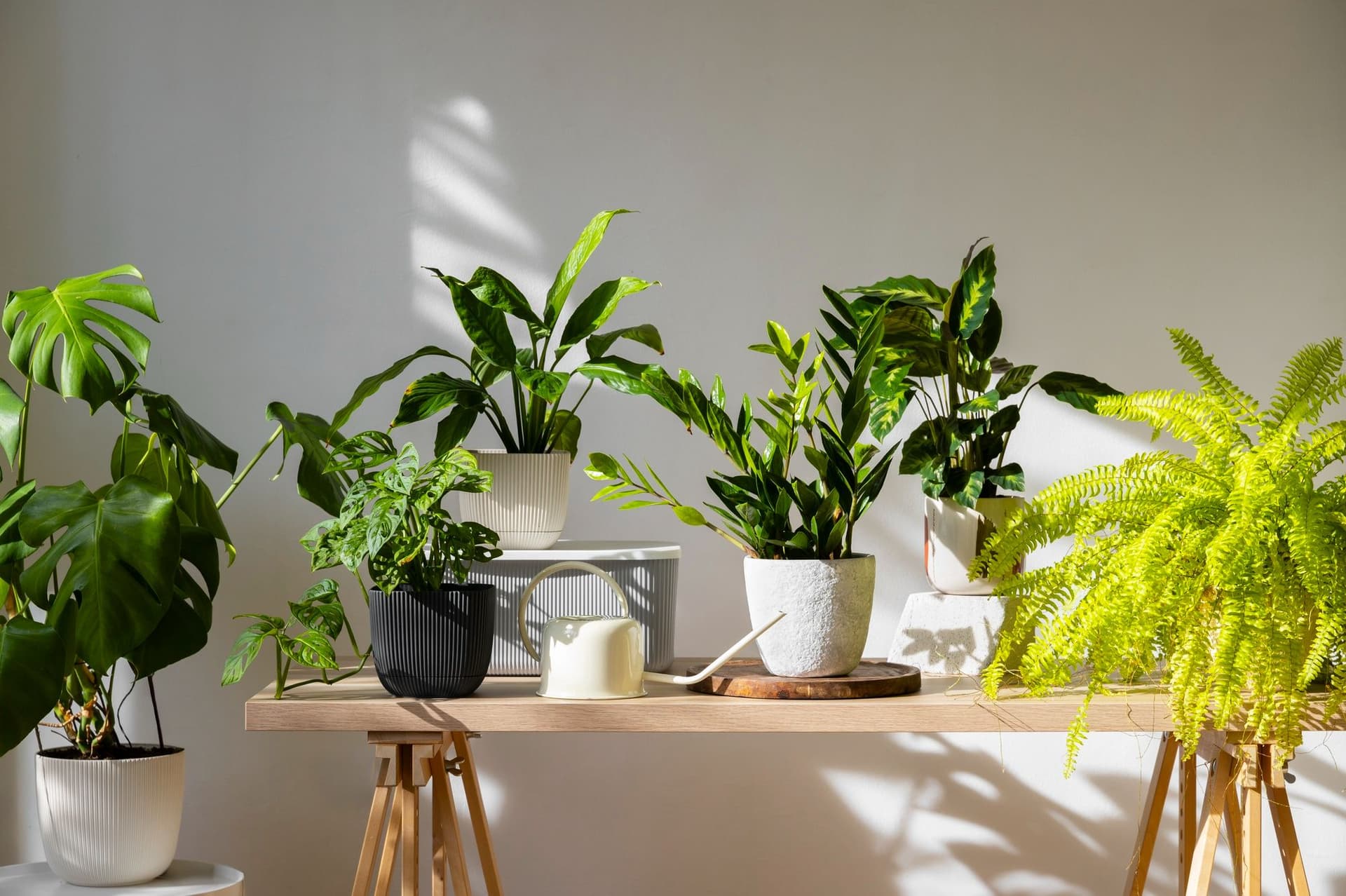
Top 5 Best Indoor Plants for Air Quality
Indoor plants can make a room feel fresher thanks to their air-purifying qualities. Here are 5 of the most suitable choices for your routine and living space.
Plant Recommendations


To recognize ramp, look for a small bulb plant with 2 or 3 broad, smooth leaves rising from the base, each about 8 to 12 inches (20 to 30 cm) long on a distinct lower stalk.
The flowering stem is leafless and carries one rounded cluster of small white flowers above the leaves.
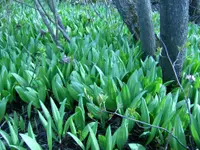
Upload a clear photo to check your plant identification with Botan.
Clear images work best. Avoid photos taken too close or too far away
Check the leaves, stalk, and flower cluster for a quick Allium tricoccum ID.
The plant forms small clumps rather than a woody stem or branching crown.
Allium tricoccum shows clear visual shifts between its leafy, flowering, and fruiting stages.
In spring, ramp appears as two or three smooth, broad leaves that emerge early and stay fresh green for a short time. By late spring to early summer, the leaves yellow and disappear, leaving the plant absent above ground. After the leaves are gone, a leafless stalk becomes the main clue. In early to midsummer, it carries a rounded cluster of small white flowers, followed later by a seed head.
Several woodland plants can be mistaken for ramp before flowering.
lily-of-the-valley(Convallaria majalis)
Both have broad basal leaves. Lily-of-the-valley usually has two leaves joined at one point and lacks the reddish lower stem common in ramp.
false hellebore(Veratrum viride)
Young plants can appear similar from a distance. False hellebore has strongly pleated leaves that wrap a thick central stem, not 2-3 smooth leaves rising separately from the base.
trout lily(Erythronium americanum)
It shares a two-leaf look in spring. Trout lily leaves are narrower and distinctly mottled, with brown-green blotches, unlike the plain green leaves of ramp.
Allium tricoccum is native to eastern North America, from the southern Appalachian Mountains north into the Great Lakes region and parts of southeastern Canada. It is most often found in rich deciduous woodlands, especially moist spring forest floors before the tree canopy fully leafs out. Finding a wild allium in shaded hardwood woods, rather than open fields or wetlands, helps narrow identification.

Identify Your Plant
Scan your plant to get a quick ID
Use Botan to identify or verify the plant in your image, helping avoid mix-ups before you label, buy, or share it.
The strongest clue is the onion-garlic odor released when a leaf is gently crushed, combined with 2 or 3 broad, smooth leaves rising from a reddish to purplish lower stem and white bulb base.
Identify it from a photo with Botan, then get plant details, care information, and safety notes matched to the result.

5 min read · 11 Sept 2026
Indoor plants can make a room feel fresher thanks to their air-purifying qualities. Here are 5 of the most suitable choices for your routine and living space.

6 min read · 15 Sept 2026
Plants can grow under artificial light when the setup provides a suitable spectrum, enough intensity, and sufficient daily exposure. This guide explains how artificial lighting compares with sunlight, which options work indoors, and how to match a setup to houseplants.
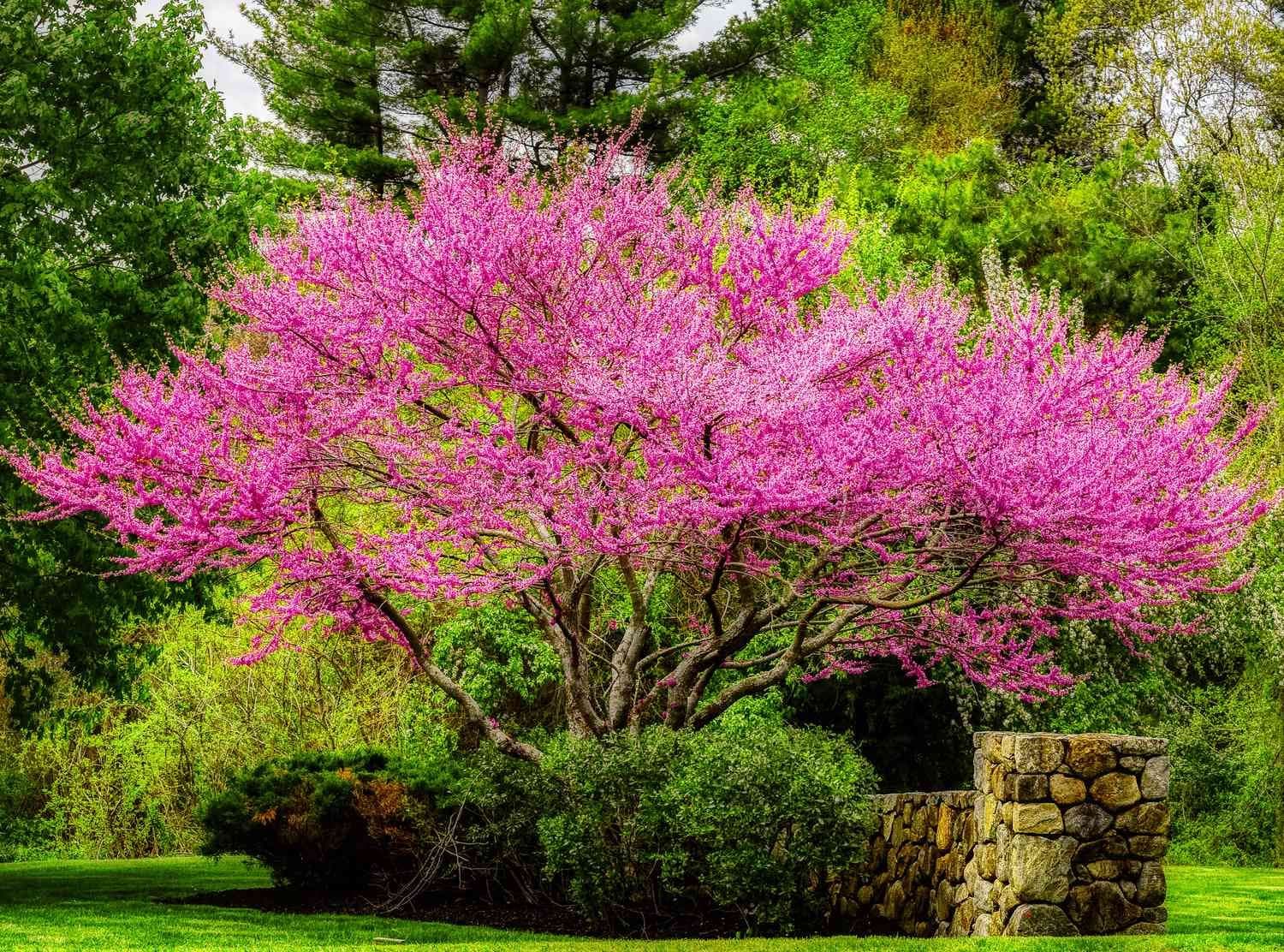
13 min read · 28 Jul 2026
Learn which of the 15 fastest-growing trees will suit your area. We’ll share detailed information on each: growth rate, mature spread, key tree demands, and main vulnerabilities. Read on and make the best choice possible.