



tomato plant Identification (Solanum lycopersicum)

Recognize tomato plant by its soft, vining or sprawling stems, alternate compound leaves with deep lobes, and small yellow five-pointed flowers borne in clusters.

Most plants stay under 6 feet (1.8 m) unless supported. Leaves are irregularly divided into smaller leaflets, and the stems are green, flexible, and noticeably hairy.

Solanum lycopersicum Identification

Scan to Confirm tomato plant

Take or upload a photo to confirm your plant ID with Botan.

Clear images work best. Avoid photos taken too close or too far away

Check the overall shape and flower-fruit details of Solanum lycopersicum.

  • An upright, branching herb with soft green stems, often sprawling or needing support.
  • Leaves are alternate, unevenly divided, and usually 4 to 10 inches (10 to 25 cm) long.
  • Leaflets and lobes have irregular edges, giving each leaf a coarse, feathery outline.
  • Flowers are yellow, star-shaped, and typically have 5 pointed petals.
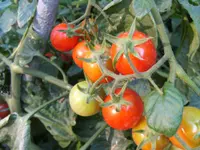
  • Fruits are smooth, round to slightly flattened berries that develop on short hanging clusters.

Look for the combination of lobed leaves, yellow five-pointed flowers, and fleshy berries.

Solanum lycopersicum shows clear visual changes from seedling leaves to flowers and fruits.

  • Seedling: Seedlings first show two narrow seed leaves, then small true leaves with shallow lobing and fine hairs on soft, green stems.
  • Young plant: Young plants become bushier or vining, with larger compound leaves, stronger lobing, and thicker hairy stems, often reaching 12-24 inches (30-60 cm).
  • Flowering stage: Flowering stems carry small yellow, star-shaped flowers in clusters; the pointed green sepals remain obvious behind each flower and later around developing fruit.
  • Fruiting stage: Fruiting plants are easy to confirm by smooth green berries that enlarge and ripen to red, yellow, or orange, hanging singly or in clusters.

Several tomato plant cultivars are easy to separate by fruit shape, color, and plant habit.

  • 'Roma': Produces elongated, egg-shaped red fruits, usually about 2-3 inches (5-8 cm) long, rather than the typical round tomato.
  • 'Beefsteak': Bears very large, flattened round fruits, often 4-6 inches (10-15 cm) wide, on tall, vigorous vines.
  • 'Yellow Pear': Has small pear-shaped yellow fruits, usually about 1-2 inches (2.5-5 cm) long, instead of round red fruits.
  • 'Tiny Tim': Forms a dwarf, bushy plant often under 18 inches (46 cm) tall, much shorter and denser than standard indeterminate types.

From summer into fall, tomato plant becomes easier to recognize as yellow star-shaped flowers give way to enlarging green fruit, then red, orange, or other ripe fruit depending on the variety. After frost or at the end of the growing season, foliage collapses and the plant usually dies back, leaving bare, drying stems and any remaining fruit visible for a short time.

A few nightshades can be mistaken for a tomato plant at a glance.

black nightshade(Solanum nigrum)

Similar because both have soft green stems, lobed leaves, and small white star-shaped flowers. Black nightshade stays smaller, usually under 3 feet (0.9 m), and carries tiny berries in clusters that ripen black, not large fleshy tomatoes.

hairy nightshade(Solanum physalifolium)

It can resemble young tomato plants through its fuzzy stems and somewhat toothed leaves. The clearest check is the fruit: hairy nightshade makes small berries wrapped by an enlarged papery calyx, while tomato fruits are exposed and much larger.

  • Non-fruit parts: Leaves, stems, and unripe green fruit contain glycoalkaloids. This is mainly an ingestion concern for humans and pets.
  • Pet risk: Tomato plants and green fruit are considered toxic to dogs and cats if eaten. The ripe red fruit is not the concern here; the foliage and unripe parts are.

Not Sure About the ID?

Use Botan to compare a photo and help identify or confirm the plant before you label it or look up care.

FAQ

Flowers are borne in small branching clusters from the leaf axils, often with several blooms opening along one stalk. Each flower is usually yellow, star-shaped, and about 1 inch (2.5 cm) across, useful for tomato plant identification.

More Plant Identification Guides

Identify It. Learn More About It.

Snap a photo with Botan to identify the plant, then review plant details, care information, and common problems.

Botan app identifying a plant from a photo
Best Bedroom Plants – Top 10 to Grow in Your Space

8 min read · 8 Jul 2026

Best Bedroom Plants – Top 10 to Grow in Your Space

Discover the top 10 houseplants that are suitable for growing in your bedroom. Compare their light and water needs, pet safety, and benefits. Find out where best to place greenery in your relaxation space and what species to avoid.

Plant Recommendations
Best Bedroom Plants – Top 10 to Grow in Your Space
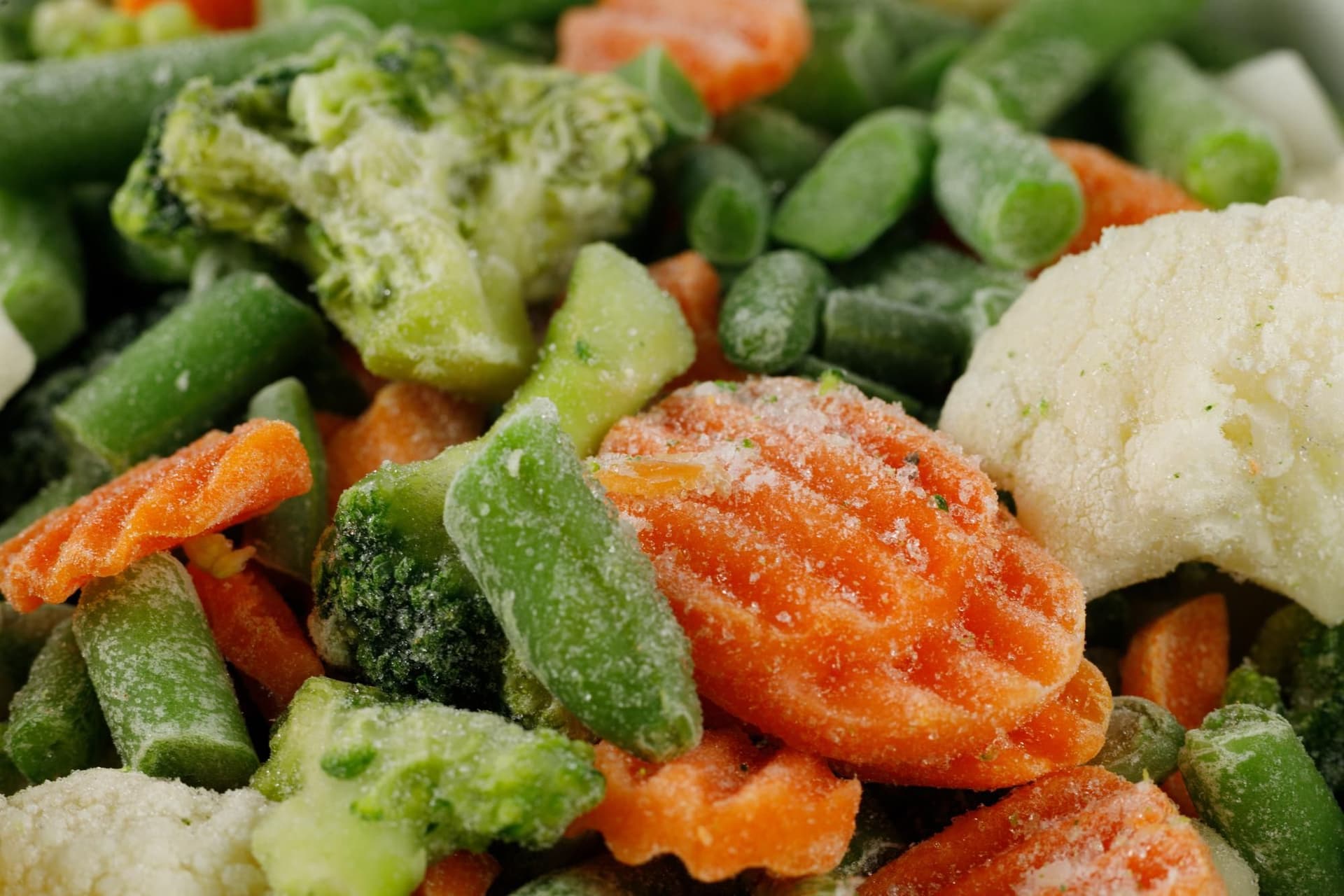
Frozen vs Fresh Vegetable Nutrients: Which Option Is Healthier?

6 min read · 8 Sept 2026

Frozen vs Fresh Vegetable Nutrients: Which Option Is Healthier?

Frozen and fresh vegetables are nutritionally comparable: frozen produce often retains vitamins just as well as fresh and may sometimes contain more. Here’s how blanching and storage affect nutrients—and when to choose each.

Plant Recommendations
Frozen vs Fresh Vegetable Nutrients: Which Option Is Healthier?
Top 15 Fast-Growing Trees For Your Garden

13 min read · 28 Jul 2026

Top 15 Fast-Growing Trees For Your Garden

Learn which of the 15 fastest-growing trees will suit your area. We’ll share detailed information on each: growth rate, mature spread, key tree demands, and main vulnerabilities. Read on and make the best choice possible.

Plant Recommendations
Top 15 Fast-Growing Trees For Your Garden