
oyster mushroom Identification (Pleurotus ostreatus)

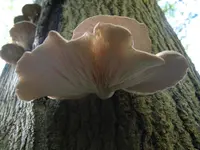
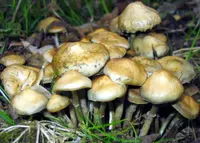
To recognize oyster mushroom, look first for shell-shaped caps about 2-8 inches (5-20 cm) across, packed in overlapping clusters, with little to no central stem.

The gills are a key check: they run down the short side stem or stemless base, rather than stopping at the cap edge.

Pleurotus ostreatus Identification

Check Your Plant with Botan

Upload a clear photo to check your plant identification with Botan.

Clear images work best. Avoid photos taken too close or too far away

Check the cap shape, gills, and growth pattern first.

  • Caps are shell- or fan-shaped, often with one side wider, usually 2-12 inches (5-30 cm) across.
  • Several caps commonly overlap in shelf-like clusters rather than standing alone.
  • Gills are white to pale cream and run down the short, off-center stem, or nearly to the attachment point if no stem is visible.
  • The stem, when present, is stout, very short, and attached to one side of the cap instead of the center.

A smooth cap surface and pale spore-bearing underside support the identification.

Pleurotus ostreatus shows clear visual shifts from early pins to layered mature fruiting clusters.

  • Young plant: Early growth appears as small pin-like knots that quickly form tiny shell-shaped caps; gills are not yet strongly exposed, and stems look short and thick.
  • Mature plant: Expanded clusters show overlapping fan-shaped caps, often 2-8 inches (5-20 cm) across, with crowded white to pale lilac gills running down off-center stems.
  • Fruiting stage: At full fruiting, caps flatten or become shallowly depressed, margins lose their inward roll, and the cluster forms a shelf-like layered mass rather than separate buttons.

Pleurotus ostreatus is most often noticed from fall into winter, when fresh shelf-like clusters appear on wood. At that time, the caps look smooth and moist in wet weather, usually gray to tan, with pale gills visible underneath. In cold spells, older clusters may darken, dry, or persist as tougher remnants. That seasonal flush of fresh fruiting bodies is the main visible clue, rather than a year-round look.

A few shelf-like fungi can be mistaken for oyster mushroom at a glance.

elm oyster(Hypsizygus ulmarius)

Similar pale caps and crowded gills. It usually grows on standing trunks, often has a more central stem, and its gills do not run far down the stem.

angel wings(Pleurocybella porrigens)

Also white, fan-shaped, and wood-growing. It is thinner and more delicate, usually pure white, with very narrow flesh and no stout stem base.

mock oyster(Phyllotopsis nidulans)

Young clusters can resemble oysters in shape. Caps are orange to tan and fuzzy, and the gills are orange rather than white to cream.

Pleurotus ostreatus is native across temperate and subtropical parts of the Northern Hemisphere, including Europe, Asia, and North America. It is most often found in deciduous woodland, especially on dead or dying hardwood trunks and large fallen logs. Habitat is useful for identification because this species typically fruits in shelf-like clusters directly from wood, rather than from soil. Finding it on hardwood in forests, parks, or wooded stream corridors helps narrow the ID.

  • Hazardous misidentification: Wrong identification is the main safety issue for humans. Pleurotus ostreatus can be confused with toxic jack-o'-lantern mushrooms, Omphalotus illudens. Jack-o'-lanterns usually have true gills that are bright orange and run down the stem, while Pleurotus ostreatus is typically white to gray-brown and grows with a short off-center stem or none.

Does Your Plant Match?

Use Botan to compare a photo and help confirm the identification before you label it or look up the right information.

FAQ

The clearest feature is the decurrent gills. They run down the short off-center stem or directly onto the wood. Caps are shell-like to fan-shaped and usually grow in overlapping clusters, which helps in oyster mushroom identification.

More Plant Identification Guides

Find Out What Plant It Is

Identify it from a photo with Botan, then get plant details, care information, and common problems for that species.

Botan app identifying a plant from a photo
How to Tell if a Plant Is Dead

6 min read · 19 Aug 2026

How to Tell if a Plant Is Dead

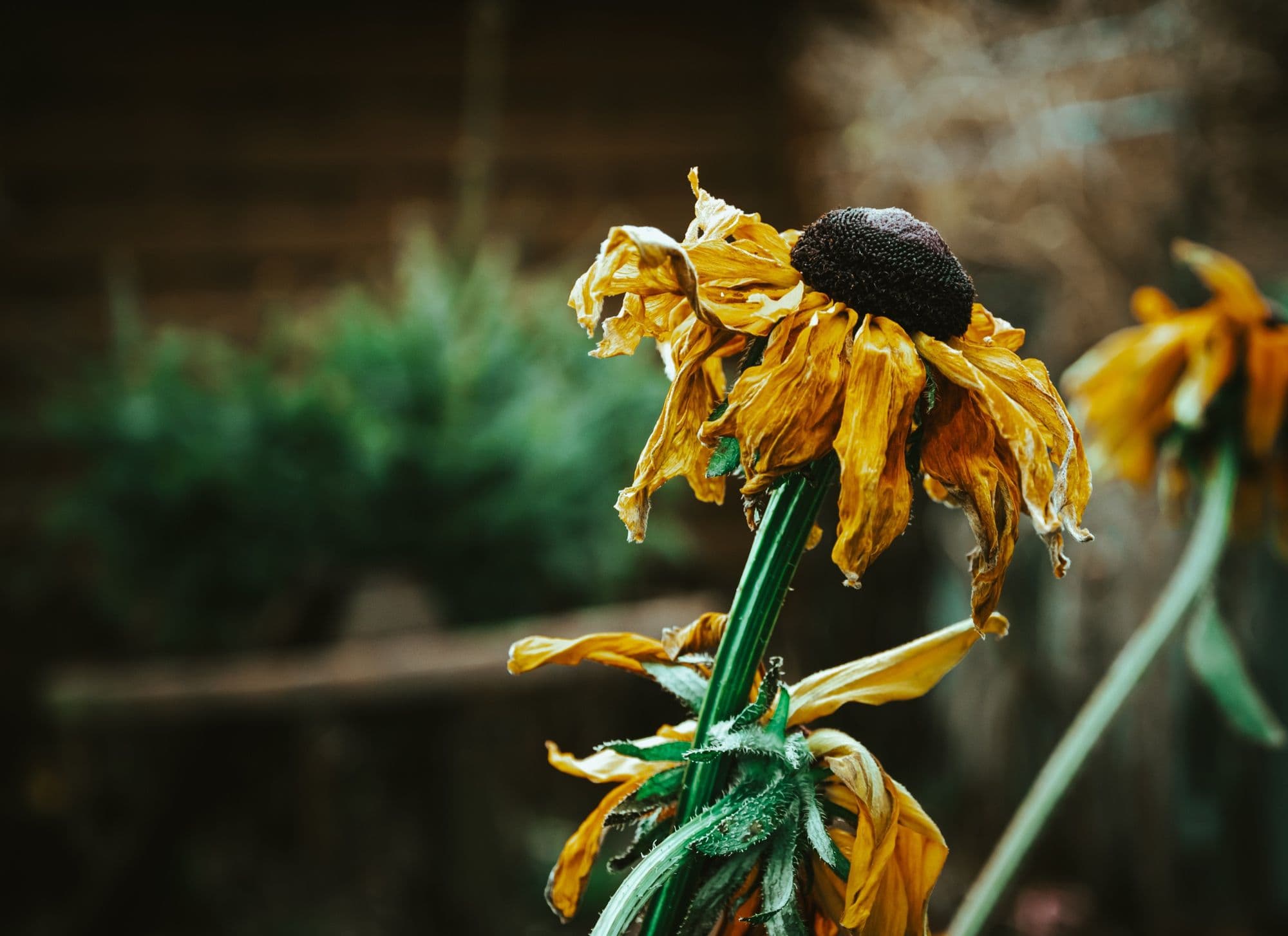
A plant can lose its leaves, stop growing, or collapse and still remain alive. A closer look at the stems, roots, bulbs, and tubers can show whether the plant still has a chance to recover.

Beginner Guides

How to Tell if a Plant Is Dead
Best Time to Water Grass in Summer – Lawn Watering Tips

5 min read · 21 Jul 2026

Best Time to Water Grass in Summer – Lawn Watering Tips

Summer watering is easy to get wrong. This guide explains when to turn on your sprinkler, how much liquid your grass needs each week, and how to tell if you're overwatering or underwatering.

Plant Care
Best Time to Water Grass in Summer – Lawn Watering Tips
How To Revive a Dying Plant: 6 Steps To Bring A Plant Back To Life

6 min read · 1 Sept 2026

How To Revive a Dying Plant: 6 Steps To Bring A Plant Back To Life

Drooping leaves and brown tips don't always mean the end, and a weakened plant can often recover with a little help. These six simple steps will help you revive a dying plant and restore its health.

Plant Care
How To Revive a Dying Plant: 6 Steps To Bring A Plant Back To Life