oyster mushroom Care (Pleurotus ostreatus)

oyster mushroom

About oyster mushroom

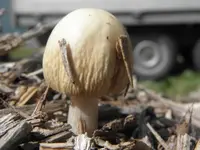
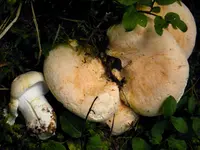
The oyster mushroom, Pleurotus ostreatus, is a fast-growing wood-decay fungus, not a leafy plant. It forms layered, shell-like caps that resemble oysters on tree trunks or on prepared substrates. Colors range from pale gray to soft brown, with white gills running down a short, often off-center stem.

In nature it occurs on dead or dying hardwoods in temperate forests, helping break down wood. It is considered relatively easy to cultivate because it grows quickly, accepts various sterile substrates, and competes well with many other fungi. To care for oyster mushroom successfully, maintain steady moisture, fresh air exchange, and cool to mild temperatures.

Main Plant Requirements

Care Difficulty

Moderate Care

Light Preference

Partial Shade

Water Requirements

Keep Soil Moist

Temperature Preference

Cool Climate

Hardiness Zone

Unknown

Soil Texture

Organic-rich, Peaty, Loamy

Soil pH

Acidic (5.5–6.5), Slightly acidic (6.5–7.0)

Soil Drainage

Moist but well-drained

Fertilization

Minimal (feed rarely)

Get Personalized Care Plan

Scan your plant to receive care tips personalized for your specific plant

Available on iOS and Android

How to Care for the oyster mushroom

This fungus needs bright but gentle light that mimics a shaded forest edge.

  • Aim for 2–4 hours of soft morning sun with bright shade or filtered light the rest of the day, avoiding harsh midday sun on bags or logs.
  • Outdoors, place oyster mushroom beds under dappled tree shade or on the north or east side of a structure to prevent drying and overheating.
  • In low-light seasons, use diffuse LED or fluorescent light for 8–12 hours/day, keeping the surface from feeling hot to the touch.

Moisture management focuses on keeping the substrate evenly damp, never soaked or crust-dry.

  • Before watering, check 2–3 cm below the surface; it should feel cool and moist but not dripping when squeezed lightly by hand.
  • Mist or gently hose once the top starts to lighten in color or feel slightly dry, adjusting frequency upward in hot, windy weather and downward in cool, humid periods.
  • Watch for sour smell, standing water, or slimy patches as signs of overwatering, and for shrinking, tough caps or cracked edges as signs of dryness.

Temperature strongly controls both growth speed and quality of the fruiting bodies.

  • Maintain 55–68°F (13–20°C) for reliable fruiting; some strains of Pleurotus ostreatus still form mushrooms up to about 75°F (24°C) but with softer texture.
  • Avoid temperatures below 32°F (0°C), since hard frost damages mycelium near the surface and can stop future flushes even if deeper layers survive.
  • In warm seasons, provide shade and airflow to keep logs or bags cooler than ambient air, and in cool seasons protect from freezing winds and rapid temperature swings.

This fungus needs very high humidity for consistent fruiting and healthy caps.

  • Maintain 85–95% relative humidity from pinning to harvest; 80–90% is usually adequate for colonization.
  • Tissue dries, cracks, and edges curl upward when air is too dry, and pins stall or abort.
  • Use a humidifier, frequent fine misting away from caps, or a plastic tent with vents to keep humidity high without stagnation.

Pleurotus ostreatus does not grow in soil and instead needs a clean, moist, oxygenated substrate.

  • Use pasteurized or sterilized substrates such as straw, hardwood sawdust, coffee grounds, or a sawdust–bran mix with loose, crumbly structure.
  • Ensure the substrate drains freely but stays evenly moist; it must never sit in pooled water or become waterlogged.
  • Keep substrate slightly acidic to neutral (pH 5.5–7.5) by using hardwood-based materials and avoiding alkaline additives like large amounts of lime.
  • Improve aeration by packing substrate firmly enough to hold shape but not so tight that fresh air cannot move through the container or bag.

This species is well suited to container or bag cultivation when moisture and air exchange are controlled carefully.

  • Use tall buckets, tubs, or grow bags that allow at least 10–20 cm of substrate depth for strong mycelial colonization.
  • Drill or cut small side holes or slits so clusters can form outside the container while the block inside stays protected and moist.
  • Choose rigid containers or thick grow bags that keep a fully colonized block stable and upright as heavy fruiting clusters develop.

Pleurotus ostreatus grown on prepared substrates usually needs minimal additional fertilizer if the base mix is well balanced.

  • Use a nutrient-rich substrate such as pasteurized straw, sawdust, or a commercial mushroom block rather than adding balanced NPK afterward.
  • If supplementation is needed, mix in a small amount of compost or grain-based nutrient at spawning, following product rates closely.
  • Avoid top-dressing or liquid feeds during the flush; excess nutrients can invite contamination and reduce mushroom quality.
  • Do not add fertilizer in a resting or spent block; instead replace the substrate for continued production.

Pleurotus ostreatus does not require conventional pruning, but harvest management keeps the culture productive and clean.

  • Harvest entire clusters at the base with a clean, sharp knife when caps are broad but edges still slightly rolled.
  • Remove leftover stem bases and any dead or water-soaked tissue from the block to reduce mold and bacterial growth.
  • Cut away obviously contaminated or heavily discolored areas of substrate and discard them to protect the remaining mycelium.
  • Avoid tearing mushrooms off by hand, which can damage the growing surface and reduce future flushes.

This fungus is not repotted like a houseplant; instead, it is moved or re-made as fresh substrate blocks or beds.

  • Replace or remake the substrate when flushes decline, contamination spreads, or the block dries and no longer rehydrates well.
  • Plan new indoor blocks or outdoor beds in spring or fall when temperatures favor mycelium growth for growing oyster mushroom.
  • Prepare new containers or beds with fresh pasteurized substrate, then introduce grain spawn evenly to avoid crowded, weak patches.
  • Handle colonized blocks gently, keeping them shaded and evenly moist during transfer to reduce mycelium stress and drying.

New cultures of Pleurotus ostreatus are usually started from spawn rather than from traditional plant propagation methods.

  • Use commercial grain or sawdust spawn and mix it thoroughly into a pasteurized substrate such as straw, sawdust, or coffee grounds.
  • Start new blocks when ambient temperatures are around 60–75°F to support rapid colonization and reduce contamination risk.
  • Keep colonizing bags or containers in a dark or dim, well-ventilated area with high humidity until the substrate turns fully white.
  • For advanced work, tissue culture from a fresh mushroom on sterile agar can maintain a preferred strain, but requires lab-like hygiene.

Outdoor cultures of Pleurotus ostreatus may slow or pause in winter, but the mycelium often survives mild cold with basic protection.

  • In cold regions, place outdoor beds in a sheltered spot and add a 5–10 cm straw or leaf mulch over the substrate.
  • Keep colonized blocks above freezing, ideally 40–55°F, by moving them into an unheated garage, shed, or protected porch.
  • Maintain slight moisture in winter but avoid waterlogging, which increases the risk of rot in cool, stagnant conditions.

Care Tips

Clean handling tools

Disinfect knives, scalpels, and harvest tools with 70% isopropyl alcohol before each use to reduce contamination risk in the fruiting area.

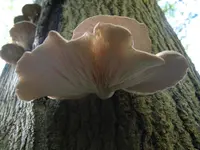
Side-fruiting orientation

Cut small X-shaped slits in grow bags or blocks and position them on their sides or slightly tilted so clusters can form cleanly and stay well aerated for better cap development.

Staggered harvest cycles

Prepare or purchase multiple colonized blocks and start them 5–7 days apart to maintain a steady harvest instead of one large flush followed by a long gap.

Targeted fresh air flow

Use a small fan set on low, pointed away from blocks, to gently move air across the room and prevent CO₂ buildup that causes long stems and small caps when growing oyster mushroom.

Moisture-retentive tent

Place fruiting blocks inside a simple plastic greenhouse shelf or clear storage tent with a few ventilation holes to keep humidity stable while still allowing gas exchange.

Common Pests and Diseases

Green mold

This disease is caused mainly by Trichoderma species that aggressively colonize the substrate or fruiting blocks. Symptoms include fast‑spreading green patches on the surface of the substrate and suppression or deformation of oyster mushroom clusters.

Solution

Remove and discard heavily contaminated blocks or trays, as Trichoderma spreads via spores and is difficult to eradicate in place. Improve hygiene, pasteurization or sterilization of substrate, and airflow; avoid over‑wet conditions, and separate any suspect blocks from healthy ones to protect ongoing growing oyster mushroom projects.

Bacterial blotch

This disease is linked to several Pseudomonas bacteria that thrive in standing water on caps. Symptoms include yellow to brown greasy spots on the mushroom surface, often starting where water droplets sit for long periods.

Solution

Reduce overhead misting, avoid water sitting on caps, and increase air movement so surfaces dry within 2–3 hours after watering. Remove and discard badly spotted mushrooms and clean surfaces, tools, and humidifiers with a suitable disinfectant to lower bacterial load in the grow area.

Mushroom flies

These insects, often sciarid or phorid flies, lay eggs in the substrate and developing mushrooms. This pest causes tunneling, soft spots, and contamination from larvae, and adults spread spores and bacteria through the grow room.

Solution

Install fine insect screens and sticky traps, and keep doors and vents sealed to prevent entry. Remove infested blocks promptly, clean up spilled substrate, and use biological controls such as Bacillus thuringiensis israelensis or nematodes where permitted to target larvae in the substrate.

Mushroom mites

These pests are tiny arachnids that feed on mycelium and developing primordia. Symptoms include slow or uneven colonization, small or misshapen clusters, and fine dust‑like movement on the substrate surface when inspected closely.

Solution

Discard severely infested blocks, then thoroughly clean and dry the growing room between cycles. Reduce organic debris, filter incoming air where possible, and if needed use approved biological or least‑toxic miticides in empty rooms before starting a new Pleurotus ostreatus care cycle.

Cobweb disease

This disease is caused by Cladobotryum species that produce fast‑growing, grayish to white web‑like fungal growth over casing or substrate. Symptoms include a thin cottony layer that quickly thickens, sometimes covering pins and young fruiting bodies, which then rot.

Solution

At early signs, spot‑treat affected patches with a light spray of 3–4% food‑grade hydrogen peroxide and increase fresh air exchange to reduce humidity peaks. Remove and bag heavily infected blocks, then clean surfaces, adjust humidity control, and avoid splashing water that can help spread spores between blocks.

Interesting Facts

Wood-decaying specialist

This species is a white-rot fungus that breaks down lignin in hardwoods, helping recycle tough woody material back into the forest nutrient cycle.

Efficient nematode hunter

Its mycelium produces tiny toxin droplets that can paralyze and kill soil nematodes, allowing the fungus to access extra nitrogen from their bodies.

Cold-season fruiting

In many temperate regions it commonly fruits in cool weather, often in late fall to early winter, when many other mushroom species have already disappeared.

Botan icon

Did you know?

This species is widely used in environmental biotechnology because its lignin-degrading enzymes can also break down some industrial pollutants, including certain dyes and aromatic compounds, making it a model organism for mycoremediation research.

FAQs about oyster mushroom

From a fully colonized substrate, pins typically appear in 5–10 days, then reach harvest size in about 3–7 days. Cooler temperatures and low humidity slow development, while fresh, pasteurized substrate and good air exchange speed growth when you grow Pleurotus ostreatus.

Grow Healthy Plants with Botan Care

Keep your plants happy and healthy with plant identification, disease detection, and easy care guidance.

Botan plant care app — identify plants on mobile

Explore More Plants