




Best Soil for Curry plant (Helichrysum italicum)

Helichrysum italicum grows best in gritty, fast-draining soil with a balanced pH that supports healthy roots and steady growth.

Soil Texture

Sandy, Loamy, Rocky

Soil pH

Slightly acidic (6.5–7.0), Slightly alkaline (7.0–7.5)

Soil Drainage

Well-drained

Helichrysum italicum Soil Guide

Native to the Mediterranean region, Helichrysum italicum grows in dry, sunny places with sandy, rocky, or light loamy ground. That background explains its need for soil that drains quickly and stays airy rather than dense or moisture-holding.

The best soil for Curry plant is lean and mineral-rich, with enough structure to anchor the roots but plenty of pore space around them. Its root system performs best where water moves through fast, oxygen remains available, and the soil sits slightly acidic to slightly alkaline instead of strongly sour.

A simple homemade mix can give Helichrysum italicum the drainage and root-zone airflow it needs in containers.

100% total mix = 20 scoops
10%
small gravel or crushed lava rock2 scoops
20%
coarse sand or grit4 scoops
30%
pumice or perlite6 scoops
40%
coarse potting soil8 scoops

The finished mix should feel loose, gritty, and quick to drain, with very little tendency to stay dense or soggy.

This species often struggles more with staying too wet than with slightly lean soil. Check the root zone first when growth seems off.

Compacted soil:

Dense soil that dries slowly can limit airflow around roots; gently loosen the surface and consider replacing the mix with a more open one.

Staying wet too long:

If the container remains heavy and damp for days, excess moisture may be building up; pause watering and check whether drainage is working freely.

Crusted surface:

A hard top layer can reduce even moisture movement and air exchange; lightly break it up and remove any packed debris sitting on the soil.

Salt buildup:

White or pale crusts may point to mineral residue from water or old inputs; scrape off the buildup and flush the soil thoroughly if drainage is good.

Better Soil Starts Here

Botan helps match this plant to a more suitable soil setup based on its growth habit, container conditions, and care pattern.

FAQ

Yes. Drainage holes are important because this species dislikes trapped moisture around the roots. A pot without them keeps the lower mix wetter for longer, which can undermine the best soil for Curry plant.

Everything About Curry plant

More Plant Soil Guides

Could It Be the Soil?

A photo-based check in Botan can help show whether soil conditions may be part of the problem and what to review next.

Botan app helping with soil and plant care
Plants That Repel Bugs – 20 Effective Options

12 min read · 16 Jul 2026

Plants That Repel Bugs – 20 Effective Options

Mosquitoes on the patio? Gnats in the kitchen? Some plants keep them away with the scent of their own leaves. Here are 20 that deal with mosquitoes, flies, aphids, and more, plus where to put them so they help.

Plant Recommendations
Plants That Repel Bugs – 20 Effective Options
How to Tell if a Plant Is Dead

6 min read · 19 Aug 2026

How to Tell if a Plant Is Dead

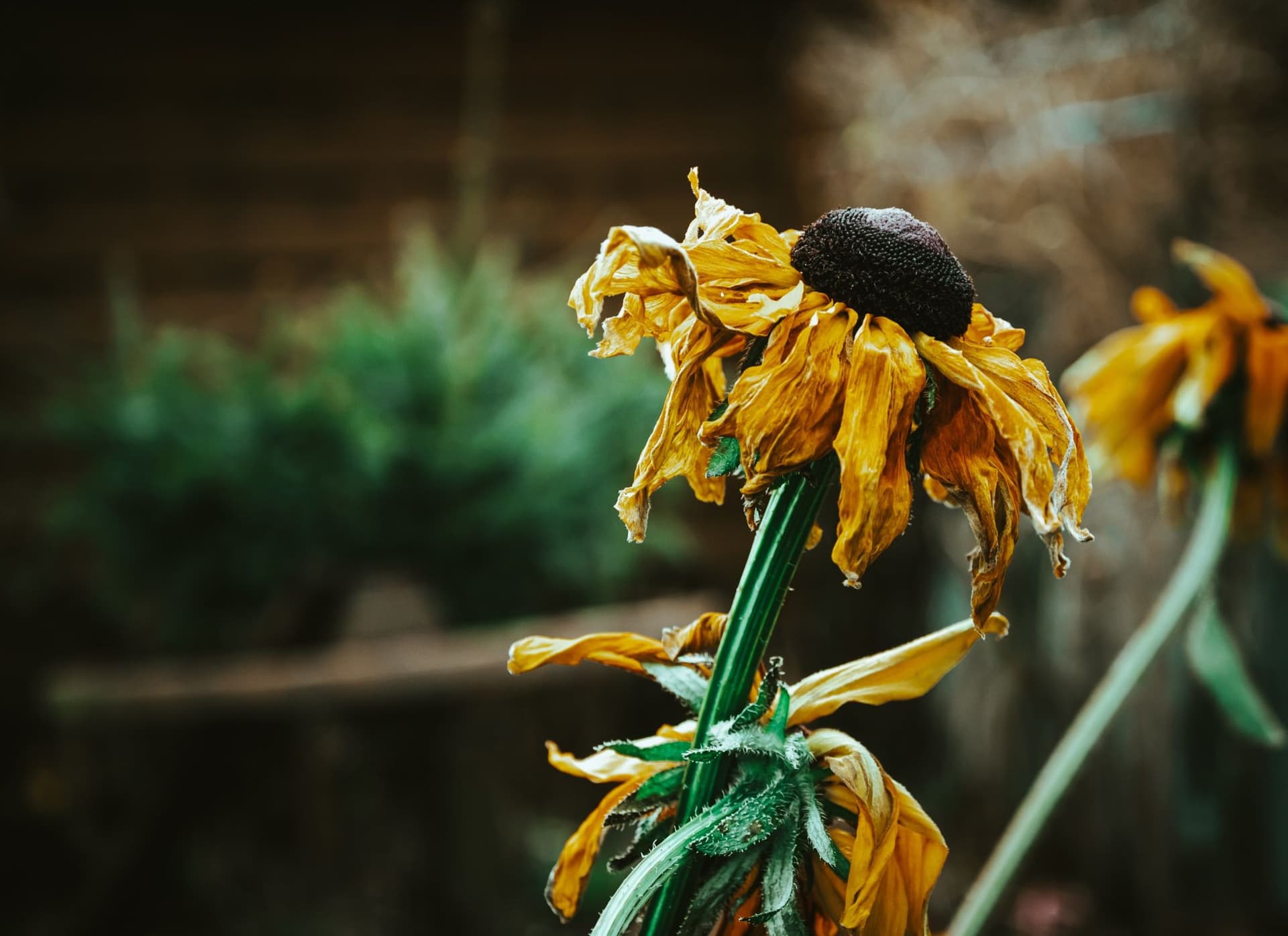
A plant can lose its leaves, stop growing, or collapse and still remain alive. A closer look at the stems, roots, bulbs, and tubers can show whether the plant still has a chance to recover.

Beginner Guides
How to Tell if a Plant Is Dead
Plants That Repel Mosquitoes – 10 Effective Choices

8 min read · 6 Jul 2026

Plants That Repel Mosquitoes – 10 Effective Choices

Plants that repel mosquitoes can help mask human scent naturally and make outdoor spaces more comfortable. Explore the most effective options, their benefits and drawbacks, and choose the right plant for your space.

Plant Recommendations
Plants That Repel Mosquitoes – 10 Effective Choices