Best Soil for coco (Lecythis ampla)

Lecythis ampla grows best in a loose, moisture-retentive soil that drains well enough to support healthy, oxygen-rich root growth.

Soil Texture

Loamy, Sandy, Organic-rich

Soil pH

Acidic (5.5–6.5), Slightly acidic (6.5–7.0)

Soil Drainage

Moist but well-drained

Lecythis ampla Soil Guide

Native to tropical Central America, Lecythis ampla grows in warm, humid forest conditions where soil stays evenly moist but still drains freely. That background points to the best soil for coco: loose, loamy to sandy ground with plenty of organic matter, so roots get both moisture and air.

A substrate with some natural richness helps hold steady moisture without becoming dense. Good aeration matters because this tree’s roots perform best in soil that breathes, while slightly acidic to near-neutral conditions support balanced uptake from organic-rich coco soil.


A simple custom mix helps control texture and drainage more precisely than standard bagged soil alone for Lecythis ampla.

100% total mix = 20 scoops
15%
compost or coco coir3 scoops
20%
perlite or pumice4 scoops
25%
pine bark fines or orchid bark5 scoops
40%
high-quality potting soil8 scoops

The finished blend should feel springy, crumbly, and lightly airy, with enough body to stay evenly damp while excess water moves through without pooling.

A slightly acidic to mildly acidic range around 5.5–7.0 suits coco well. Within that window, key nutrients stay more available and roots can absorb them more efficiently.

If pH drifts too far above or below that range, some nutrients can become harder for Lecythis ampla to take up even when they are present in the soil.

Watch for changes in how the mix behaves over time, not just how the surface looks. Lecythis ampla may struggle when root-zone air and moisture fall out of balance.

Sour or swampy smell:

A stale odor often means the root zone is staying too wet and low in oxygen, so let the mix dry slightly and check that excess water can exit freely.

Soil shrinking from the pot edge:

This usually means the mix has become very dry and hard to re-wet, so moisten it gradually and work water through the root ball evenly.

Surface crusting:

A hard top layer can signal compacted particles or mineral buildup, so gently loosen the surface and replace the top portion with fresher material if needed.

Water rushing straight through:

If moisture runs through without soaking in, the mix may be unevenly dry or degraded, so rehydrate slowly and assess whether the structure is still usable.

Get the Soil Right

Botan helps match this plant to a soil setup that fits its root needs, container conditions, and growing environment.

FAQ

Yes. Drainage holes help excess water leave the container, which protects root-zone oxygen levels and supports a more stable coco soil mix over time.

More Plant Soil Guides

Check Your Soil Choice

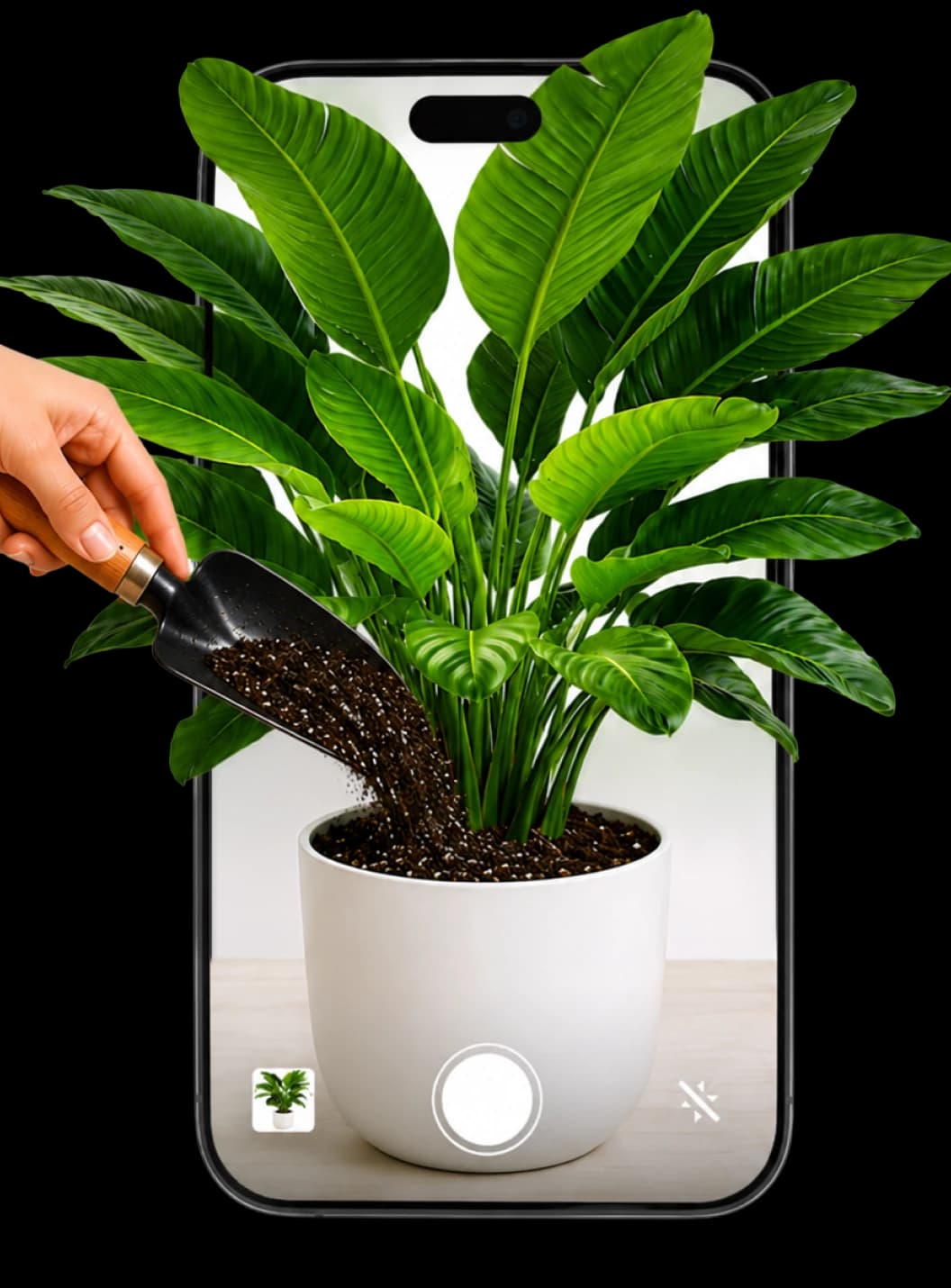
If a plant looks off, soil may be one factor worth checking. Botan’s photo-based assessment can help you narrow down likely causes.

Botan app helping with soil and plant care
10 Easy Garden Flowers to Grow

8 min read · 10 Sept 2026

10 Easy Garden Flowers to Grow

Discover 10 garden flowers that require minimal care. Learn which characteristics make plants easy to grow and follow tips on how to create a beautiful corner from beginner-friendly blooms on your property.

Beginner Guides
10 Easy Garden Flowers to Grow
How to Water Houseplants: Watering Guide

7 min read · 24 Aug 2026

How to Water Houseplants: Watering Guide

Learn how often to water indoor plants, key factors for proper watering, and how to adjust the care routine by plant type, season, pot size, light, and indoor conditions.

Plant Care
How to Water Houseplants: Watering Guide
How to Group Plants in Landscaping: A Practical Layout Guide

8 min read · 31 Aug 2026

How to Group Plants in Landscaping: A Practical Layout Guide

Good plant grouping can mean the difference between a well-planned garden and one that looks sloppy. This guide explores layers, spacing, cluster shapes, and the plants that thrive when you group them.

Plant Care
How to Group Plants in Landscaping: A Practical Layout Guide