



Best Soil for cashew (Anacardium occidentale)

Anacardium occidentale grows best in loose, fast-draining soil with a slightly acidic to near-neutral reaction that supports healthy root development.

Soil Texture

Sandy, Loamy, Organic-rich

Soil pH

Acidic (5.5–6.5), Slightly acidic (6.5–7.0)

Soil Drainage

Well-drained

Anacardium occidentale Soil Guide

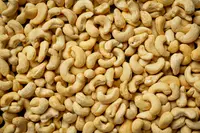
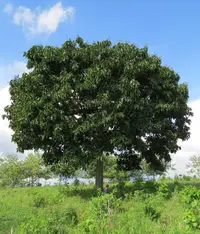
Native to tropical regions of northeastern Brazil, Anacardium occidentale grows in warm, open sites where soil drains quickly after rain. That background explains why the best soil for cashew is loose, well-aerated, and never heavy or compacted.

A sandy or loamy texture with some organic matter suits its root system because it balances air, moisture, and stability. Cashew soil should hold a little moisture between waterings, but excess water needs to move through easily so the roots can spread into oxygen-rich ground.

A homemade mix gives better control over texture and airflow for Anacardium occidentale. Aim for a blend that stays lightly moist but never dense.

100% total mix = 20 scoops
10%
perlite or pumice2 scoops
20%
composted bark or coconut coir4 scoops
30%
loam-based potting soil6 scoops
40%
coarse sand8 scoops

The finished blend should feel gritty, loose, and slightly springy, with water moving through promptly while a little moisture remains around the roots.

A good target is 5.5–7.0 pH, with slightly acidic soil generally preferred. In that range, key nutrients stay more available and are easier for roots to absorb without unnecessary strain.

If the pH drifts too far outside that range, cashew may have a harder time taking up iron, manganese, and other nutrients even when they are present in the soil.

Soil issues often develop gradually, so small changes are worth checking early. Anacardium occidentale is especially less tolerant of root-zone stagnation than long, soggy conditions.

Compaction:

Dense soil that stays tight after watering can limit root airflow, so loosen the surface gently and replace part of the mix if it no longer crumbles.

Poor drainage:

If water lingers near the root zone or the container stays heavy for too long, improve drainage and confirm excess water can exit freely.

Crusting surface:

A hard top layer can block even wetting and gas exchange, so break it up lightly and refresh the upper layer with a more open material.

Spent organic matter:

When the mix shrinks, dries unevenly, or stops buffering moisture well, top up or replace it with fresher material that restores structure.

Match Plant to Soil

Botan helps match this plant to a more suitable growing medium by combining plant ID with practical soil guidance that fits its root needs.

FAQ

Yes. Drainage holes are important because they let excess water leave the container and reduce the chance of stale, airless conditions around the roots. That matters more than the pot’s style or color.

More Plant Soil Guides

Is Your Soil the Problem?

If growth or leaf condition seems off, soil may be one factor worth checking. Botan can help review visible issues from a photo.

Botan app helping with soil and plant care
How Long Can Flowers Go Without Water? Everything You Need to Know

6 min read · 10 Jul 2026

How Long Can Flowers Go Without Water? Everything You Need to Know

Flowers can survive without water anywhere from 1-2 hours to several months, depending on the plant type, species, and growing conditions. Some strong-looking flowers are drought-sensitive, while delicate-looking plants may tolerate long dry periods surprisingly well.

Plant Care
How Long Can Flowers Go Without Water? Everything You Need to Know
What Plants Don't Like Epsom Salt?

11 min read · 29 Jul 2026

What Plants Don't Like Epsom Salt?

Learn which plants can be seriously damaged by Epsom salt and which will thrive on it. We’ll explain when and how to use it properly, provide tips for indoor & outdoor plants — read on and enjoy a healthy garden.

Plant Care
What Plants Don't Like Epsom Salt?
20 Funny Plant Names That Make You Laugh

8 min read · 16 Oct 2026

20 Funny Plant Names That Make You Laugh

Some plants carry names that sound like jokes. This guide explains the origins of 20 funny plant names. You will also see which of these plants you can grow at home.

Plant Recommendations
20 Funny Plant Names That Make You Laugh