


coco (Lecythis ampla) Light Needs

coco grows best in full sun, with strong daily light and several hours of direct exposure.

Light Preference

Full Sun

Lecythis ampla Light Requirements

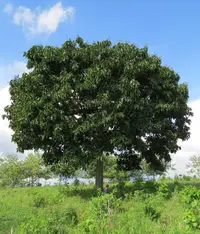
In its natural habitat, Lecythis ampla grows as a canopy to emergent tree in humid tropical forest. Young plants may begin with broken light below taller vegetation, but mature crowns develop in open overhead sun where light is strong for much of the day.

This pattern explains why cultivated plants tolerate partial sun when young but perform best with strong exposure. Preferred light is full sun.

  • Ideal exposure:

    Ideal exposure: coco needs about 6–8 hours of full sun daily, including 6–8 hours of direct sun when acclimated.

  • Direct sun:

    Established plants tolerate full sun outdoors, but newly moved plants should enter harsher exposure gradually.

  • Partial sun:

    Partial sun can support young or establishing plants, but deep shade leads to weaker growth and sparse crowns.

  • Afternoon heat:

    In hot sites, protect recently moved plants from intense afternoon sun until new leaves harden.

Excess light is most likely after sudden exposure or during extreme heat.

Bleached patches:

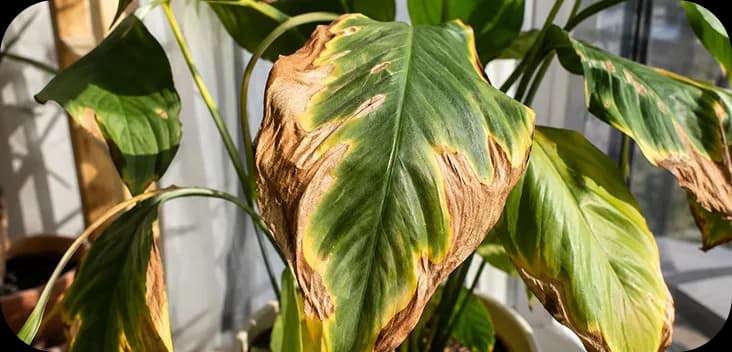
Pale tan areas on the sun-facing side of leaves can follow abrupt movement into direct afternoon sun.

Scorched spots:

Dry brown patches may appear where leaves receive intense overhead sun before they have acclimated.

Dull curled leaves:

Leaves may look flattened or slightly curled during hot, bright hours, especially on exposed new growth.

Uneven canopy color:

The brightest side may look lighter than shaded sections when sun stress is concentrated on one side.

Move recently exposed plants back to partial sun, then increase direct sun over 1–2 weeks. Use light shade during the hottest part of the day for new plantings.

Low light causes gradual weakening rather than sudden damage. These signs are most noticeable during warm, active growth.

  • Stretched shoots:

    New stems may grow longer between leaf clusters as the plant reaches toward stronger light.

  • Leaning growth:

    The crown may angle toward the brightest opening instead of developing evenly.

  • Sparse canopy:

    Foliage can become thinner, with fewer leaves held on shaded inner or lower branches.

  • Small new leaves:

    New leaves may stay smaller than expected during the active growing season.

Move the plant to a brighter open position with several hours of direct sun. Increase exposure gradually if it has been shaded for a long period.

If full sun is not available, choose the brightest open site that receives direct morning sun and unobstructed sky for the rest of the day.

Increase exposure in stages after planting or moving, especially before hot summer weather. Rotate container-grown young plants monthly so one side does not shade the other.

Deep shade is not a suitable long-term setup because the crown develops sparsely and growth weakens.

Get Personalized Care Plan

Scan your plant to receive care tips personalized for your specific plant

FAQ

For coco light requirements, aim for full sun: about 6–8 hours of strong outdoor light daily, with direct sun forming most of that exposure.

Everything About coco

More Plant Light Guides

Get the Botan App

Discover how to care for your plants with Botan.

Botan app identifying a plant with a phone camera
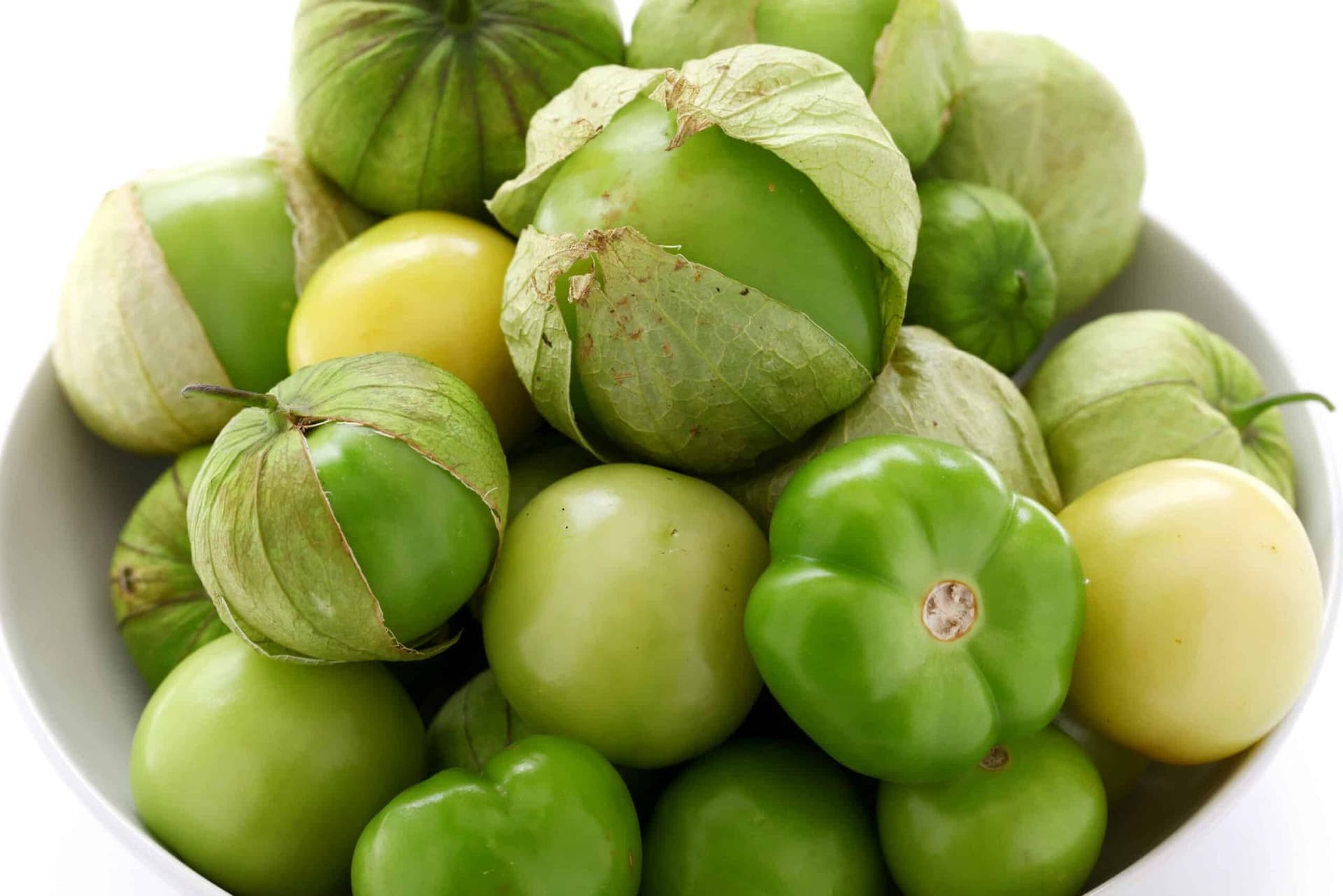
When to Harvest Tomatillos: How to Tell When They're Ripe

4 min read · 20 Oct 2026

When to Harvest Tomatillos: How to Tell When They're Ripe

Tomatillos grow inside papery husks, making it hard to judge ripeness at a glance. This guide explains how to know when tomatillos are ripe and offers practical advice on harvesting and storage.

Plant Recommendations
When to Harvest Tomatillos: How to Tell When They're Ripe
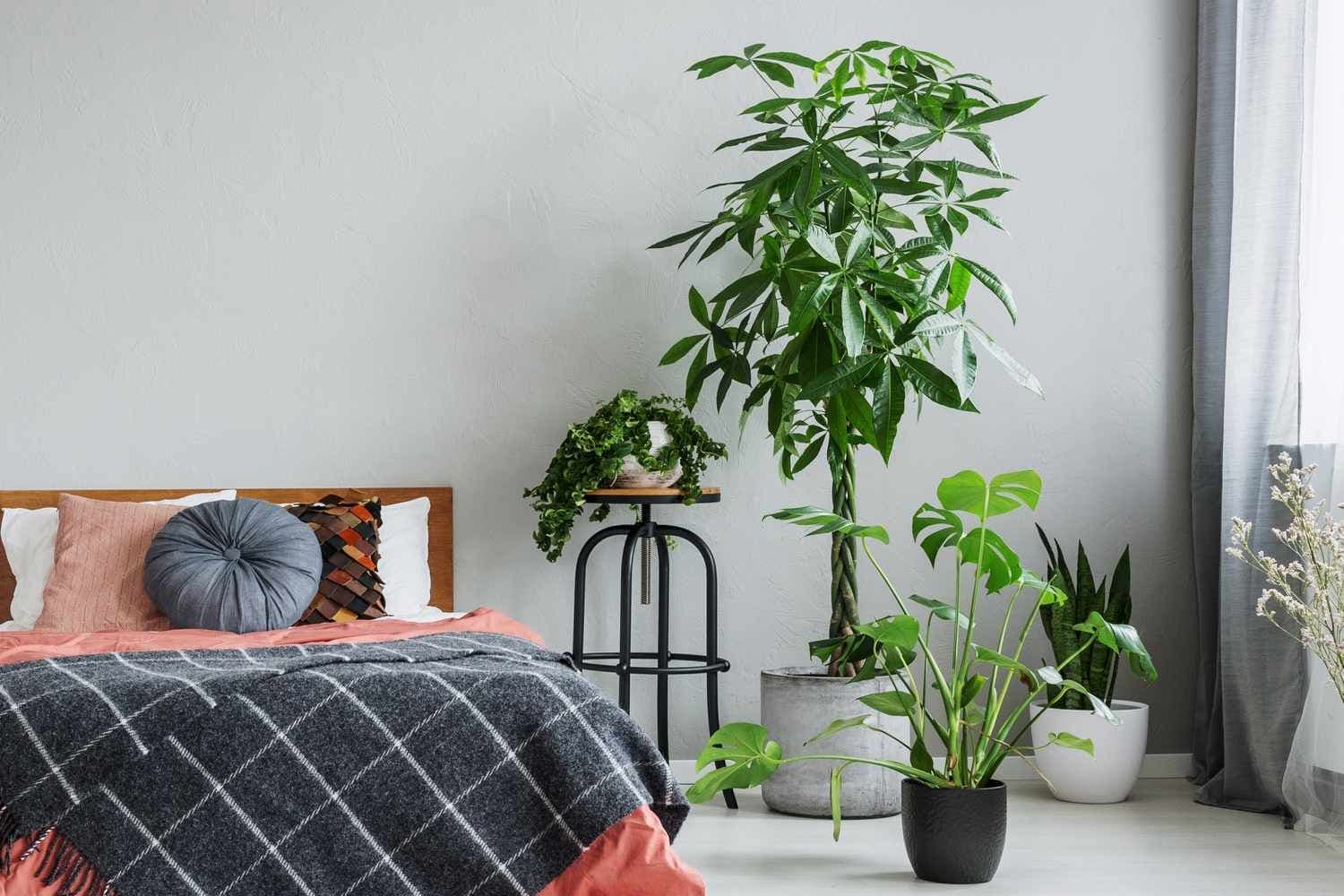
Best Bedroom Plants – Top 10 to Grow in Your Space

8 min read · 8 Jul 2026

Best Bedroom Plants – Top 10 to Grow in Your Space

Discover the top 10 houseplants that are suitable for growing in your bedroom. Compare their light and water needs, pet safety, and benefits. Find out where best to place greenery in your relaxation space and what species to avoid.

Plant Recommendations
Best Bedroom Plants – Top 10 to Grow in Your Space
How Long Can Flowers Go Without Water? Everything You Need to Know

6 min read · 10 Jul 2026

How Long Can Flowers Go Without Water? Everything You Need to Know

Flowers can survive without water anywhere from 1-2 hours to several months, depending on the plant type, species, and growing conditions. Some strong-looking flowers are drought-sensitive, while delicate-looking plants may tolerate long dry periods surprisingly well.

Plant Care
How Long Can Flowers Go Without Water? Everything You Need to Know