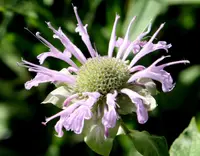


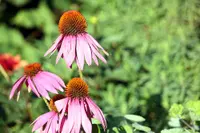
Bee balm (Monarda fistulosa) Light Needs

Bee balm grows best in full sun, with several hours of direct sunlight each day.

Light Preference

Full Sun

Monarda fistulosa Light Requirements

Monarda fistulosa is native across much of North America, where it grows in prairies, meadows, open woodland edges, and dry to moderately moist fields. These habitats give the plant long exposure to open sky, with occasional light filtering from grasses or nearby shrubs.

In cultivation, that background translates to strong light and reliable direct sun. It prefers full sun most consistently.

  • Ideal exposure:

    Bee balm needs about 6–8 hours of full sun daily, with 6 or more hours of direct sun for strongest growth and flowering.

  • Full sun tolerance:

    Established plants tolerate all-day sun when airflow is good and heat is not trapped against walls or pavement.

  • Partial sun:

    A site with 4–6 hours of direct sun is usually tolerated, especially if the brightest hours are in the morning.

  • Too much shade:

    Shade or weak filtered light often leads to lanky stems and fewer blooms rather than compact, sturdy growth.

Strong sun is usually suitable, but abrupt or trapped heat can cause stress.

Bleached patches:

Pale tan areas may appear on exposed leaves after a sudden move from softer light into intense afternoon sun.

Crisp exposed leaves:

Upper leaves facing the hottest light may dry or curl while shaded inner leaves look less affected.

Faded flower heads:

Blooms can age faster in extreme reflected heat, especially near stone, siding, or pavement.

Heat-leaning stems:

Stems may lean away from harsh afternoon exposure when the site is both hot and still.

Shift Monarda fistulosa away from reflected heat or add temporary light shade during the hottest part of the day. Increase brighter exposure gradually after several days of softer light.

Low light reduces flowering before it causes obvious leaf damage. The plant responds by reaching for brighter exposure.

  • Stretched stems:

    New shoots may grow tall, thin, and less sturdy as they search for stronger light.

  • Wide spacing:

    Leaves may sit farther apart along the stem instead of forming dense, upright growth.

  • Few blooms:

    Flowering may be sparse or delayed when direct sun is below the plant’s normal range.

  • One-sided lean:

    Stems may angle toward the brightest side of the planting area.

  • Small new growth:

    New leaves and shoots may remain smaller during the active growing season.

Move Monarda fistulosa to a more open site with at least 4–6 hours of direct sun. Choose morning sun first if the change is large.

If full sun is not available, choose the brightest open spot that gives 4–6 hours of direct light. Favor morning and midday sun over deep afternoon shade.

Remove nearby shade sources or move containers away from walls that block the sky. Rotate potted plants every few days if growth leans toward one side.

Avoid planting in dense shade; that setup is unsuitable because flowering and stem strength usually decline.

Get Personalized Care Plan

Scan your plant to receive care tips personalized for your specific plant

FAQ

Bee balm light requirements are full sun for best growth and flowering. The species can tolerate partial sun, but weak light usually reduces stem strength and bloom quantity.

Everything About Bee balm

More Plant Light Guides

Get the Botan App

Discover how to care for your plants with Botan.

Botan app identifying a plant with a phone camera
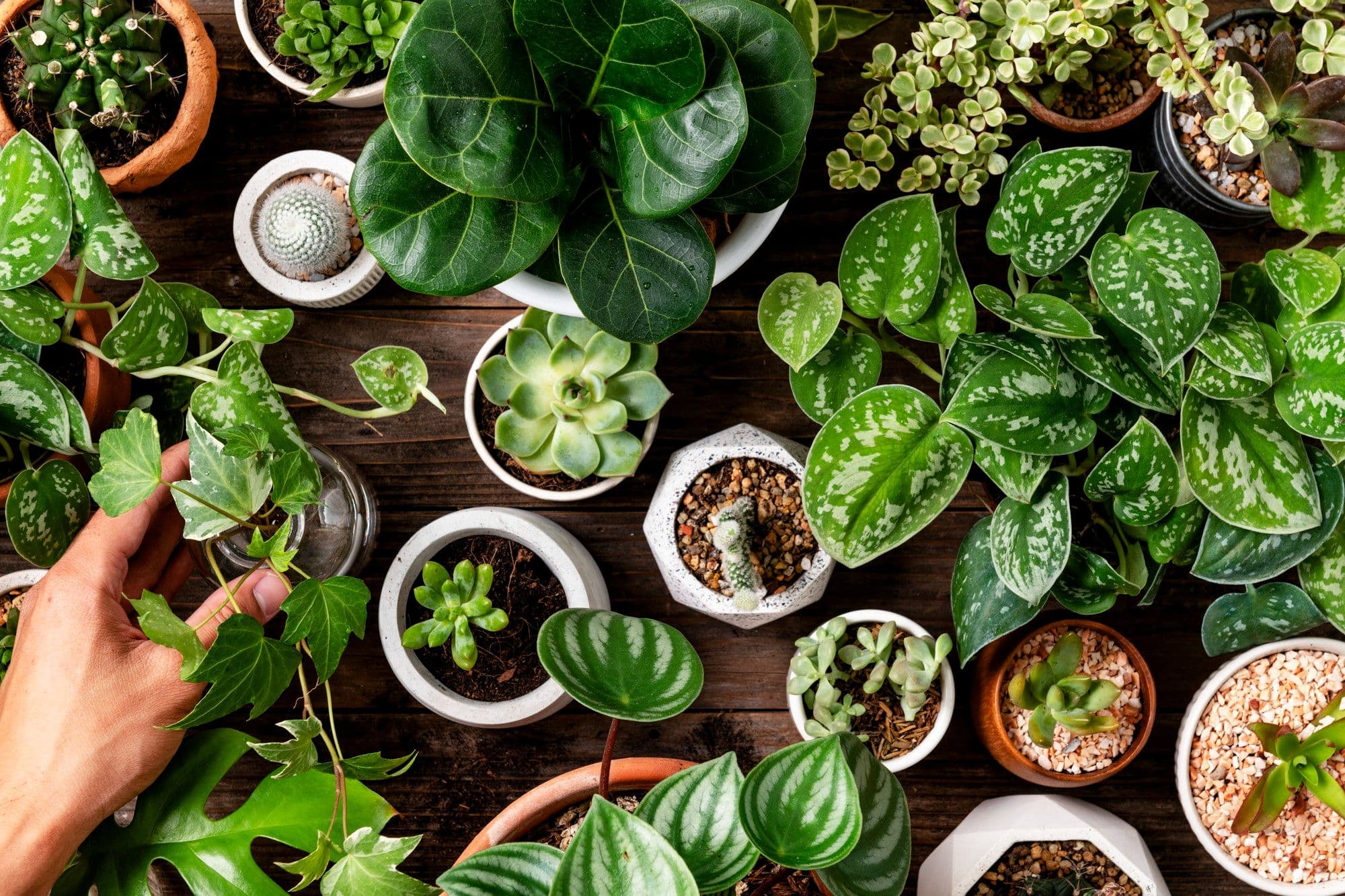
What Do Plants Need to Grow – 5 Things Every Greenery Can't Live Without

8 min read · 31 Jul 2026

What Do Plants Need to Grow – 5 Things Every Greenery Can't Live Without

To keep plants healthy and thriving, provide the right balance of light, humidity, nutrients, airflow, and quality soil. This guide covers the essentials of year-round plant care.

Beginner Guides
What Do Plants Need to Grow – 5 Things Every Greenery Can't Live Without
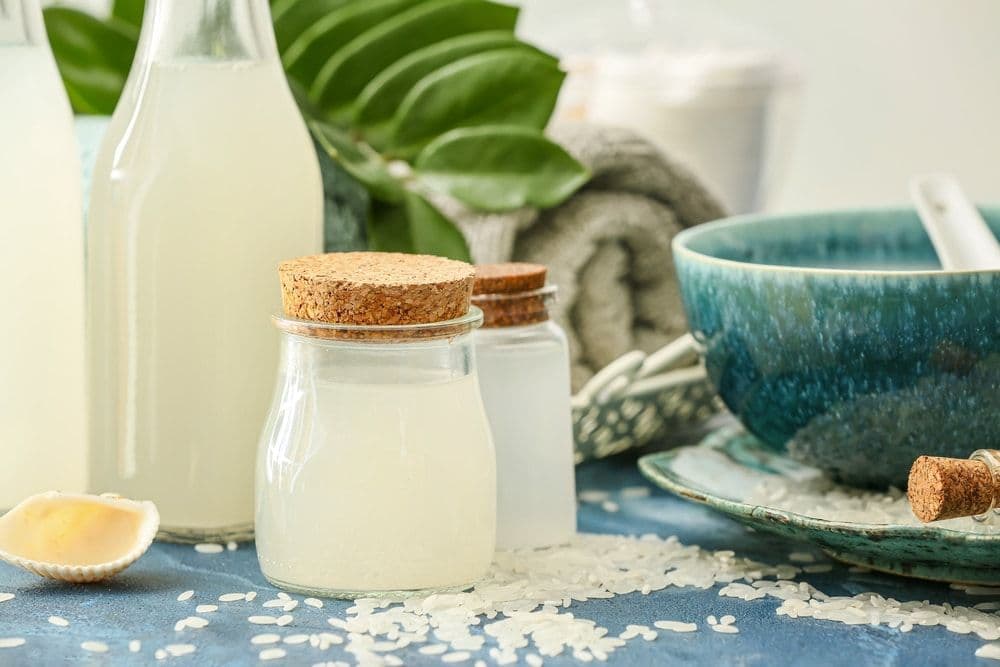
Rice Water for Plants – Which Plants Love It and How to Make It

8 min read · 14 Jul 2026

Rice Water for Plants – Which Plants Love It and How to Make It

Rice water can be an ideal DIY solution for orchids, roses, or fruiting plants. It supports growth, leaf count, and height. We’ll share how to make and apply it correctly for your plant.

Plant Care
Rice Water for Plants – Which Plants Love It and How to Make It
13 Best Front Yard Trees for Every Home and Yard

12 min read · 7 Aug 2026

13 Best Front Yard Trees for Every Home and Yard

A front yard tree can stay for decades. Therefore, choosing one deserves serious consideration. Here are 13 trees that have proven themselves, sorted by their purpose. You'll also find five species to avoid and basic planting information.

Plant Recommendations
13 Best Front Yard Trees for Every Home and Yard