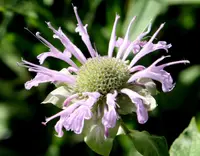
Bee balm (Monarda fistulosa) Watering Guide

This page explains when, how often, and how much to water Monarda fistulosa for steady, healthy growth.

Water Requirements

Moderate Water

Monarda fistulosa Watering

Native to North American prairies and open woodlands, Bee balm evolved with moderate rainfall and periods of light drying. Monarda fistulosa generally prefers slightly moist soil that does not stay saturated for long. Understanding watering Bee balm starts with matching these naturally alternating moist and drier conditions.

For garden plants, aim for steady, moderate moisture that gently tapers between waterings. In containers, moisture swings are faster, so monitoring dryness becomes more important before detailed adjustments.

Let the top 1–2 inches (3–5 cm) of soil dry before watering Monarda fistulosa again. This often means watering about once a week in mild outdoor conditions, but intervals shorten during hot, windy weather and may lengthen in cool seasons or heavier soils.

Water Bee balm when the top 1–2 inches (3–5 cm) of soil feel dry, aiming for slow, even root-zone saturation.

  • Pour water at the base of the plant, keeping foliage as dry as possible to limit lingering surface moisture.
  • Apply water slowly around the drip line so it penetrates deeply instead of running off the soil surface.
  • Continue adding water until the soil is evenly moist throughout the root zone, then stop before the area becomes soggy.
  • Allow containers and garden beds to drain freely, and empty any standing water from saucers or decorative cachepots soon after.

Incorrect moisture around Monarda fistulosa roots can gradually trigger several avoidable growth problems.

Wilting Foliage:

Stems and leaves droop despite moist soil, often from root rot in poorly drained sites.

Yellowing Lower Leaves:

Older leaves turn pale, then yellow, when soil stays wet and oxygen around roots declines.

Powdery Leaf Coating:

White, dusty patches develop on crowded, damp foliage when overhead watering raises humidity persistently.

Sparse, Stunted Growth:

Plants stay short with few blooms after chronic drought stress and repeatedly parched, compacted soil.

Cracked, Hard Soil Surface:

Top layer bakes and splits, signaling infrequent deep watering and excessive evaporation in full sun.

Aim for evenly moist, freely draining soil that dries slightly between waterings, avoiding extremes of saturation or drought.

Poor watering habits disturb Monarda fistulosa’s balance, making this prairie perennial less resilient, shorter lived, and more disease prone.

  • Watering by calendar: Following a fixed schedule ignores weather and soil conditions; instead, water only when the top soil feels dry to the touch.
  • Heavy, soggy soil: Using dense soil that stays wet smothers roots; choose a loose, well-drained mix or amend native soil with grit.
  • Letting pots sit in runoff: Leaving water in saucers keeps roots submerged; empty excess within 10–15 minutes so the root zone can drain properly.

For bee balm, match water to actual soil dryness and drainage, keeping conditions moist but never saturated for long periods.

  • Spring: Increase watering slightly as new shoots emerge, keeping soil evenly moist but not soggy while roots wake from winter dormancy.
  • Summer: Water deeply during extended hot, dry spells, allowing the top inch of soil to dry between soakings to limit mildew and root stress.
  • Fall: Gradually reduce watering as flowering slows, letting soil dry a bit more between waterings to help stems harden before frost.
  • Winter: When dormant outdoors, rely mostly on natural precipitation, watering only during unusually long snow-free dry periods to prevent complete root desiccation.

Track Watering. Catch Problems Early

Use Botan for a clear watering guide and simple care steps for Monarda fistulosa, plus gentle photo-based checks that can flag early signs of stress, pests, or disease.

Botan plant care app — identify plants on mobile

Interesting Watering Facts

Moisture‑flexible prairie native

Monarda fistulosa occurs in both dry prairies and moderately moist meadows across North America, showing a natural tolerance for seasonal swings from spring moisture to relatively dry late summers without consistent supplemental water.


Deep roots, drought resilience

Field studies of Monarda fistulosa communities show that its relatively deep, fibrous root system allows the plant to continue flowering through moderate drought once established, drawing on deeper soil moisture rather than relying on frequent surface rainfall.

FAQ

Allow the top 1–2 inches (3–5 cm) of soil to dry before watering again. The root zone should stay slightly moist, not soggy. Extended dryness stresses the plant, while constantly wet soil encourages root rot.

Everything About Bee balm

More Plant Watering Guides

Is Your Watering Routine Hurting Your Bee balm?

Use Botan to review watering patterns and see if moisture timing needs adjustment.

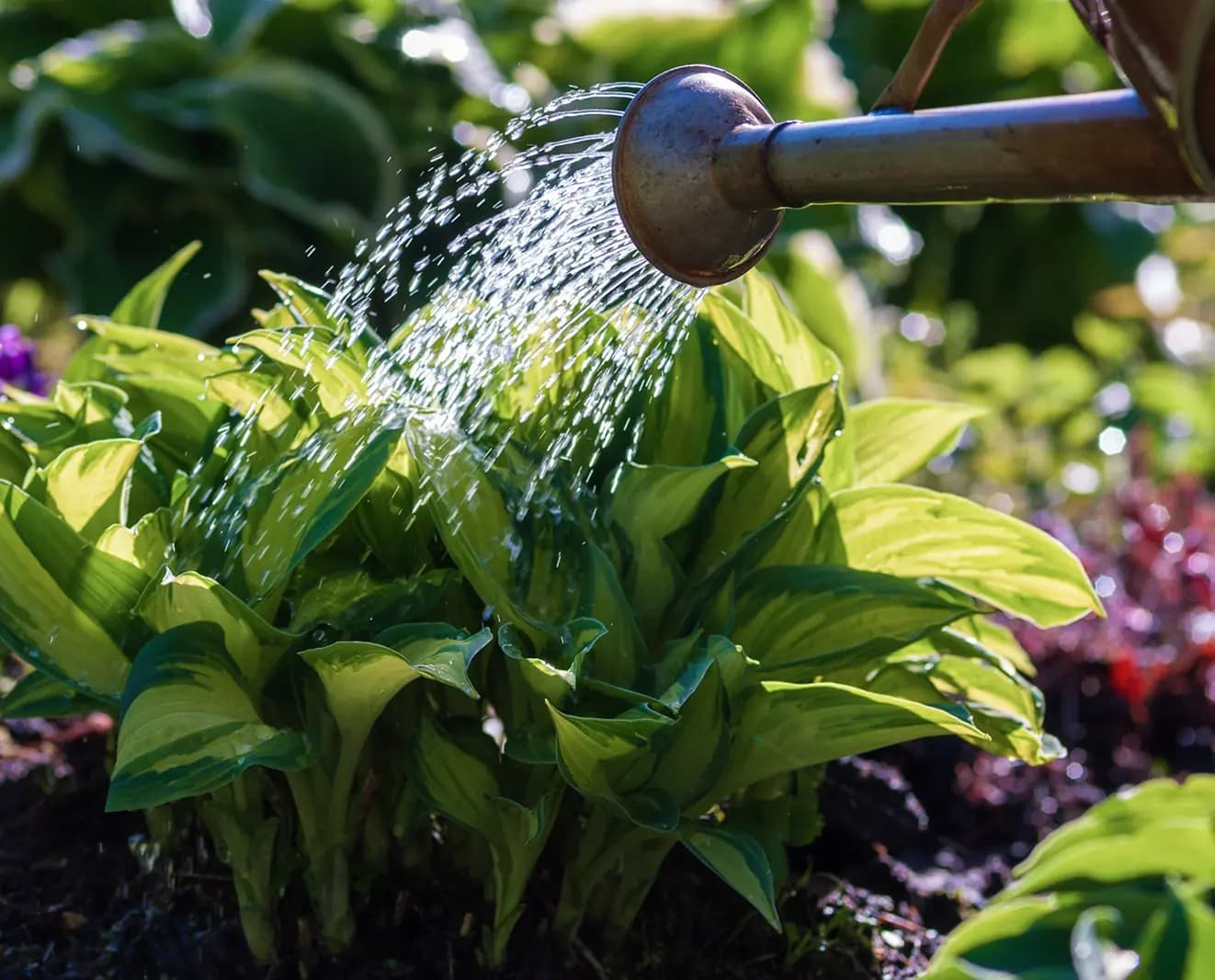
Watering a plant with a copper watering can
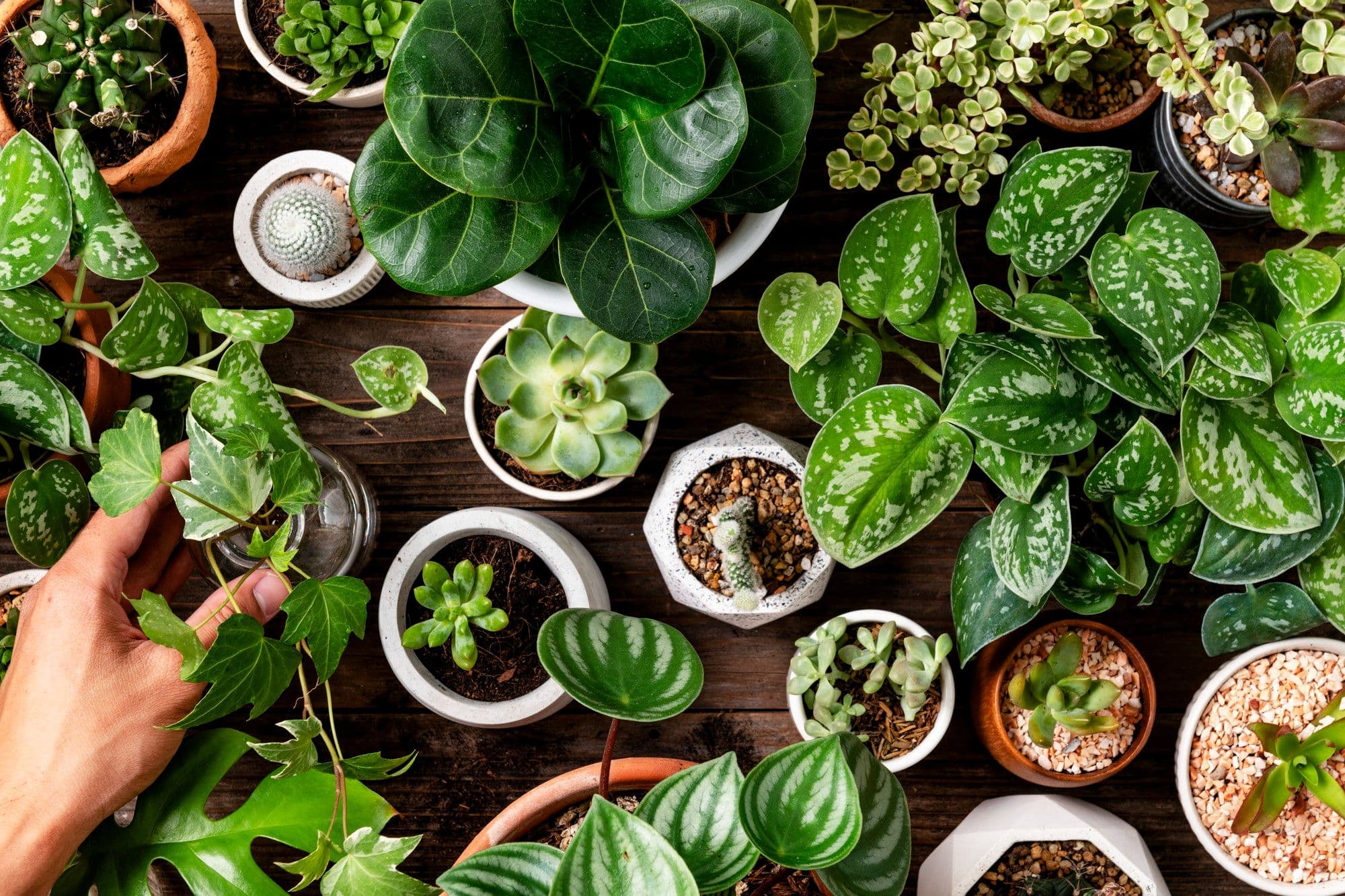
What Do Plants Need to Grow – 5 Things Every Greenery Can't Live Without

8 min read · 31 Jul 2026

What Do Plants Need to Grow – 5 Things Every Greenery Can't Live Without

To keep plants healthy and thriving, provide the right balance of light, humidity, nutrients, airflow, and quality soil. This guide covers the essentials of year-round plant care.

Beginner Guides
What Do Plants Need to Grow – 5 Things Every Greenery Can't Live Without
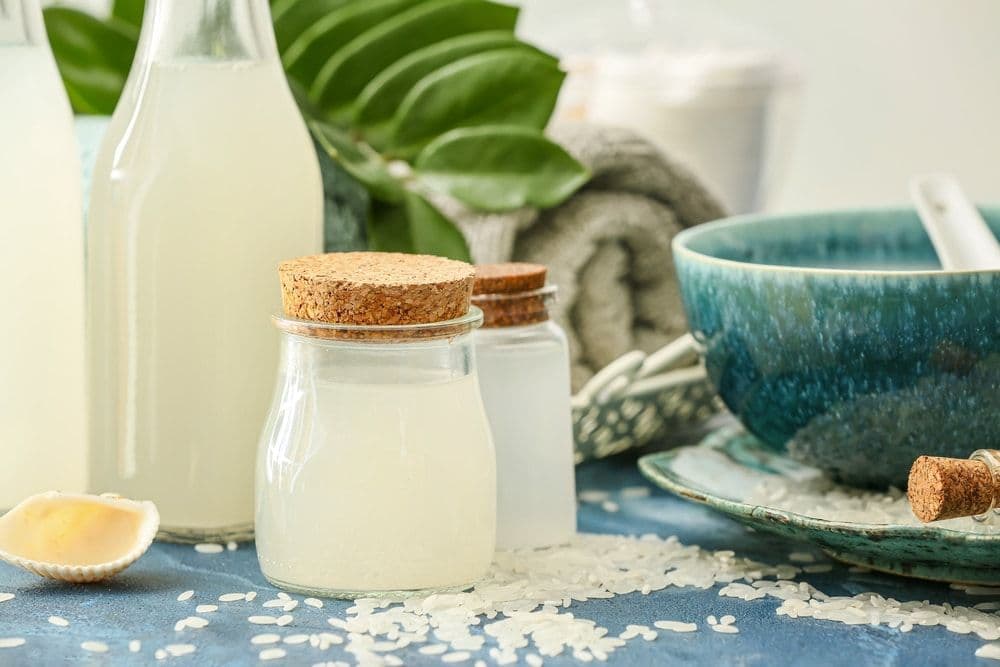
Rice Water for Plants – Which Plants Love It and How to Make It

8 min read · 14 Jul 2026

Rice Water for Plants – Which Plants Love It and How to Make It

Rice water can be an ideal DIY solution for orchids, roses, or fruiting plants. It supports growth, leaf count, and height. We’ll share how to make and apply it correctly for your plant.

Plant Care
Rice Water for Plants – Which Plants Love It and How to Make It
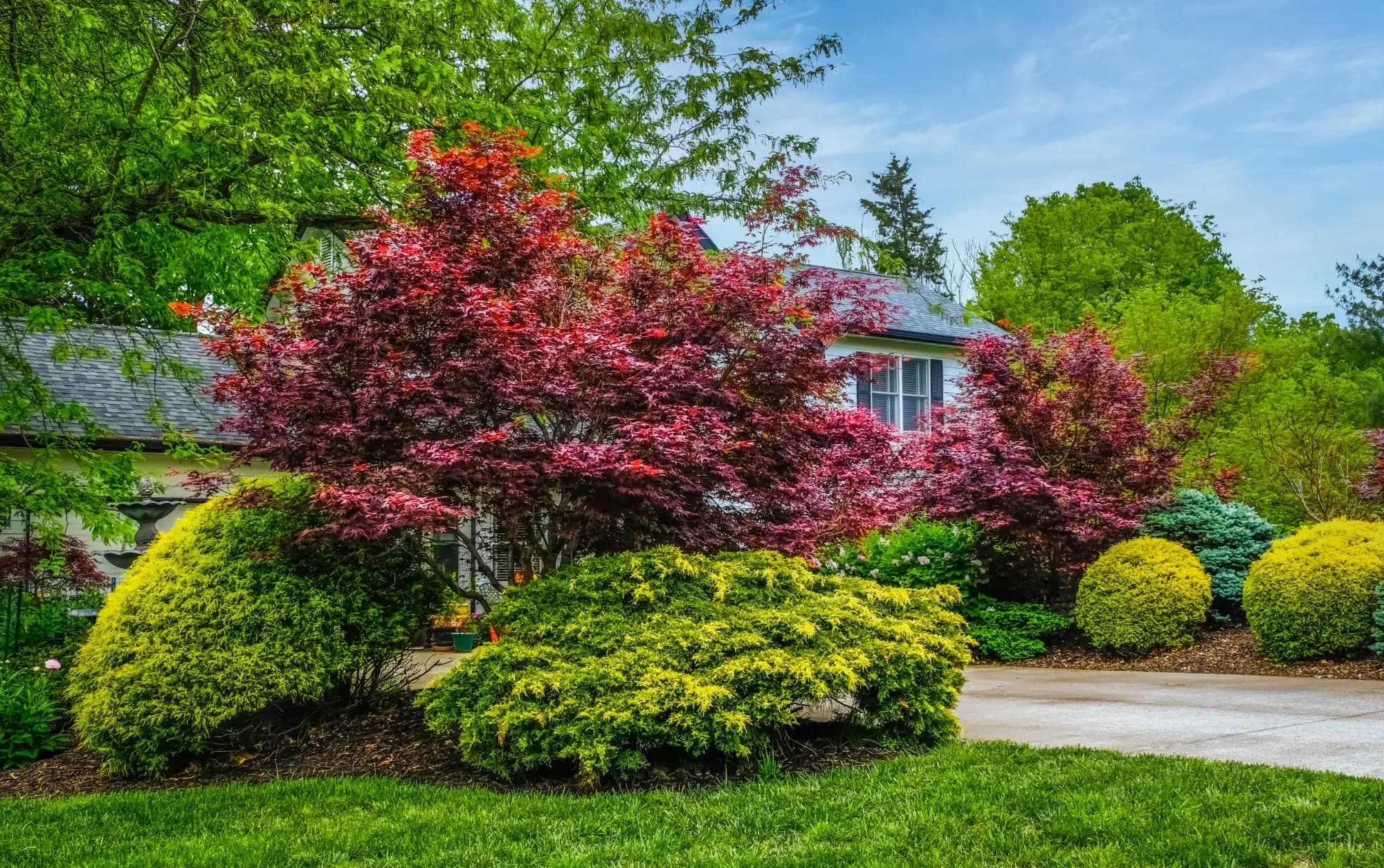
13 Best Front Yard Trees for Every Home and Yard

12 min read · 7 Aug 2026

13 Best Front Yard Trees for Every Home and Yard

A front yard tree can stay for decades. Therefore, choosing one deserves serious consideration. Here are 13 trees that have proven themselves, sorted by their purpose. You'll also find five species to avoid and basic planting information.

Plant Recommendations
13 Best Front Yard Trees for Every Home and Yard