Gerbera daisy (Gerbera jamesonii) Watering Guide

This page explains when, how often, and how much to water Gerbera jamesonii for steady, healthy growth.

Water Requirements

Moderate Water

Gerbera jamesonii Watering

Native to seasonally moist, open habitats, Gerbera jamesonii prefers soil that stays lightly moist but not soggy. Indoors and in containers, watering Gerbera daisy usually means more frequent attention than in well-prepared garden beds.

Aim for gentle consistency, letting the upper soil lose some surface dampness between sessions rather than remaining wet. This overview sets the foundation for how to water Gerbera daisy before adjusting for light, temperature, and potting setup.

Water when the top 1–2 inches (3–5 cm) of soil feel dry, rather than on a fixed schedule. Indoors, this typically means every 5–7 days in bright, warm conditions, but may stretch longer in cooler, lower light. Outdoor Gerbera daisy in summer heat may dry out more quickly.

Water Gerbera daisy when the top 1–2 inches (3–5 cm) of soil feel dry and slightly lighter in color.

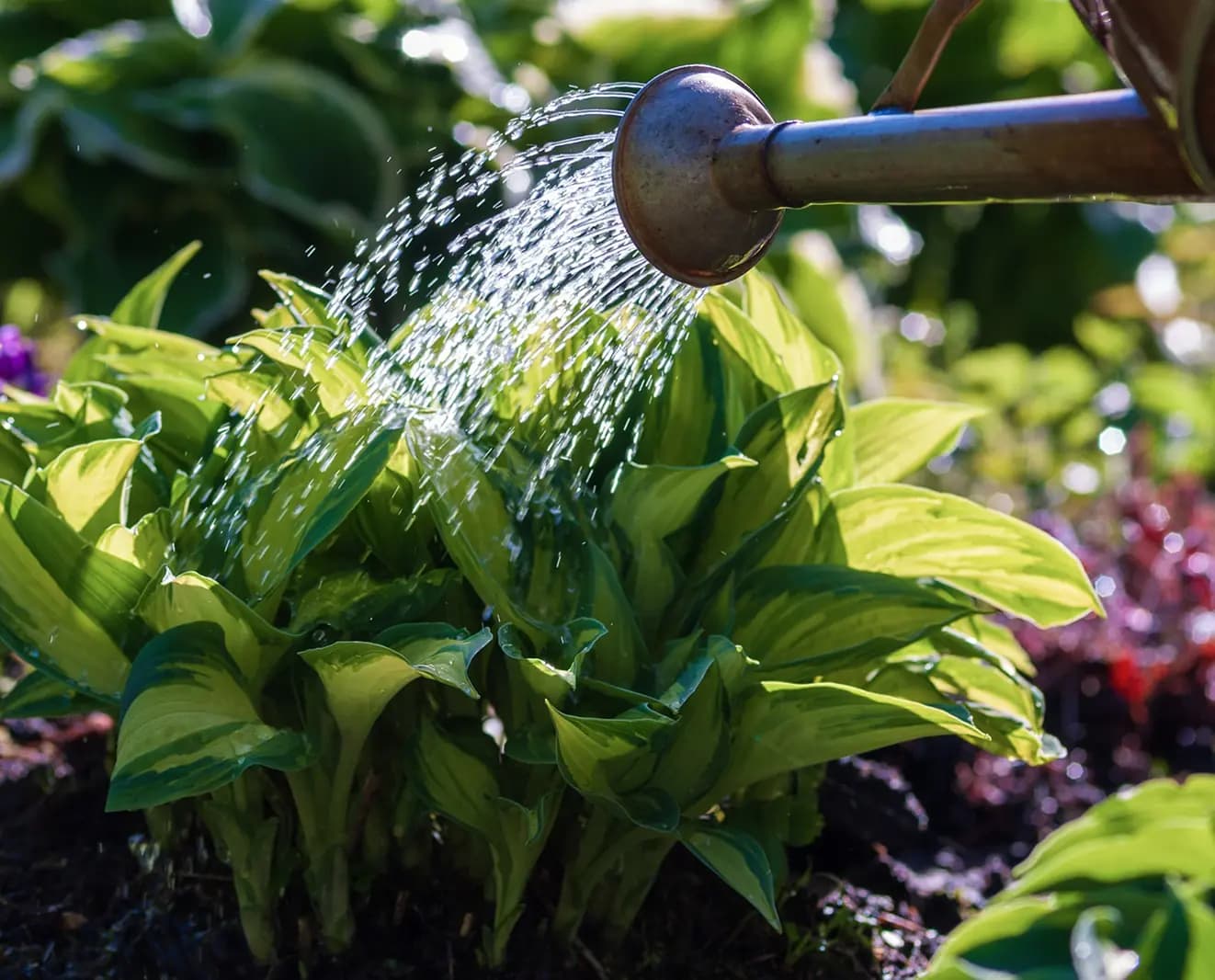
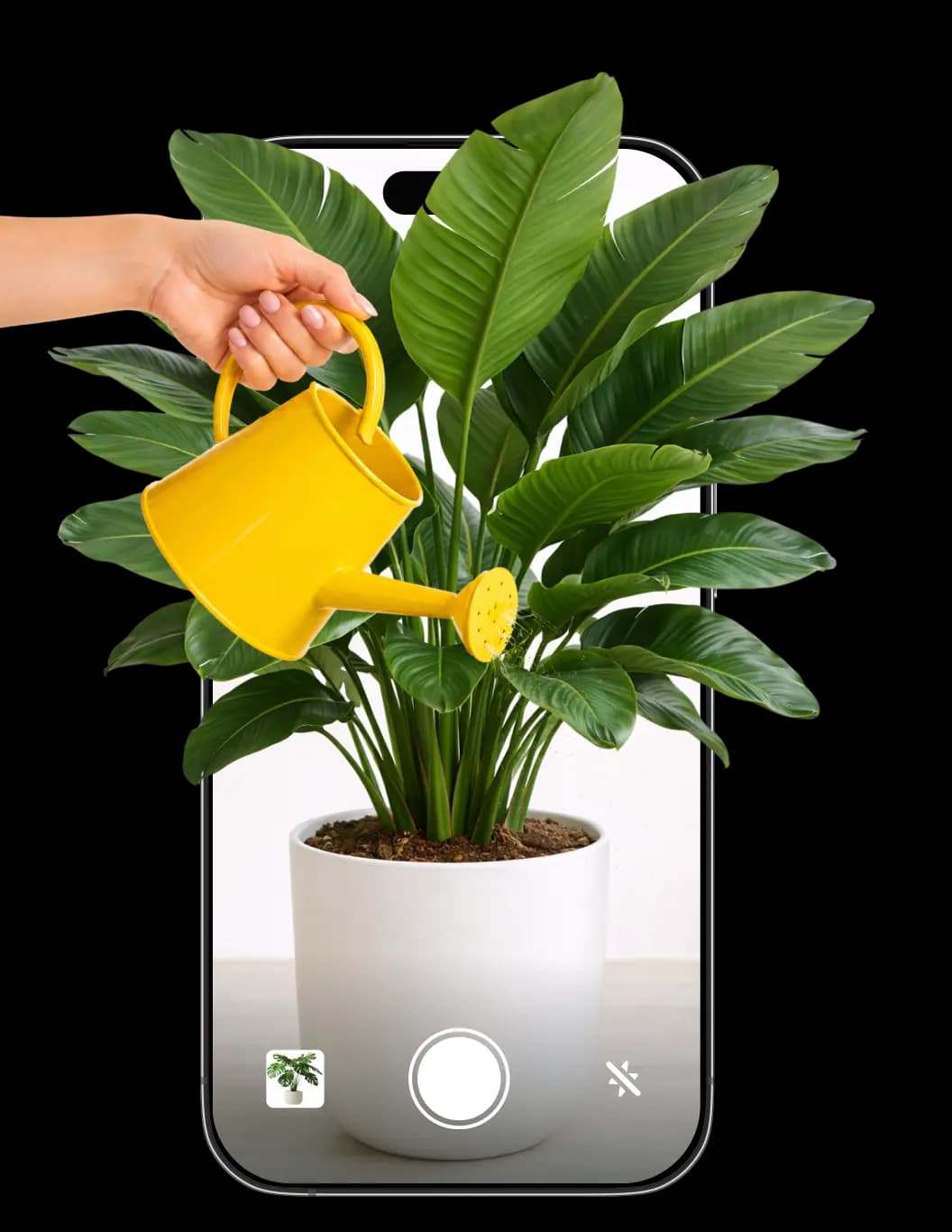
  • Pour room-temperature water slowly onto the soil surface around the plant, keeping the central crown and leaves dry.
  • Moisten the root zone evenly until water begins to drain from the pot’s holes, then stop adding more water.
  • After draining for several minutes, empty any water collected in the saucer so roots sit in air, not standing moisture.
  • For bottom watering, place the pot in a shallow tray of water, then remove once the upper soil feels evenly damp.

Incorrect moisture levels can stress Gerbera jamesonii and trigger several growth and flowering problems.

Drooping, Floppy Leaves:

Limp foliage often follows underwatering or erratic moisture, so check soil dryness and adjust watering rhythm.

Yellowing Lower Leaves:

Older leaves turning yellow commonly indicate chronic overwatering and oxygen-poor roots in dense, soggy soil.

Brown Crown Rot:

Soft, browning plant centers typically result from water sitting at the crown and poor drainage.

Powdery Mildew On Leaves:

White, powdery patches develop when foliage stays damp and air circulation is limited around plants.

Bud Drop Before Opening:

Flower buds shrivel or fall when moisture fluctuates between very dry and very wet conditions.

Keep soil evenly moist but airy, watering deeply, then letting the top layer partially dry between waterings.

Unsuitable watering habits can quickly weaken Gerbera jamesonii by stressing its shallow roots and creating conditions that favor disease.

  • Watering by calendar: Following a fixed schedule ignores actual soil moisture; instead, check the top inch and water only when it feels dry.
  • Heavy, soggy potting mix: Using dense soil keeps roots wet too long; choose a loose, peat- or coir-based mix with added perlite for drainage.
  • Water left in saucer: Letting runoff sit around the pot base keeps roots constantly wet; empty the saucer a few minutes after watering.

Safer watering relies on checking soil moisture, providing quick drainage, and letting the root zone lightly dry between thorough waterings.

  • Spring: As new leaves and buds form, water when the top inch of soil dries, keeping moisture steady but avoiding prolonged sogginess.
  • Summer: In hot, bright conditions, check soil more often and water deeply when dry, ensuring excess drains to prevent heat-stress root rot.
  • Fall: Growth slows, so slightly extend the time between waterings while keeping soil from fully drying out for long periods.
  • Winter: In cool or low-light conditions, reduce frequency so soil dries a bit deeper, preventing rot during semi-dormant or slowed growth.

Your Gerbera daisy Care Companion

Use Botan for a simple watering guide and care procedures tailored to Gerbera daisy, plus gentle photo-based checks that can help spot emerging leaf, flower, or root issues early.

Botan plant care app — identify plants on mobile

Interesting Watering Facts

Seasonal Rainfall Response

In its native South African grassland habitat, Gerbera jamesonii experiences distinct wet and dry seasons, forming new flowering stems mainly after seasonal rains when soil moisture increases rather than during prolonged dry periods.


Sensitivity to Waterlogging

Gerbera jamesonii is naturally adapted to freely draining, sandy or gritty soils and is prone to root and crown rot when exposed to prolonged waterlogging, even though it tolerates moderate, regular rainfall in its native range.

FAQ

Early morning is best. Water at soil level so foliage and flowers dry quickly, which limits fungal disease. Avoid midday heat and late evening, when leaves stay wet and root problems become more likely.

More Plant Watering Guides

Is Your Watering Routine Hurting Your Gerbera daisy?

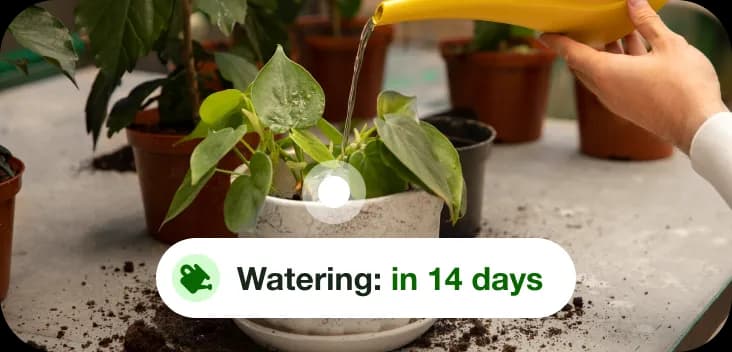
Botan quickly reviews your watering pattern to keep moisture levels on track.

Watering a plant with a copper watering can
Banana Peel Water for Plants: 5 Things to Know Before Trying It

5 min read · 9 Jul 2026

Banana Peel Water for Plants: 5 Things to Know Before Trying It

Banana water can provide potassium and some nutrients that may support plant growth, but it is not a universal fix. Use it carefully and only when the plant actually shows signs of nutrient deficiency rather than as a routine treatment.

Plant Care
Banana Peel Water for Plants: 5 Things to Know Before Trying It
Can Plants Grow With Artificial Light?

6 min read · 15 Sept 2026

Can Plants Grow With Artificial Light?

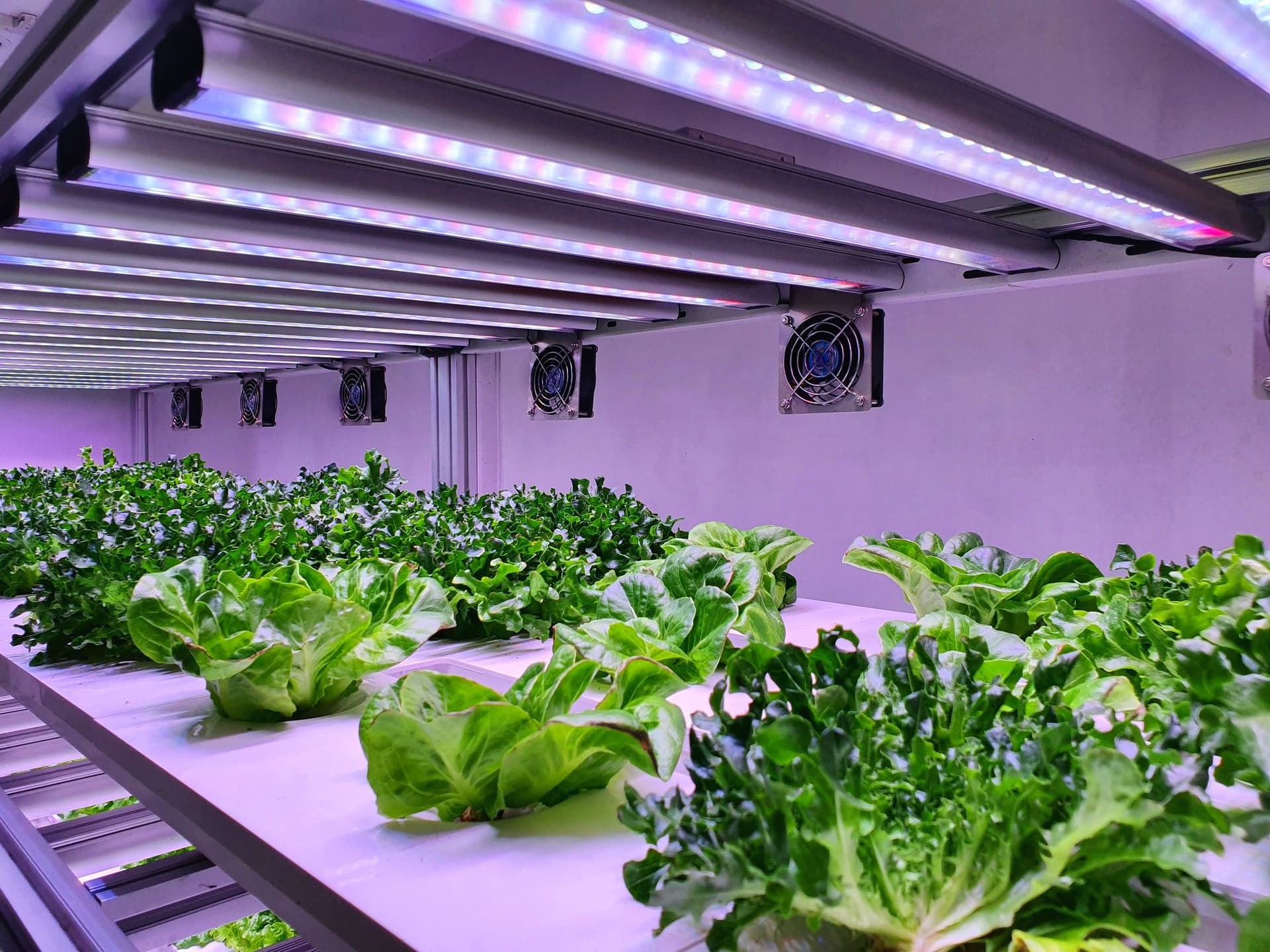
Plants can grow under artificial light when the setup provides a suitable spectrum, enough intensity, and sufficient daily exposure. This guide explains how artificial lighting compares with sunlight, which options work indoors, and how to match a setup to houseplants.

Plant Care
Can Plants Grow With Artificial Light?
Best Bedroom Plants – Top 10 to Grow in Your Space

8 min read · 8 Jul 2026

Best Bedroom Plants – Top 10 to Grow in Your Space

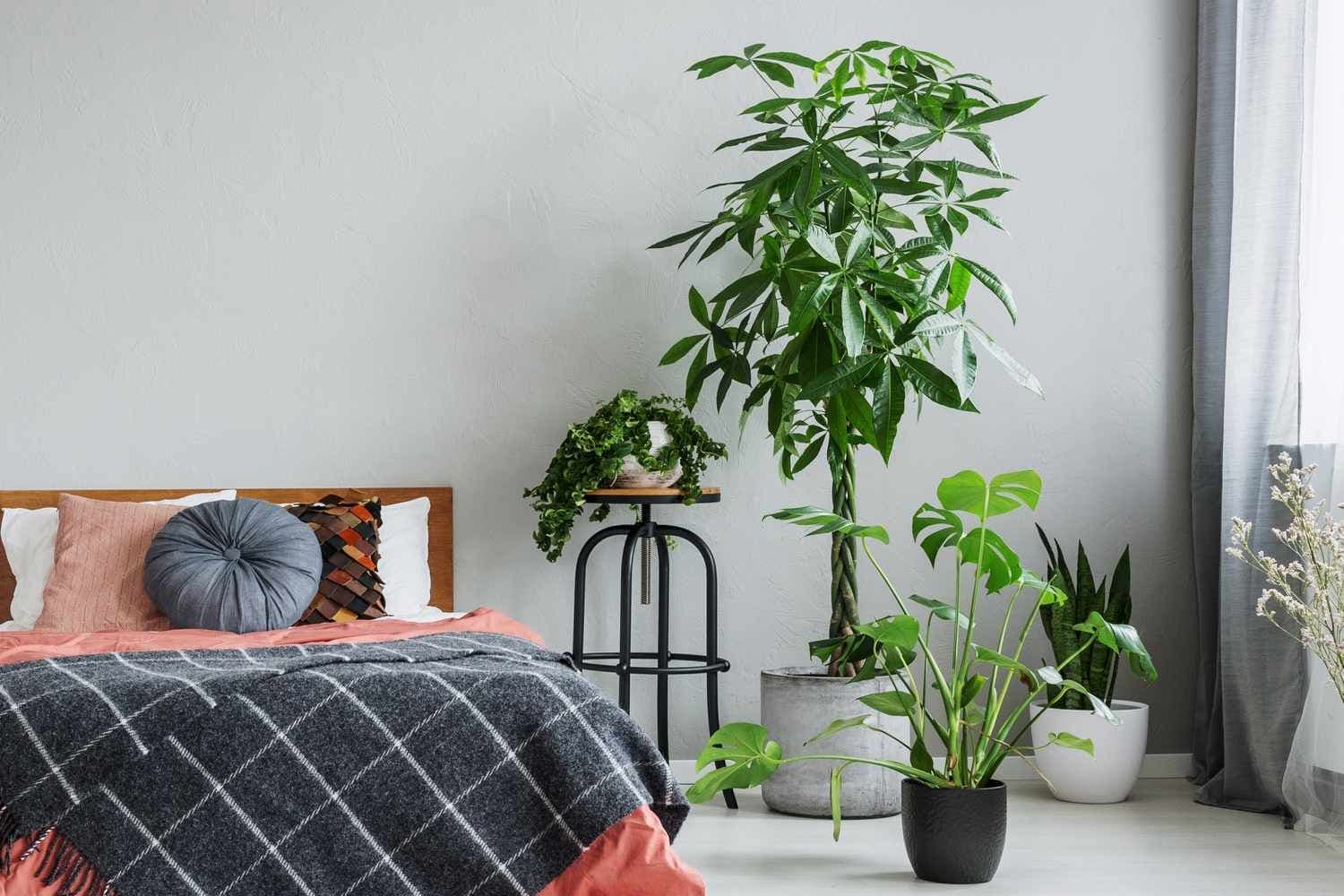
Discover the top 10 houseplants that are suitable for growing in your bedroom. Compare their light and water needs, pet safety, and benefits. Find out where best to place greenery in your relaxation space and what species to avoid.

Plant Recommendations
Best Bedroom Plants – Top 10 to Grow in Your Space