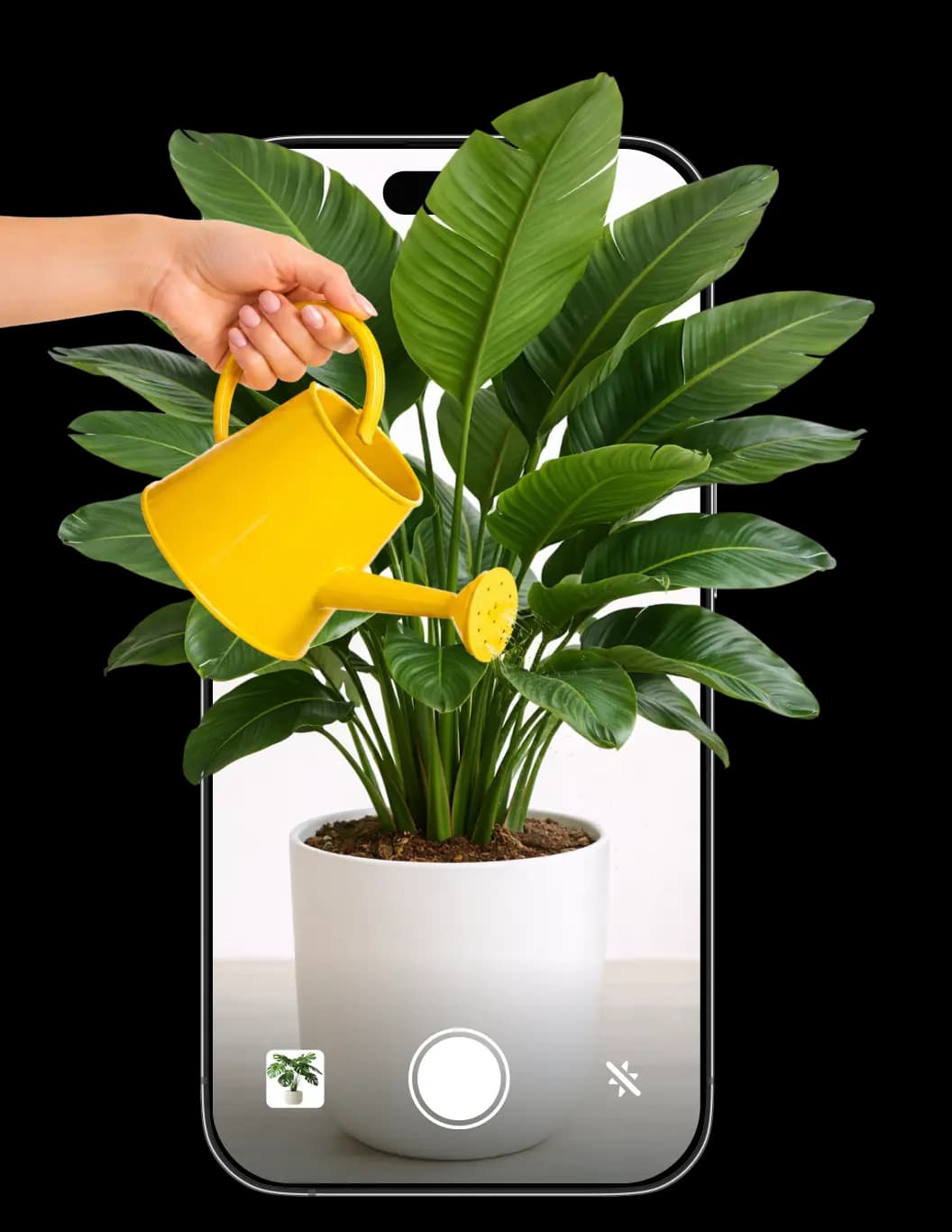
Poinsettia (Euphorbia pulcherrima) Watering Guide

This page explains when, how often, and how much to water Euphorbia pulcherrima in straightforward terms.

Water Requirements

Moderate Water

Euphorbia pulcherrima Watering

Native to seasonally dry regions of Mexico, this plant experiences distinct wet and dry periods that shape its moisture needs. Euphorbia pulcherrima prefers soil that lightly dries between sessions rather than staying constantly wet indoors.

Most watering Poinsettia routines work best by responding to light topsoil drying and overall indoor conditions. For containers versus outdoor plantings, indoor pots usually dry faster and need more frequent checks, guiding how to water Poinsettia sensibly.

Water when the top 1–2 inches (3–5 cm) of soil feel dry, rather than by a fixed schedule. Indoors, Euphorbia pulcherrima typically needs watering about once a week, but bright light or warm, dry winter air can shorten this interval. In cooler, lower-light spots, the gap between waterings usually lengthens.

Water Poinsettia when the top 1-2 inches (3-5 cm) of soil feel dry, using slow, thorough watering and good drainage.

  • Pour room-temperature water slowly onto the soil surface around the base, avoiding direct contact with leaves and bracts.
  • Continue adding water until it flows evenly from the drainage holes, ensuring the entire root zone is fully moistened.
  • Let the pot drain completely over a sink or tray, then discard any water that collects in the saucer.
  • For bottom watering, place the pot in a shallow tray of water, then remove once the upper soil feels evenly moist.

Improper moisture balance can trigger health problems in Euphorbia pulcherrima grown indoors or outdoors.

Yellowing Lower Leaves:

Older leaves fade yellow and drop when roots sit in chronically soggy, poorly drained potting mix.

Wilting With Wet Soil:

Limp stems and drooping leaves despite damp mix often indicate root rot from prolonged overwatering.

Leaf Edge Browning:

Crisp, brown margins typically develop after repeated underwatering or when soil dries completely between waterings.

Sudden Leaf Drop:

Bracts and leaves fall quickly when watering fluctuates between saturation and severe dryness, stressing tissues.

Mushy Roots:

Brown, soft roots with sour odor signal oxygen-starved conditions in compacted or waterlogged containers.

Keep the root zone lightly moist with good drainage, avoiding both waterlogging and bone-dry cycles.

Unsuitable watering habits can stress Euphorbia pulcherrima, making poinsettia bracts fade sooner and reducing overall vigor indoors.

  • Watering by schedule: Following a rigid calendar instead of checking soil moisture leads to stress; test the top layer and adjust timing instead.
  • Heavy, soggy potting mix: Dense soil holds water too long; use a peat- or coir-based mix with perlite for quicker drainage and aeration.
  • Letting saucers stay full: Leaving runoff in the saucer keeps roots submerged; empty it after draining so the root zone can breathe.

Aim for consistently slightly moist, well-drained soil, with thorough watering only when the surface dries, to support compact, durable growth.

  • Spring: As new leaves form and bracts develop, let the top inch of soil dry slightly faster, then water moderately and drain well.
  • Summer: During warm, bright conditions, especially outdoors, monitor more often and water when the upper layer is dry, avoiding prolonged sogginess in containers.
  • Fall: As light shortens and growth slows, reduce watering frequency slightly so the root zone stays lightly moist but never saturated.
  • Winter: While it colors and then rests, keep soil just barely moist, extending intervals between waterings in cooler rooms with low light.

Your Poinsettia Care Companion

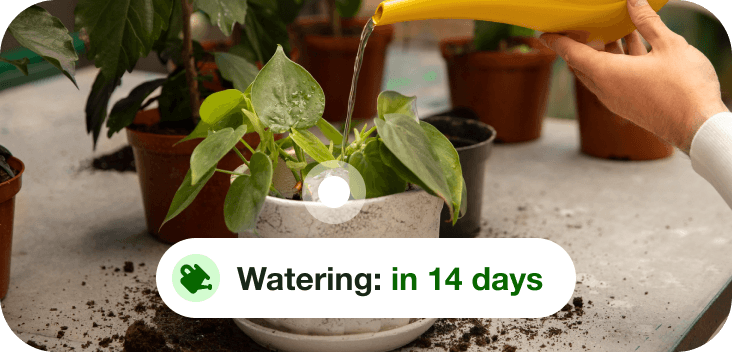
Use Botan for a simple Euphorbia pulcherrima watering guide, reminders, and step‑by‑step care. The app can also review plant photos to help spot early signs of stress or disease.

Botan plant care app — identify plants on mobile

Interesting Watering Facts

Seasonal Dry Rest

In its native Mexican habitat, Euphorbia pulcherrima experiences a drier, cooler period after flowering, and growth slows. Indoors, slightly reducing watering after the bracts fade helps mimic this natural dry rest and supports healthier regrowth.


Shallow, Sensitive Roots

Euphorbia pulcherrima has fine, shallow roots that are efficient at taking up brief surface moisture but are prone to rot in saturated soil. This root structure is why it responds better to thorough watering with good drainage than to constantly damp potting mix.

Adapted To Steep Slopes

Wild populations often grow on rocky or sloping terrain in Mexico, where water drains quickly after rains. This hillside origin helps explain the plant’s preference for free‑draining soil and dislike of standing water around the roots.

FAQ

Wilting in wet soil usually means roots lack oxygen from overwatering or poor drainage. Let the mix dry to the top 1–2 inches, improve drainage, and check that excess water can leave the pot freely.

Everything About Poinsettia

More Plant Watering Guides

Is Your Watering Routine Hurting Your Poinsettia?

Use Botan to quickly review whether your plant’s watering schedule stays on track.

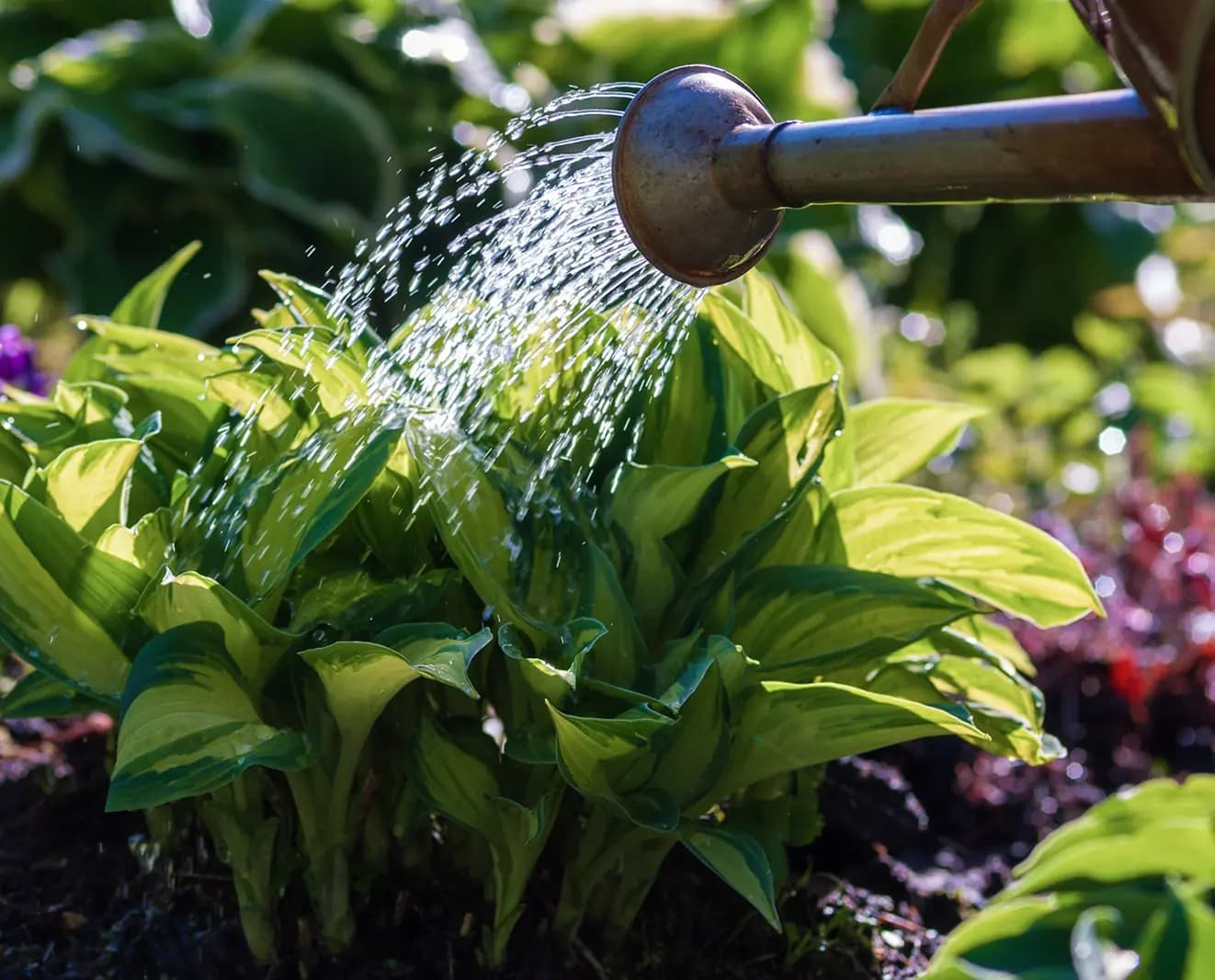
Watering a plant with a copper watering can
What Do Plants Need to Grow – 5 Things Every Greenery Can't Live Without

8 min read · 31 Jul 2026

What Do Plants Need to Grow – 5 Things Every Greenery Can't Live Without

To keep plants healthy and thriving, provide the right balance of light, humidity, nutrients, airflow, and quality soil. This guide covers the essentials of year-round plant care.

Beginner Guides
What Do Plants Need to Grow – 5 Things Every Greenery Can't Live Without
How to Group Plants in Landscaping: A Practical Layout Guide

8 min read · 31 Aug 2026

How to Group Plants in Landscaping: A Practical Layout Guide

Good plant grouping can mean the difference between a well-planned garden and one that looks sloppy. This guide explores layers, spacing, cluster shapes, and the plants that thrive when you group them.

Plant Care
How to Group Plants in Landscaping: A Practical Layout Guide
How Fast Does Bamboo Grow Per Day, Month, and Year

10 min read · 7 Jul 2026

How Fast Does Bamboo Grow Per Day, Month, and Year

Bamboo grows extremely fast: some species can reach 5-6 m in just 3-4 months under the right conditions. This guide explains how much bamboo can grow per day, week, and year, and what affects its growth rate.

Plant Recommendations
How Fast Does Bamboo Grow Per Day, Month, and Year