Swiss Chard (Beta vulgaris var. cicla) Watering Guide

This page explains when, how often, and how much to water Swiss Chard for practical, reliable care guidance.

Water Requirements

Regular Water

Beta vulgaris var. cicla Watering

This leafy crop prefers steady, moderate moisture that reflects its origins in regularly watered garden beds. Beta vulgaris var. cicla performs best when soil stays lightly moist, not soggy or bone dry.

In-ground plants usually enjoy more even moisture than container-grown ones, which dry out faster. This section outlines watering Swiss Chard so you can match general moisture levels to local weather and soil conditions.

Water when the top 1–2 inches (3–5 cm) of soil feel dry, as Beta vulgaris var. cicla prefers steady, moderate moisture. In containers, this usually means watering about every 2–4 days in warm weather. Cooler temperatures or partial shade can extend the interval slightly.

Water Swiss Chard when the top 1 inch (2–3 cm) of soil feels dry, keeping moisture steady but not saturated.

  • Pour water slowly at the soil level around each plant, avoiding stems and leaves to reduce lingering surface moisture.
  • Moisten the root zone evenly so water reaches 1–2 inches (3–5 cm) deep, then stop before soil becomes soupy.
  • Allow excess water to drain freely from beds or containers, emptying saucers so roots do not remain in standing water.
  • Use a watering can with a narrow spout or a gentle hose setting to prevent soil displacement around shallow roots.

Incorrect moisture levels easily trigger physiological stress in Beta vulgaris var. cicla plants.

Yellowing Lower Leaves:

Older leaves gradually turn yellow from the tips when roots sit in chronically soggy soil.

Wilting In Dry Soil:

Plants droop midday and leaves feel thin when shallow watering encourages weak, surface roots.

Leaf Scorch And Browning:

Leaf edges dry, curl, and brown when moisture swings between very dry and very wet.

Slow, Stunted Growth:

Crowns stay small and pale when compacted beds hold water and restrict oxygen to roots.

Keep soil consistently moist, not waterlogged, using deep, even watering that protects roots from extremes.

Unsuitable watering habits can stress Swiss Chard (Beta vulgaris var. cicla), reducing leaf quality, yield, and overall vigor in containers or beds.

  • Following a fixed schedule: Watering by calendar instead of checking soil moisture can swing between drought and saturation; probe the top inch and adjust each time.
  • Using heavy, dense soil: Garden soil or compost alone holds too much water; switch to loose, well‑draining mix with added perlite or coarse sand.
  • Leaving water in saucers: Letting pots sit in runoff keeps roots submerged; empty saucers shortly after watering so excess can drain fully.

For Beta vulgaris var. cicla, aim for evenly moist but well‑aerated soil, guided by feel, drainage, and current growing conditions.


  • Spring: Growth accelerates in cool weather, so keep soil consistently moist, preventing both soggy conditions and dry spells that stress new foliage.
  • Summer: In hot periods, water more deeply and check soil more often, as broad leaves transpire quickly and raised beds dry faster.
  • Fall: As temperatures decline, slightly reduce watering frequency, keeping soil just evenly moist to support continued leaf harvest without promoting rot.
  • Winter: In mild-winter regions, water sparingly during slower growth; in freezing climates, outdoor plants usually die back and need no irrigation.

Your Swiss Chard Care Companion

Botan offers a simple watering guide and care reminders for Swiss Chard, plus photo-based issue detection to help spot stress, pests, or disease early and respond appropriately.

Botan plant care app — identify plants on mobile

Interesting Watering Facts

Shallow yet thirsty roots

Swiss chard forms a relatively shallow root system compared with other root crops, so the topsoil must stay evenly moist. In gardens it often performs best with frequent, moderate watering instead of deep, infrequent soakings that suit deeper‑rooted beets.

Sensitive to water stress

Swiss chard is notably prone to bitterness and early bolting when exposed to repeated drying cycles. Even short periods of drought during warm weather can toughen leaves, so consistent moisture strongly influences both flavor and texture.

Moderate salinity tolerance

Descended from sea beet, Swiss chard shows some tolerance to slightly salty irrigation water or coastal soils. However, while it copes better than many leafy vegetables, yield and leaf quality still decline under high salinity or poor leaching.

FAQ

Yes. In lower light, growth slows and the soil dries more slowly, so reduce how often to water. Let the top 1–2 inches (3–5 cm) dry before watering again to prevent root rot.

More Plant Watering Guides

Is Your Watering Routine Hurting Your Swiss Chard?

Use Botan to review your watering pattern and fine-tune moisture timing and amount.

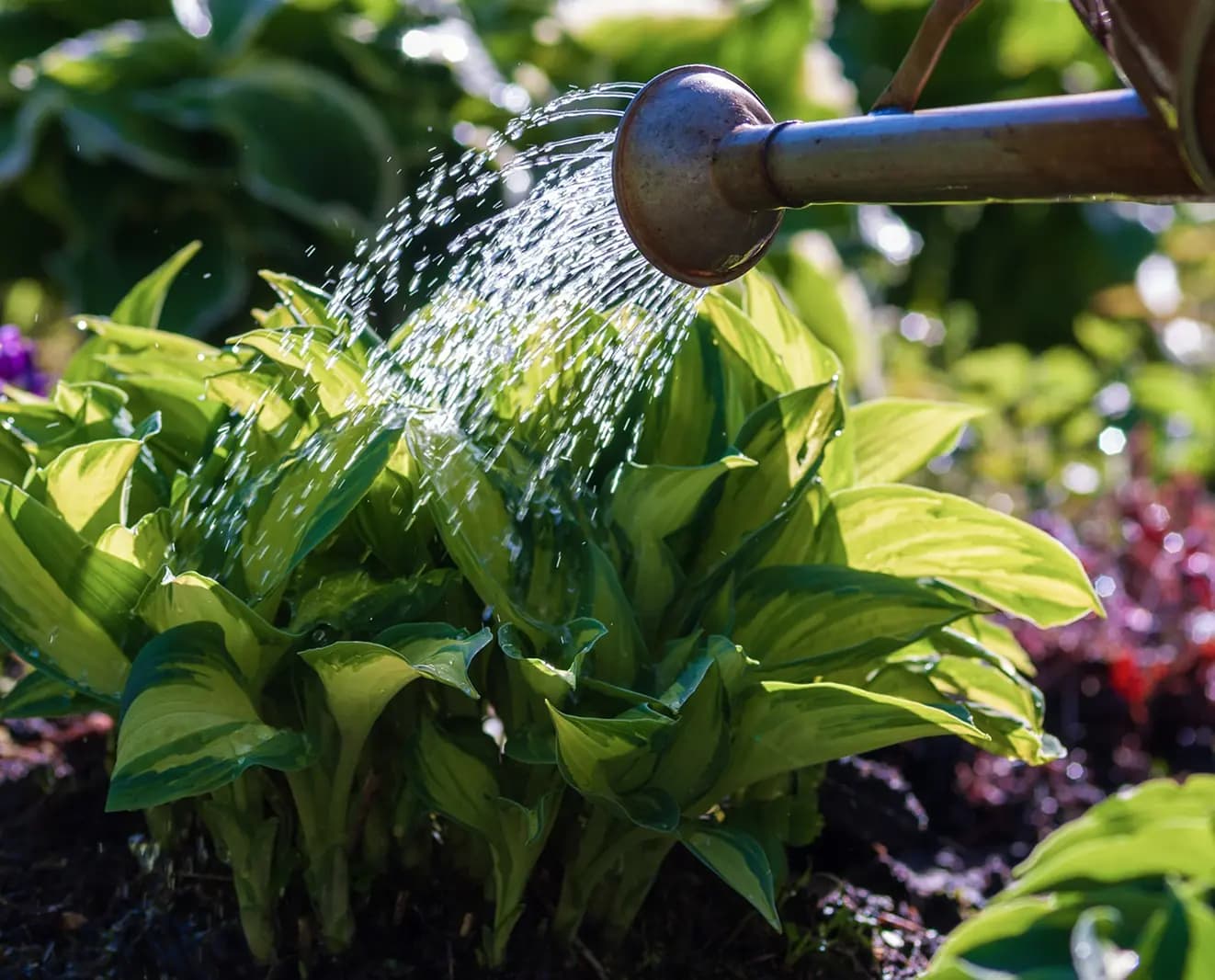
Watering a plant with a copper watering can
Best Fertilizer for Vegetable Gardens – What to Use for Each Plant

11 min read · 20 Jul 2026

Best Fertilizer for Vegetable Gardens – What to Use for Each Plant

Here, you’ll find the right fertilizer formula for vegetables in your garden. Learn how to adjust feeding correctly throughout the growing cycle, spot nutrient deficiencies by their symptoms, and keep your plants healthy and prolific.

Plant Recommendations
Best Fertilizer for Vegetable Gardens – What to Use for Each Plant
What Plants Don't Like Epsom Salt?

11 min read · 29 Jul 2026

What Plants Don't Like Epsom Salt?

Learn which plants can be seriously damaged by Epsom salt and which will thrive on it. We’ll explain when and how to use it properly, provide tips for indoor & outdoor plants — read on and enjoy a healthy garden.

Plant Care
What Plants Don't Like Epsom Salt?
Banana Peel Water for Plants: 5 Things to Know Before Trying It

5 min read · 9 Jul 2026

Banana Peel Water for Plants: 5 Things to Know Before Trying It

Banana water can provide potassium and some nutrients that may support plant growth, but it is not a universal fix. Use it carefully and only when the plant actually shows signs of nutrient deficiency rather than as a routine treatment.

Plant Care
Banana Peel Water for Plants: 5 Things to Know Before Trying It