Tuber as Water Reserve
The storage roots of Ipomoea batatas hold substantial water along with starch, helping the plant bridge short dry spells without immediate rainfall or irrigation.

This page explains when, how often, and how much to water Ipomoea batatas for steady, healthy growth.

Water Requirements
Moderate Water

Native to warm, seasonally rainy regions, sweet potato prefers steady moisture during active growth, not prolonged drought. Ipomoea batatas generally grows best when soil never stays waterlogged, yet does not fully dry for long.
In the ground, watering sweet potato supports deep, spreading roots under evenly moist conditions. In containers, moisture swings are faster, so monitoring soil more closely is key to how to water sweet potato effectively.
Allow the top 1–2 inches (3–5 cm) of soil to dry before watering again, indoors or in containers. This usually means watering about every 5–10 days in warm, bright conditions. Hot outdoor weather or small pots shorten the interval, while cooler rooms or lower light extend it.
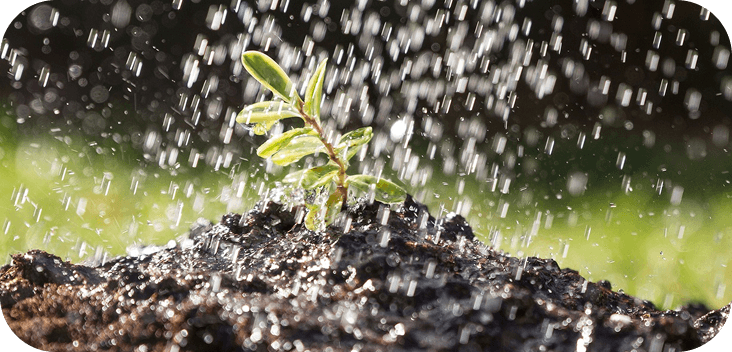
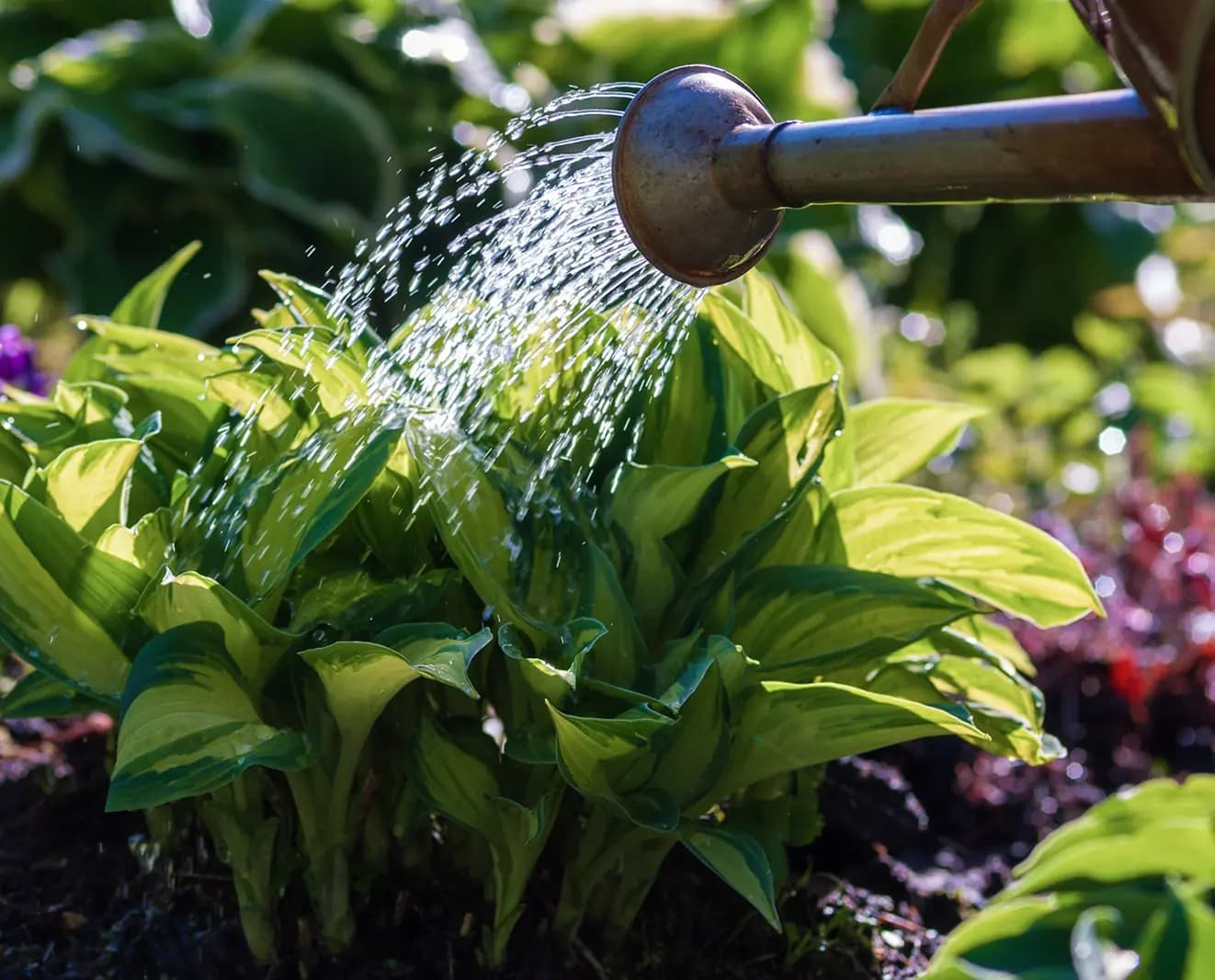
Water sweet potato when the top 1-2 inches (3-5 cm) of soil feel dry, using slow, deep, even soaking.
Incorrect moisture levels can stress Ipomoea batatas, leading to several avoidable growth and health problems.
Older foliage turns pale yellow and drops due to prolonged soggy soil and reduced root function.
Limp vines despite damp substrate often indicate oxygen-starved, decaying roots from chronic overwatering.
Storage roots remain small and misshapen when watering is frequent, shallow, or highly inconsistent.
Roots develop surface splits after a dry spell followed by sudden, heavy watering or rainfall.
Keep soil consistently moist but never waterlogged, reducing frequency as roots and storage organs mature.
Poor watering habits can weaken Ipomoea batatas, limiting tuber development and leafy growth even when light and nutrients are adequate.
Support healthy vines and tubers by using draining soil, breathable containers, and moisture-based watering instead of fixed routines.
Watering Check
Not sure if your plant needs water? Check its watering needs inside the app.
Use Botan for a clear watering guide and care procedures tailored to sweet potato. The app can also review plant photos to help notice early signs of stress or disease.
The storage roots of Ipomoea batatas hold substantial water along with starch, helping the plant bridge short dry spells without immediate rainfall or irrigation.
Ipomoea batatas is highly sensitive to waterlogged soils, where lack of oxygen around the tubers and fine roots quickly favors rot-causing fungi and bacteria, reducing yield and storage quality.
Field studies show that moderate, evenly distributed rainfall during early growth of Ipomoea batatas supports root initiation, while excess rain later in the season can reduce storage root quality and increase cracking and disease pressure.
Drooping right after watering usually means roots lack oxygen from saturated soil. Allow excess water to drain, then let the top layer dry slightly before the next session to prevent root stress and potential rot.
Botan evaluates your watering pattern to show if it matches the plant’s needs.
4 min read · 14 Sept 2026
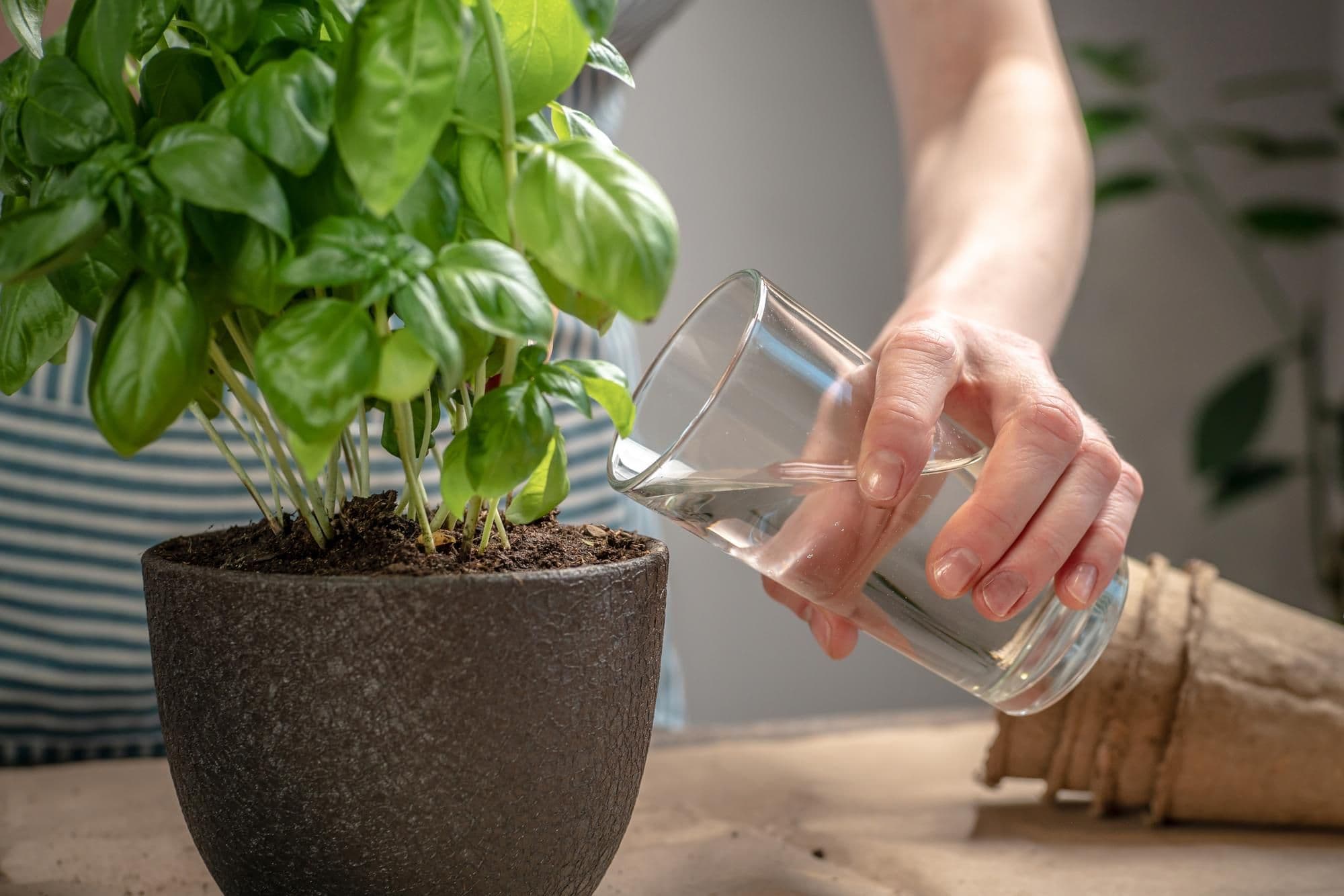
Sugar water may sound like an easy boost, but most rooted plants do not need extra sucrose. This guide explains how green tissues produce carbohydrates, when a sweetened solution can be useful, and why too much can cause problems.
9 min read · 17 Jul 2026
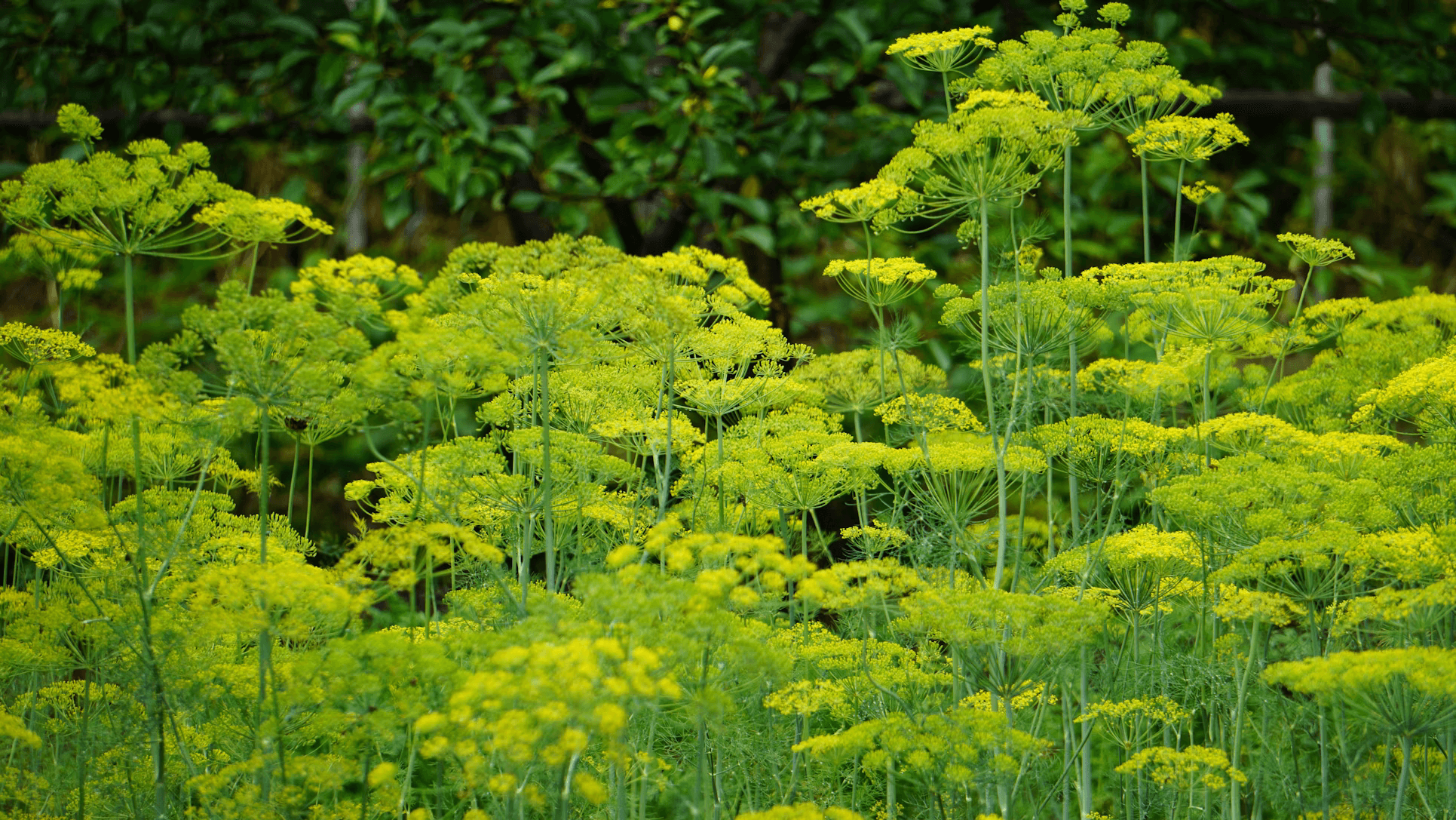
Dill is an easy-to-grow plant that gets along well with many vegetables. This guide describes 15 plants that can be planted alongside it, a few to avoid, and mistakes that can quietly sabotage the entire process.
12 min read · 7 Aug 2026
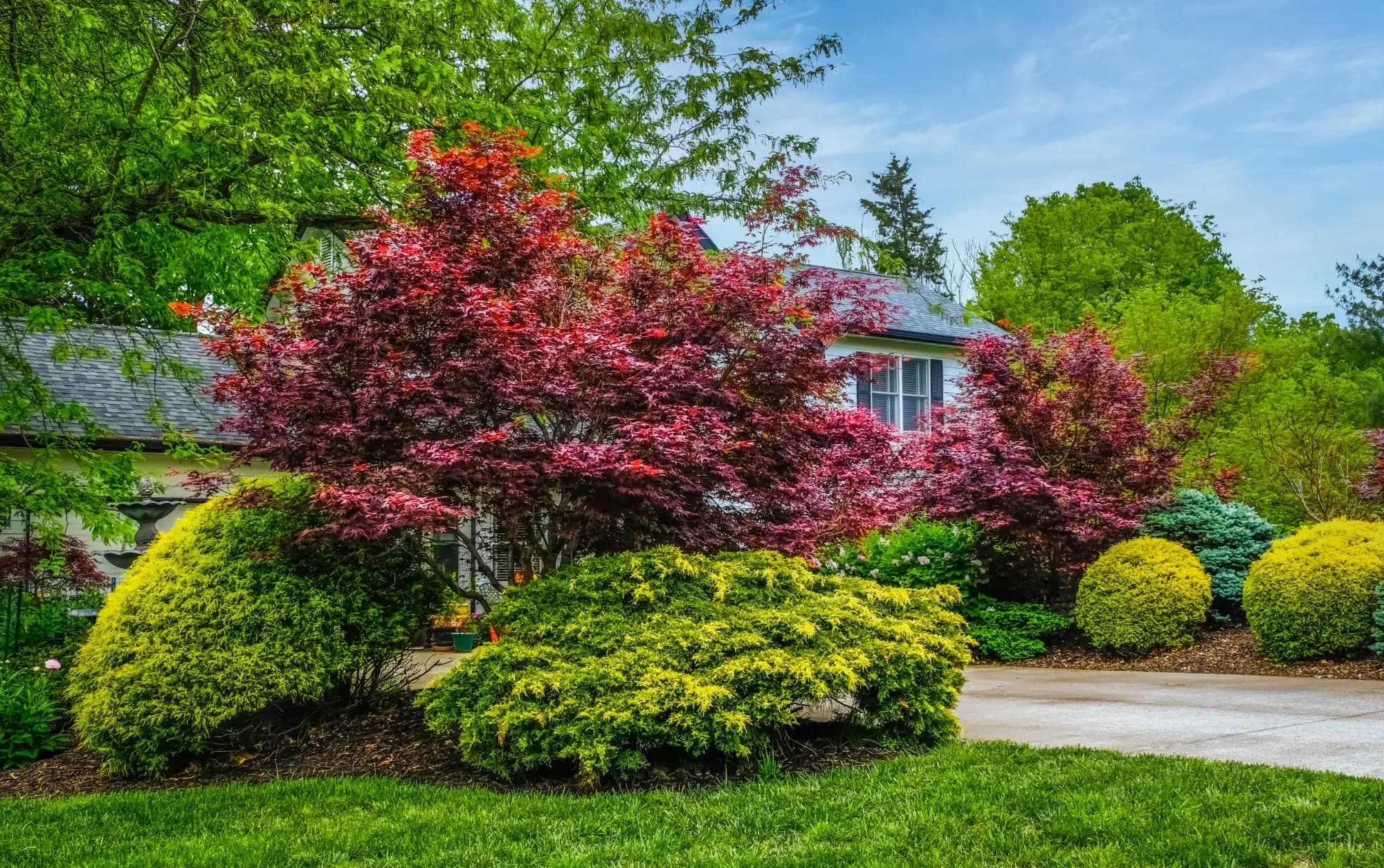
A front yard tree can stay for decades. Therefore, choosing one deserves serious consideration. Here are 13 trees that have proven themselves, sorted by their purpose. You'll also find five species to avoid and basic planting information.