Swiss Chard Care (Beta vulgaris var. cicla)

Also known as: Chard, Silverbeet, Mangold
Swiss Chard

About Swiss Chard

Swiss chard, Beta vulgaris var. cicla, is a leafy biennial grown as an annual vegetable for its tender leaves and colorful stems. It belongs to the same species as beetroot but is selected for strong leaf growth rather than swollen roots.

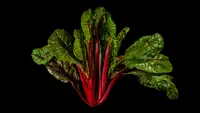
Plants form upright rosettes with broad, glossy leaves and stems that may be white, yellow, pink, or deep red. It likely originated in the Mediterranean region and is now widely cultivated in home gardens and small urban plots.

Swiss chard is generally easy to grow, tolerant of cool weather, and productive over a long season. It prefers sun, consistent moisture, and fertile, well-drained soil, which simplifies how to care for Swiss Chard for beginner gardeners.

Main Plant Requirements

Care Difficulty

Moderate Care

Light Preference

Full Sun

Water Requirements

Regular Water

Temperature Preference

Cool Climate

Hardiness Zone

2–11

Soil Texture

Sandy, Loamy, Silty

Soil pH

Acidic (5.5–6.5), Slightly acidic (6.5–7.0)

Soil Drainage

Moist but well-drained

Fertilization

Moderate (every 2–4 weeks)

Get Personalized Care Plan

Scan your plant to receive care tips personalized for your specific plant

Available on iOS and Android

How to Care for the Swiss Chard

Leafy growth is strongest when this crop receives consistent, moderate sun exposure.

  • Provide 4–6 hours of direct sun daily, ideally morning sun, with light afternoon shade in hotter regions to reduce leaf scorch.
  • Tolerates partial shade (2–4 hours direct sun) but stalks may be thinner and colors less intense; good for midsummer or very hot climates.
  • Avoid intense, unfiltered afternoon sun above 85°F (29°C); use taller crops or shade cloth to protect Swiss Chard in peak summer.

Steady soil moisture supports tender, non-bitter leaves and reduces stress in this plant.

  • Water when the top 3–5 cm of soil feels dry, aiming for evenly moist but never soggy soil around the root zone.
  • Use well-drained soil or raised beds so excess water runs off; yellowing, limp leaves and sour smell indicate overwatering and poor drainage.
  • In hot, dry weather, expect more frequent watering and monitor for wilting or dry, crispy edges, which signal that Beta vulgaris var. cicla needs moisture.

This cool-season crop grows best in mild, stable temperatures without extremes of heat or frost.

  • Optimal growth occurs at 60–75°F (16–24°C), which supports steady leaf production and reduces bolting, the rapid shift to flowering.
  • Tolerates light frost down to about 28°F (-2°C), but repeated freezes damage outer leaves; mulch can buffer short cold snaps.
  • In hot spells above 85°F (29°C), growth slows and bolting risk increases, so provide shade and consistent moisture during midsummer.

Humidity is rarely a limiting factor for Swiss Chard grown outdoors or on balconies.

  • Aim for ambient outdoor humidity around 30–60%, which suits foliage and reduces fungal risk.
  • Plants tolerate dry air if soil moisture is kept steady, but leaf edges may crisp in very arid, windy sites.
  • If leaf tips brown in prolonged dry, hot weather, group containers together or place near a water source to slightly raise local humidity.

This leafy crop prefers loose, fertile, well-drained soil that holds moisture without becoming waterlogged.

  • Use a loamy structure with plenty of organic matter; mix native soil or potting mix with 25–40% compost for Beta vulgaris var. cicla.
  • Maintain pH around 6.0–7.5; lime acidic soils cautiously and avoid extremes below 5.5 or above 8.0.
  • Improve drainage and aeration by incorporating coarse sand or perlite at 10–20% of the volume, especially in heavy clay areas.
  • Avoid compacted, soggy, or very stony ground, which restricts root expansion and leads to shallow, stress-prone plants.

This species is well suited to container growing on patios, balconies, and small gardens.

  • Select a container at least 25–30 cm deep to allow strong taproot development and consistent moisture storage.
  • Choose a wider pot rather than narrow and tall, so the plant canopy is stable and less likely to rock in wind.
  • Opt for heavier clay or ceramic pots in windy spots to prevent tall, leafy plants from tipping as foliage mass increases.

This leafy crop benefits from steady but moderate nutrition for continuous harvests.

  • Apply balanced liquid fertilizer (for example 10-10-10) at 1/2 strength every 2–3 weeks during active growth.
  • In rich garden soil, use compost or well-rotted manure instead of frequent synthetic feeding when growing Swiss Chard.
  • Avoid high-nitrogen spikes; maintain even moisture so nutrients are absorbed consistently.
  • Stop or greatly reduce feeding in late fall and winter, especially in cold climates.

Light pruning helps maintain healthy, productive Beta vulgaris var. cicla plants.

  • Harvest outer leaves first, cutting them at the base while leaving the central growing point intact.
  • Remove yellowing, damaged, or pest-affected leaves whenever noticed to limit disease spread.
  • Thin crowded seedlings to 20–30 cm spacing to improve airflow and leaf size.
  • Use clean, sharp scissors or a knife and avoid tearing tissue, which can invite infections.

This plant is usually grown in beds or large containers and benefits from careful transplanting rather than frequent repotting.

  • Transplant seedlings outdoors after frost when they have 2–3 true leaves and roots hold the soil plug.
  • Choose a site or container with deep, loose soil; growth slows if roots circle or hit compacted layers.
  • Handle seedlings by their leaves, not stems, and water immediately after planting to reduce root stress.
  • Expect to transplant only once per crop cycle, then grow to harvest without further disturbance.

New plants are most commonly raised from seed rather than vegetative methods.

  • Sow seeds of Beta vulgaris var. cicla in early spring or late summer, depending on climate.
  • Plant seeds 1–2 cm deep in loose, moist soil at 50–77°F for reliable germination.
  • Keep the seedbed consistently damp but not waterlogged until seedlings establish.
  • Thin clusters so that only the strongest seedlings remain at the desired spacing.

In mild climates this crop can overwinter with minimal care, but harsh winters require more attention.

  • Plants tolerate light frosts but are damaged by hard freezes below about 20°F.
  • In ground, apply 5–8 cm of straw or leaf mulch around the base to insulate roots.
  • Use row covers or low tunnels to shield foliage from freezing winds and ice.
  • Move containers into an unheated garage, cold frame, or sheltered porch in very cold regions.

Care Tips

Staggered Succession Sowing

Sow small batches every 2–3 weeks instead of one large planting so plants stay productive and you always have young, tender leaves ready for harvest.


Cut‑and‑Come‑Again Harvesting

Harvest outer leaves with a clean cut 2–3 cm above the crown, leaving the central growing point intact so plants continue producing new foliage for many weeks.

Shade Net for Summer

In hot climates, install 20–30% shade cloth over beds during the hottest weeks to reduce heat stress, leaf scorch, and bolting while still maintaining strong growth.

Row Covers for Pest Block

Use lightweight insect netting or floating row covers from emergence to protect plants from leaf miners, flea beetles, and aphids, making sure the fabric is supported so it does not press on the leaves.

Targeted Leaf Selection

Prioritize harvesting larger, outer leaves and leave several healthy mid‑sized leaves on each plant so energy production stays high and overall yield improves when growing Swiss Chard.

Common Pests and Diseases

Leaf miner

This pest tunnels inside Swiss chard leaves, creating pale, winding trails and blotches that make foliage unattractive and reduce vigor.

Solution

Remove and destroy infested leaves as soon as trails appear to break the life cycle, and use fine insect netting or row covers over young plants to prevent egg‑laying. In heavy infestations, apply a spinosad-based spray directed to the leaf surface in the evening, following label directions and avoiding sprays when bees are active.

Flea beetles

These insects chew many tiny round holes in young leaves, which can stunt seedlings and reduce harvest quality.

Solution

Use floating row covers to keep beetles off seedlings, and keep the soil surface moist and weed-free to reduce hiding places. For persistent problems, apply insecticidal soap or a neem oil product to both leaf surfaces, repeating as needed according to label directions.

Downy mildew

This disease causes yellow to light-green patches on the upper leaf surface with grayish to purplish fuzz underneath, especially in cool, humid conditions.

Solution

Remove and discard affected leaves, and improve airflow by increasing spacing between plants and watering at soil level rather than overhead. Rotate crops each year and, if conditions stay humid, use a copper-based fungicide labeled for leafy greens, applied in the early stages of infection.

Cercospora leaf spot

Symptoms include small circular spots with tan to gray centers and dark borders that can merge and cause larger dead areas in the leaves.

Solution

Promptly remove and destroy spotted leaves to reduce spore spread, and avoid wetting foliage by using drip irrigation or careful hand watering. Practice 2–3 year crop rotation away from other beets and chard, and apply a labeled fungicide at the first sign of spotting if the disease progresses quickly.

Aphids

These insects cluster on leaf undersides and stems, sucking sap and causing curling, distortion, and sticky honeydew that can attract sooty mold.

Solution

Spray leaves with a strong stream of water to dislodge colonies, focusing on the undersides. For continued infestations, use insecticidal soap or neem oil, applied thoroughly and repeatedly, and encourage natural predators such as lady beetles by avoiding broad-spectrum insecticides when growing Swiss Chard.

Interesting Facts

Leaf and petiole diversity

Swiss chard has been selected to produce large, tender leaves and thick, colorful petioles (stalks) that can range from white and yellow to bright red, all within the same species. These colors come mainly from betalain pigments, the same pigment group found in beet roots.

Separated from beetroot

Although it is the same species as beetroot, this variety was domesticated primarily for leaf production rather than swollen roots. Over time, selection shifted resources to foliage and petioles, so Swiss chard forms only a slender taproot instead of a storage beet.

High nitrate accumulator

Swiss chard is known to accumulate relatively high levels of nitrates in its leaves, especially when grown in low light or with heavy nitrogen fertilization. These nitrates are part of its normal nitrogen metabolism but are one reason agronomists study fertilization and harvest timing in this crop.

Botan icon

Did you know?

In many traditional Mediterranean food systems, Swiss chard served historically as a cool-season stand-in for spinach, and was often grown in small household plots because it could be harvested repeatedly from the same plants over an extended period.

FAQs about Swiss Chard

All above-ground parts are edible, especially the leaves and colorful stalks. They are eaten raw or cooked and are rich in vitamins A, C, K, and minerals. Avoid using plants heavily contaminated with pests or chemicals.

Grow Healthy Plants with Botan Care

Keep your plants happy and healthy with plant identification, disease detection, and easy care guidance.

Botan plant care app — identify plants on mobile

Explore More Plants