


Use sturdy trellising
Install a 1.5–2 m tall, firmly anchored trellis or netting before sowing so vines can climb immediately, which improves airflow, reduces disease on foliage, and makes harvest easier.

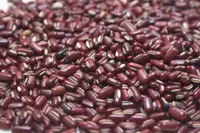
Rice bean, Vigna umbellata, is a warm-season legume grown for edible seeds, young pods, and as a soil-improving cover crop. It typically forms twining or trailing vines with trifoliate leaves and small yellow flowers that develop into slender pods.
This species is native to South and Southeast Asia but is now cultivated in many tropical and subtropical regions. It is valued for its tolerance of poor soils and variable rainfall, which makes it relatively forgiving to grow.
For home growers, rice bean prefers full sun, moderate moisture, and well-drained soil. Understanding how to care for rice bean helps keep growth vigorous and pod production reliable.

Care Difficulty
Moderate Care

Light Preference
Full Sun

Water Requirements
Moderate Water

Temperature Preference
Tropical / Frost Sensitive

Hardiness Zone
10–12

Soil Texture
Sandy, Loamy, Organic-rich

Soil pH
Acidic (5.5–6.5), Slightly acidic (6.5–7.0)

Soil Drainage
Well-drained

Fertilization
Minimal (feed rarely)
Scan your plant to receive care tips personalized for your specific plant
Available on iOS and Android
Vigna umbellata grows best in full sun but can handle light partial shade in hot regions.
Vigna umbellata prefers evenly moist, well-drained soil and copes better with brief drought than with standing water.
This warm-season legume needs sustained warmth and is highly sensitive to frost at any growth stage.
Humidity is rarely a limiting factor for Vigna umbellata, which handles a broad range of household and outdoor conditions.
Vigna umbellata prefers moderately fertile, loose, well-drained soil that never stays waterlogged.
This species grows reliably in containers if given enough root depth and stable support.
This nitrogen-fixing legume needs only light feeding in most garden soils, so fertilization supports yield rather than basic survival.
Pruning Vigna umbellata is minimal and mainly aims to maintain plant health and manageable growth.
This species is usually grown as an annual crop and is more often transplanted outdoors than repotted long term in containers.
Propagation is typically done from seed, which is straightforward and reliable for this annual legume.
This warm-season annual is not frost tolerant and normally completes its life cycle before winter in temperate climates.

Plant Health Check
Not sure what's wrong with your plant? Check your plant's health inside the app.
Rice bean often behaves as a short-duration annual that flowers and sets seed quickly when exposed to water stress, a strategy that allows it to complete its life cycle before severe drought damages the plant.
This species forms abundant nitrogen-fixing nodules with rhizobia bacteria on its roots, which can significantly enrich poor soils and reduce the need for synthetic nitrogen fertilizers in low-input farming systems.
Beyond its edible seeds, rice bean foliage is widely used as a green fodder and cover crop because the leaves and young stems are relatively high in protein compared with many other tropical legumes.

Rice bean has been identified as a promising underutilized crop for climate-resilient agriculture, and international research programs now use it in breeding efforts to improve stress tolerance and nutritional quality in other grain legumes.
This species is a twining vine that naturally climbs when given support but can also sprawl along the ground. Stems can reach several meters, so trellises, poles, or nearby plants usually help keep growth manageable.
Keep your plants happy and healthy with plant identification, disease detection, and easy care guidance.

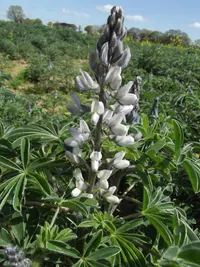
White Lupin
Lupinus albus
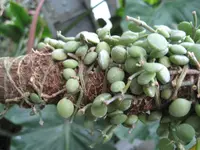
String of Nickels
Dischidia nummularia
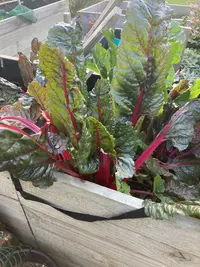
Beta vulgaris var. vulgaris
Beta vulgaris var. vulgaris
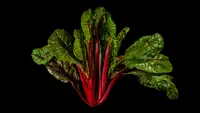
Swiss Chard
Beta vulgaris var. flavescens
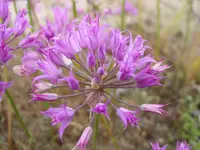
tapertip onion
Allium acuminatum

Krimson Queen Hoya
Hoya carnosa 'Tricolor'
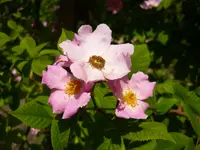
climbing rose
Rosa setigera
 POPULAR
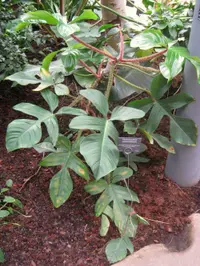
Philodendron squamiferum
Philodendron squamiferum