

Early vine training
Install a sturdy wire or mesh support before new shoots start in spring and gently tie young vines with soft ties every 20–30 cm so they climb in the desired direction instead of tangling in nearby shrubs.

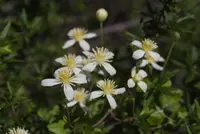
Pipestem clematis (Clematis lasiantha) is a woody, twining vine native to dry slopes and canyons of California and parts of the southwestern United States. It often scrambles over shrubs or fences, forming a light, open tangle of stems.
The plant produces clusters of creamy white, star-shaped flowers with showy stamens, followed by feathery seed heads that add seasonal interest. Its relatively drought-tolerant nature and preference for lean, well-drained soil reflect its origin in dry, sunny habitats.
This species is moderately easy to grow if its need for sun on the stems and cool, shaded roots is respected. Gardeners who understand how to care for pipestem clematis usually find it a durable, low-maintenance climber in suitable climates.

Care Difficulty
Moderate Care

Light Preference
Full Sun

Water Requirements
Moderate Water

Temperature Preference
Warm Climate

Hardiness Zone
7–10

Soil Texture
Sandy, Loamy, Rocky

Soil pH
Slightly acidic (6.5–7.0), Neutral (7.0)

Soil Drainage
Well-drained

Fertilization
Minimal (feed rarely)
Scan your plant to receive care tips personalized for your specific plant
Available on iOS and Android
This sun-loving native vine thrives in bright conditions but still benefits from some protection from intense heat.
This species prefers evenly moist, well-drained soil that never stays saturated for long periods.
This vine is adapted to mild, Mediterranean-type climates with moderate seasonal temperature shifts.
This species copes well with typical outdoor humidity and rarely needs special adjustment in most US climates.
Clematis lasiantha prefers loose, well-aerated, fast-draining mineral soils that still hold some organic moisture near the root zone.
This vine can grow in containers if the pot is large, deep, and managed to keep roots cool and stable.
This native vine usually needs minimal feeding, but light fertilization can support flowering in cultivated pipestem clematis.
Thoughtful pruning keeps Clematis lasiantha healthy, safe, and within bounds without reducing its natural vigor.
This species is usually grown in the ground, so focus on careful transplanting rather than frequent repotting.
Clematis lasiantha is most often propagated by seed or semi-ripe cuttings taken in the growing season.
This vine is generally cold hardy in its native range and usually needs only modest winter care outdoors.

Plant Health Check
Not sure what's wrong with your plant? Check your plant's health inside the app.
This species is native to western North America, especially coastal and foothill habitats in California and Baja California, where it often scrambles over shrubs in chaparral and oak woodland communities.
Its spring flowers provide an important early-season nectar and pollen source for native bees, flies, and butterflies in dry coastal ecosystems where floral resources can be limited.
After flowering, it develops clusters of achenes (dry fruits) with long silky styles that form showy, feathery plumes, aiding wind dispersal and giving the plant a distinctive fluffy appearance later in the season.

This species tolerates the hot, dry summers typical of Mediterranean-type climates by concentrating most of its active growth and flowering in cooler, moister months, then reducing growth as drought stress increases, an adaptation that helps it persist on rocky slopes and shallow soils.
This species is best grown outdoors, where it receives strong light, air movement, and natural temperature shifts. Pipestem clematis indoor care is challenging long term, so containers are usually kept outside and only sheltered temporarily if needed.
Keep your plants happy and healthy with plant identification, disease detection, and easy care guidance.

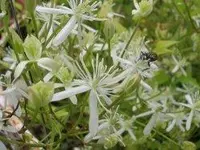
ground virginsbower
Clematis recta
 POPULAR
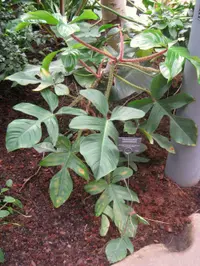
Philodendron squamiferum
Philodendron squamiferum
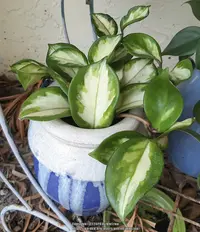
Krimson Princess Hoya
Hoya carnosa 'Rubra'
Krimson Queen Hoya
Hoya carnosa 'Tricolor'
Solitary Virgin's-bower
Clematis integrifolia
yellow honeysuckle
Lonicera flava
banana passionfruit
Passiflora tripartita
Chinese Bramble
Rubus tricolor