yellow honeysuckle Care (Lonicera flava)

yellow honeysuckle

About yellow honeysuckle

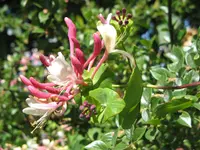
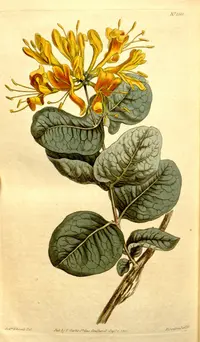
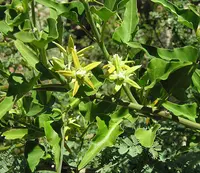
Yellow honeysuckle (Lonicera flava) is a deciduous, twining vine known for its tubular golden flowers and light fragrance. It typically climbs over supports or sprawls through shrubs. Native to the central and southeastern United States, it is often found on wooded slopes, thickets, and rocky outcrops. The plant offers nectar for pollinators and attractive berries for wildlife. This species is generally considered moderate in difficulty, as it prefers a stable outdoor position and space to climb. It grows best in full sun to light shade with evenly moist, well-drained soil, which helps guide how to care for yellow honeysuckle.

Main Plant Requirements

Care Difficulty

Easy Care

Light Preference

Full Sun

Water Requirements

Moderate Water

Temperature Preference

Cold Hardy

Hardiness Zone

4–8

Soil Texture

Sandy, Loamy, Clay

Soil pH

Acidic (5.5–6.5), Slightly acidic (6.5–7.0)

Soil Drainage

Moist but well-drained

Fertilization

Minimal (feed rarely)

Get Personalized Care Plan

Scan your plant to receive care tips personalized for your specific plant

Available on iOS and Android

How to Care for the yellow honeysuckle

This deciduous vine thrives in bright outdoor light with a balance of sun and shade.

  • Provide 4–6 hours of direct sun daily, ideally morning sun with light afternoon shade in hotter regions to protect foliage from scorch.
  • Tolerates partial shade, but flowering on yellow honeysuckle is stronger in sites with at least half-day sun and open exposure rather than dense shade.
  • In summer, avoid intense reflected heat from walls or paving; in cooler seasons, a south or west-facing position helps maximize light and extend the bloom period.

This species prefers consistently moist but not saturated soil once established outdoors.

  • Allow the top 3–5 cm of soil to dry before deep watering, ensuring moisture reaches the root zone rather than just the surface layer.
  • Use well-drained soil; standing water or heavy clay can cause root rot, yellowing leaves, and weak growth in Lonicera flava.
  • In hot, dry periods, increase watering frequency if leaves wilt or new growth droops by midday; in cool or rainy seasons, reduce frequency to avoid soggy conditions.

This hardy vine tolerates a wide outdoor temperature range typical of temperate climates.

  • Active growth and flowering are strongest at 60–80°F (16–27°C), with roots kept cool by mulch or nearby groundcover plants.
  • Established plants usually tolerate winter lows near -10°F (-23°C), but young vines benefit from mulch over the root zone in colder areas.
  • In heat waves above 90°F (32°C), provide extra water and some afternoon shade to limit stress, leaf scorch, and premature leaf drop.

This species tolerates a wide humidity range and usually does not need special air moisture management outdoors.

This vine prefers moderately fertile, well-drained soil that still holds some moisture.

  • Use a loamy soil with a mix of mineral particles and organic matter so roots can anchor and access moisture without becoming waterlogged.
  • Aim for slightly acidic to neutral pH around 6.0–7.0, which supports nutrient availability for Lonicera flava.
  • In planting beds, blend native soil with 20–30% compost to improve structure, water retention, and nutrient supply.
  • Avoid heavy, compacted clay or spots where water pools after rain; add coarse sand or fine gravel to improve drainage if needed.

This species can grow successfully in containers if the pot supports its vigorous, climbing habit.

  • Choose a deep, heavy container so the root system anchors securely and the vine does not tip when supported on a trellis or rail.
  • Select a pot material such as thick ceramic that slows moisture loss, since containers dry faster than in-ground soil.
  • Raise the container slightly on feet or bricks so drainage holes release water quickly and roots are not exposed to standing moisture.

This native vine needs modest feeding, as many wild shrubs do, but responds well to light nutrient support during active growth.

  • Use a balanced slow-release fertilizer (for example 10-10-10) or a thin layer of compost in early spring for yellow honeysuckle.
  • Feed every 6–8 weeks through late summer, adjusting for soil richness and plant vigor.
  • Apply at half the label rate for container plants, and water deeply afterward to prevent root burn.
  • Stop feeding in fall and winter to allow natural dormancy and prevent soft, frost-tender growth.

Thoughtful pruning keeps Lonicera flava flowering well and prevents it from becoming tangled or invasive in small spaces.

  • Prune soon after main flowering flush in late spring to early summer, before next season’s buds form.
  • Remove dead, damaged, or crossing stems back to healthy wood with clean, sharp bypass pruners.
  • Thin congested older stems at the base to improve air flow and light penetration through the vine.
  • Shorten overly long shoots to maintain desired size and support structure, encouraging bushier side growth.

This honeysuckle is usually grown in the ground, so focus on thoughtful site transplanting rather than frequent repotting.

  • Plan major transplants for early spring or early fall, when temperatures are mild and soil moisture is stable.
  • Move plants showing poor vigor, severe crowding, or girdling roots circling a container wall.
  • Dig a wide root ball, disturb roots minimally, and set the crown at the same depth in the new site.
  • Water thoroughly after transplanting, then keep soil evenly moist and shaded for 1–2 weeks to reduce transplant shock.

Lonicera flava is commonly propagated for landscape use using simple vegetative and seed methods.

  • Take 10–15 cm softwood cuttings in late spring, use a rooting hormone, and place in moist, well-drained medium under bright, indirect light.
  • Use simple layering in spring: bend a flexible stem to the soil, pin it down, cover with soil, and sever once roots form.
  • Sow fresh seeds outdoors in fall or cold-stratify them for 2–3 months before spring sowing to improve germination.
  • Keep all propagules evenly moist, not waterlogged, and label parent plants to track vigor and disease resistance.

This species is generally cold hardy in much of its range and needs only modest winter attention in the landscape.

  • In cold climates, apply a 5–8 cm mulch layer over the root zone after the ground cools to buffer freeze–thaw cycles.
  • Avoid heavy pruning late in fall so stems harden properly before sustained freezes.
  • For container-grown plants, move pots to a sheltered, unheated but frost-moderated spot such as a garage or cold frame.

Care Tips

Early support training

Install a sturdy trellis or wires at planting time and loosely tie new shoots with soft ties so vines climb vertically instead of sprawling and shading their own lower growth.

Selective cane renewal

Every 2–3 years, remove 1–3 of the oldest, thickest stems at the base in late winter to stimulate vigorous new flowering canes and maintain an open, well-aerated framework.

Root-zone mulching

Apply a 5–8 cm layer of composted bark or wood chips over the root zone, keeping mulch 5–8 cm away from the stems, to keep roots cool, conserve moisture, and reduce weed competition.

Targeted pest monitoring

From spring through midsummer, check the undersides of young leaves weekly for aphids and mites and wash small infestations off with a firm water spray before considering any treatments.

Flowering boost placement

When planning how to take care of yellow honeysuckle in a mixed border, position it where the base is lightly shaded by low perennials but the upper growth can reach full sun, which often improves both flower display and overall vigor.

Common Pests and Diseases

Honeysuckle aphids

This pest feeds on young shoots and leaf undersides, causing curling, yellowing, and distorted new growth, often with sticky honeydew and sooty mold on leaves and stems.

Solution

Prune off heavily infested shoot tips, then spray all surfaces with a strong jet of water every few days to dislodge colonies. If needed, treat with insecticidal soap or a light horticultural oil, applied in the early morning or evening and repeated according to label directions while monitoring beneficial insects such as lady beetles.

Honeysuckle leaf blight

This disease causes tan to brown leaf spots that can merge into large dead areas, often starting on lower, shaded foliage and moving upward in humid, crowded conditions.

Solution

Remove and dispose of affected leaves and fallen debris to reduce fungal spores, and improve air movement by thinning congested stems. Avoid overhead watering, irrigate at the base in the morning, and, in severe cases, apply a labeled ornamental fungicide early in the season when new leaves emerge.

Powdery mildew

This disease produces a white to gray powdery coating on upper leaf surfaces, which can lead to leaf distortion, early leaf drop, and reduced flowering on stressed vines.

Solution

Increase airflow by selective pruning and avoid high-nitrogen fertilization that promotes soft, mildew-prone growth. Water at soil level, keep foliage dry, and use a sulfur or potassium bicarbonate fungicide labeled for ornamentals if symptoms persist, starting at the first sign of infection.

Honeysuckle scale

These insects appear as small, hard, bump-like coverings on stems and older wood, sucking sap and causing gradual decline, sparse foliage, and poor flowering.

Solution

Prune out and destroy heavily infested stems, then gently scrub remaining scale with a soft brush if practical. During the crawler stage in late spring to early summer, apply horticultural oil or insecticidal soap thoroughly to stems, repeating as directed and monitoring for reinfestation as part of long-term Lonicera flava care.

Interesting Facts

Ozark limestone specialist

This species is naturally restricted to limestone and dolomite bluffs and rocky slopes of the Ozark region in the central United States, where its roots anchor into shallow, alkaline soils that many other shrubs cannot tolerate.

Opposite-leaved shrub

Unlike many familiar honeysuckles that are twining vines, this species is a non-climbing, upright shrub with distinctly opposite leaves and showy tubular flowers borne mostly at the ends of new shoots.

Fragrant spring display

Its rich yellow, tubular flowers appear in late spring, often before the canopy above fully leafs out, providing an early nectar resource for hummingbirds and native bees in open woodland edges.

Botan icon

Did you know?

This species is considered regionally uncommon and is largely confined to high-quality, relatively undisturbed habitats in the Ozarks, so botanists sometimes use its presence as an indicator of intact, native limestone woodland and bluff communities.

FAQs about yellow honeysuckle

Lack of flowers often comes from too much shade, heavy pruning at the wrong time, or excess nitrogen fertilizer. Ensure strong light, avoid cutting off last year’s growth, and use a balanced, low-nitrogen fertilizer.

Grow Healthy Plants with Botan Care

Keep your plants happy and healthy with plant identification, disease detection, and easy care guidance.

Botan plant care app — identify plants on mobile

Explore More Plants