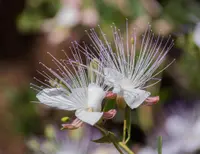
two-wing silverbell Care (Halesia diptera)

two-wing silverbell

About two-wing silverbell

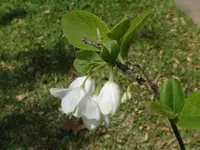
Two-wing silverbell (Halesia diptera) is a small deciduous tree or large shrub valued for its delicate spring flowers. It typically forms a rounded crown with layered, slightly arching branches. In mid to late spring, it bears clusters of white, bell-shaped flowers that hang beneath the branches, followed by distinctive two-winged fruits. This species is native to the southeastern United States, where it grows in moist woodlands and along streams. It usually prefers partial sun, consistent moisture, and well-drained, slightly acidic soil. Gardeners who learn how to care for two-wing silverbell will find it a relatively low-maintenance ornamental tree in suitable climates.

Main Plant Requirements

Care Difficulty

Moderate Care

Light Preference

Partial Shade

Water Requirements

Regular Water

Temperature Preference

Cold Hardy

Hardiness Zone

6–9

Soil Texture

Loamy, Sandy, Organic-rich

Soil pH

Acidic (5.5–6.5), Slightly acidic (6.5–7.0)

Soil Drainage

Moist but well-drained

Fertilization

Minimal (feed rarely)

Get Personalized Care Plan

Scan your plant to receive care tips personalized for your specific plant

Available on iOS and Android

How to Care for the two-wing silverbell

This deciduous understory tree prefers bright, gentle light rather than intense, all-day sun.

  • Provide 4–6 hours of morning sun with light afternoon shade; dappled light under taller trees suits two-wing silverbell well.
  • In hot climates, protect from harsh sun after 1–2 p.m. to prevent leaf scorch and premature leaf drop.
  • In cooler regions, it tolerates more direct sun, but watch for pale, sparse foliage as a sign of insufficient light under deep shade.

This species prefers consistently moist but not saturated soil, especially during establishment.

  • Water when the top 3–5 cm of soil feels dry, applying a slow, deep soak so moisture reaches the root zone without creating puddles.
  • Reduce watering frequency in fall and winter, but do not allow the soil to become bone dry, particularly in its first 2–3 years.
  • Use well-drained, loamy soil; yellowing soft leaves suggest overwatering, while curling or browning leaf edges indicate the Halesia diptera is too dry.

This small tree is a temperate species with good cold tolerance once established.

  • Optimal growth occurs around 60–80°F (16–27°C) during the growing season, with cool winters promoting normal dormancy.
  • It tolerates winter lows near 0°F (−18°C) once mature, but young trees benefit from mulch over the root zone in colder areas.
  • During summer heat above 90°F (32°C), provide soil moisture and light shade to limit stress, leaf scorch, and premature leaf drop.

Humidity is not a major limiting factor for Halesia diptera in most outdoor garden settings.

Halesia diptera prefers evenly moist, well-aerated ground that stays loose and slightly acidic.

  • Use a deep loamy soil with a mix of mineral particles and organic matter so roots anchor and breathe well.
  • Aim for pH 5.0–6.5; in alkaline sites, incorporate acidic composted bark or leaf mold before planting.
  • Blend 30–40% compost into native soil to improve moisture retention while keeping a crumbly structure.
  • Avoid heavy, compacted clay or sites where water stands after rain; raise the planting area or amend with coarse sand and fine pine bark to improve drainage.

This species is only moderately suited to container growing and performs best when the container mimics deep, cool garden soil.

  • Choose a tall, heavy container that resists tipping as the plant gains height and develops a woody framework.
  • Use a deep, bark-enriched loam-based mix so roots can extend downward without circling tightly near the surface.
  • Position the pot where the container wall is shaded to keep root temperatures lower and reduce moisture stress in summer.

This native tree grows reasonably well in average garden soil, but light feeding supports better flowering and growth.

  • Apply a balanced slow-release fertilizer (around 10-10-10) once in early spring as new growth begins.
  • Use a light rate, at roughly half the label recommendation, to avoid stimulating overly lush, weak growth.
  • Supplement with a thin layer of compost over the root zone each spring, keeping it away from the trunk.
  • Stop feeding two-wing silverbell by late summer and avoid fertilizing during winter dormancy.

Halesia diptera benefits from modest, well-timed pruning to maintain structure and flowering quality.

  • Time structural pruning for late winter to very early spring before new growth starts.
  • Remove dead, damaged, crossing, or inward-growing branches with clean, sharp bypass pruners or a small pruning saw.
  • Thin congested interior shoots to improve light and air movement, which supports healthier foliage and flowers.
  • Limit cuts to smaller branches, preserving the natural, open form rather than creating heavy heading cuts.

This species is usually grown in the ground, so transplanting young trees correctly matters more than container repotting.

  • Transplant in late winter or early spring while the tree is dormant to reduce stress.
  • Choose a site with moist, well-drained, slightly acidic soil and space for mature spread.
  • Move only when necessary; signs include poor vigor or roots circling a nursery container before planting out.
  • Water deeply before and after transplanting, keep the root ball intact, and mulch 5–8 cm to conserve moisture.

Propagation of Halesia diptera is possible but tends to be slow and best suited to patient growers.

  • Grow from seed sown fresh in autumn, allowing natural cold stratification over winter outdoors.
  • Use a free-draining, slightly acidic seed mix and keep it evenly moist, not waterlogged, until germination.
  • Semi-hardwood cuttings taken in midsummer may root under high humidity with bottom heat and rooting hormone.
  • Label young plants clearly and grow them on in containers for 1–2 years before planting into a permanent site.

This is a cold-hardy deciduous tree that usually needs minimal winter care once established in suitable climates.

  • In colder regions, apply a 5–8 cm mulch layer over the root zone in late fall, keeping it off the trunk.
  • Young trees in exposed sites benefit from burlap windbreaks to reduce desiccation and bark injury.
  • Container-grown plants should be moved into a sheltered, unheated but frost-free or slightly protected spot for winter.

Care Tips

Root flare check

When planting or inspecting established trees, ensure the uppermost structural roots sit just at or slightly above soil level so the trunk flare is visible and not buried under mulch or soil, which reduces risk of rot and girdling roots over time.

Mulch for bloom

Maintain a 5–8 cm deep ring of coarse organic mulch out to the drip line, keeping it 5–8 cm away from the trunk, to moderate soil moisture and temperature and support better flowering consistency in spring.

Establishing wind firmness

In the first 2–3 years, remove low, weak, or crossing branches in late winter and favor a single central leader so the tree develops a balanced crown that resists wind and supports heavy bloom clusters.

Targeted pH management

If leaves show chronic yellowing between veins and soil pH is above 6.5, apply a soil sulfur product or other appropriate acidifying amendment according to label rates to keep conditions slightly acidic and improve nutrient uptake for Halesia diptera care.

Understory companion choice

Plant shallow-rooted, shade-tolerant groundcovers rather than turf directly under the canopy to reduce soil compaction around the root zone and maintain the cool, woodland-like conditions preferred when growing two-wing silverbell.

Common Pests and Diseases

Leaf spot

This disease causes small brown, tan, or purplish spots on leaves that may merge into larger blotches, leading to premature leaf drop in humid weather.

Solution

Prune out and discard heavily affected leaves and any dead twigs, improve air circulation by thinning crowded branches, avoid overhead watering, and if the problem is recurring, apply a copper-based or chlorothalonil fungicide in early spring according to label directions.

Powdery mildew

This disease produces a white or gray powdery coating on young leaves and shoots, which can cause leaf distortion and reduced vigor during warm, dry periods with high humidity.

Solution

Increase air movement by selective pruning, water at soil level to keep foliage dry, and treat persistent cases with a labeled ornamental powdery mildew fungicide such as a sulfur or potassium bicarbonate product applied at the first sign of symptoms.

Scale insects

These insects appear as small, immobile bumps on stems and sometimes leaves, feeding on sap and causing yellowing, stunting, and honeydew that can lead to sooty mold on two-wing silverbell.

Solution

Prune and dispose of heavily infested twigs, gently scrub accessible stems with a soft brush and soapy water, encourage natural predators such as lady beetles, and use a horticultural oil spray during the dormant season or at crawler stage following label instructions.

Borers

This pest group includes wood-boring larvae that tunnel into trunks or branches, leading to dieback, roughened bark, and small piles of sawdust-like frass at entry holes.

Solution

Keep the tree healthy through proper watering and mulching to reduce susceptibility, promptly prune and destroy affected branches, avoid trunk injury, and in high-pressure areas consider a preventive trunk or soil-applied systemic treatment timed to local borer flight periods as advised by an arborist.

Canker

This disease causes sunken, discolored areas on branches or the trunk that may crack and girdle the stem, leading to dieback of affected limbs.

Solution

Remove and destroy infected branches back to healthy wood during dry weather, disinfect pruning tools between cuts with alcohol or a 10% bleach solution, reduce plant stress by maintaining even soil moisture and mulch, and avoid wounding the bark to help prevent new infections.

Interesting Facts

Two-winged seed design

The species name diptera refers to its seeds, which are enclosed in a dry fruit with two distinct papery wings that aid in short-distance wind dispersal along stream corridors.

Floodplain specialist shrub

This species naturally occurs on moist to seasonally wet sites such as stream banks, river terraces, and wet flatwoods in the southeastern United States, showing a clear preference for acidic, well-drained yet moisture-retentive soils.

Subtle multi-stemmed habit

Unlike the larger Carolina silverbell, this species often grows as a large, multi-stemmed shrub or small understory tree, typically remaining under the forest canopy and forming part of the midstory layer.

Botan icon

Did you know?

In its native range, this species is considered uncommon to locally rare, with many populations restricted to relatively undisturbed, intact bottomland habitats, which makes habitat conservation important for long-term Halesia diptera plant care and preservation in the wild.

FAQs about two-wing silverbell

Lack of flowering usually comes from too much shade, heavy pruning at the wrong time, or stress from drought or poor soil. Allow full seasonal cycles, avoid pruning after flower buds form, and maintain consistent moisture and nutrition.

Grow Healthy Plants with Botan Care

Keep your plants happy and healthy with plant identification, disease detection, and easy care guidance.

Botan plant care app — identify plants on mobile

Explore More Plants