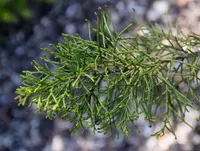
black tupelo Care (Nyssa sylvatica)

Also known as: Sour gum, Black Tupelo, Pepperidge, blackgum tree
black tupelo

About black tupelo

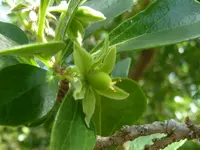
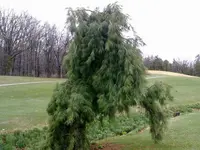
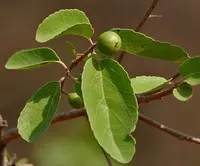
Black tupelo (Nyssa sylvatica) is a long-lived deciduous tree valued for its strong structure and striking seasonal color. It naturally forms a straight trunk with a narrow, pyramidal crown that becomes more spreading with age.

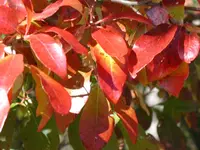
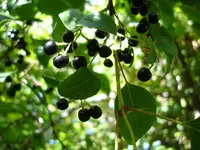
This species is native to eastern North America, where it grows in forests, bottomlands, and along streams. Its glossy green leaves turn vivid shades of red, orange, or purple in autumn, and small dark berries support wildlife.

Black tupelo is considered moderately easy to grow if its needs are met. It prefers full sun to light shade, consistent moisture, and acidic, well-drained soil, which guides how to care for black tupelo in gardens and landscapes.


Main Plant Requirements

Care Difficulty

Moderate Care

Light Preference

Full Sun

Water Requirements

Regular Water

Temperature Preference

Cold Hardy

Hardiness Zone

4–9

Soil Texture

Loamy, Clay, Organic-rich

Soil pH

Strongly acidic (4.5–5.5), Acidic (5.5–6.5)

Soil Drainage

Moist but well-drained

Fertilization

Minimal (feed rarely)

Get Personalized Care Plan

Scan your plant to receive care tips personalized for your specific plant

Available on iOS and Android

How to Care for the black tupelo

Nyssa sylvatica performs best in consistent, bright outdoor light that supports sturdy growth and strong fall color.

  • Provide 6–8 hours of direct sun daily in cool or mild climates; in hotter regions, aim for morning sun with light afternoon shade to limit leaf scorch.
  • Tolerates partial shade (around 3–4 hours of direct sun), but dense shade reduces flowering and weakens autumn color in black tupelo.
  • Newly planted trees benefit from filtered light or temporary shade cloth in their first summer to reduce stress and sunburn risk.

Nyssa sylvatica prefers evenly moist, deep soil but dislikes standing water.

  • After planting, keep soil consistently moist for the first 1–2 growing seasons, allowing only the top 2–5 cm to dry slightly between soakings.
  • Mature trees handle short dry spells, but drooping or curling leaves, crispy margins, and early leaf drop indicate the need for a slow, deep watering.
  • Avoid heavy, poorly drained sites; yellowing leaves, dieback of small twigs, or persistent soggy soil suggest overwatering or inadequate drainage.

This species is a hardy, outdoor tree adapted to temperate climates with cold winters and warm summers.

  • Active growth is strongest around 60–80°F (16–27°C), with good performance in typical spring and summer conditions across much of its range.
  • Established trees tolerate winter lows near -20°F (-29°C), but young specimens benefit from protection from drying winds and sudden hard freezes.
  • In hot spells above 90°F (32°C), maintain soil moisture and mulch the root zone to moderate temperature swings and reduce heat stress.

This species is flexible about humidity and thrives outdoors in typical temperate conditions.

  • Target 40–60% humidity, which matches most outdoor environments in its native range.
  • Black tupelo tolerates brief drier air but young trees may show marginal leaf browning and curled tips in prolonged dry, windy weather.
  • In unusually arid climates, group trees near other plantings or use mulch over the root zone to conserve moisture and reduce transpiration stress.

This tree prefers consistently moist, acidic, well-structured soil with ample organic matter.

  • Use a deep loamy soil rich in organic material like leaf mold or compost to mimic woodland conditions and support strong root development.
  • Aim for pH 4.5–6.5, avoiding alkaline soils, since high pH can cause nutrient lockout and leaf chlorosis.
  • Ensure slow to moderate drainage; the soil should stay evenly moist but not stagnant, so avoid compacted clay that holds standing water.
  • Improve structure and aeration by incorporating compost and fine pine bark into heavier soils, and avoid sandy mixes that dry out rapidly.

This species is generally unsuitable for long‑term container growing, except as a short-term patio specimen when young.

  • Use a very deep, heavy container to stabilize the developing taproot and prevent the tree from becoming wind‑rocked.
  • Position the pot where it will not overheat, since large dark containers can raise root‑zone temperatures and stress the plant.
  • Set the container on pot feet or bricks so gravity can pull excess water fully away from the drainage holes after heavy rain.

Nyssa sylvatica is a slow-growing native tree that usually needs only modest fertilization in typical garden soil.

  • Use a balanced slow-release fertilizer (for example 10-10-10) or a thin layer of compost in early spring for young trees.
  • Apply once per year during the growing season, focusing on the root zone out to the drip line.
  • Reduce or skip feeding in fall and winter when the tree is dormant and growth is minimal.
  • If using liquid fertilizer on container-grown plants, dilute to half strength to avoid root burn.

Nyssa sylvatica benefits from light, targeted pruning to maintain structure and health.

  • Schedule main pruning in late winter to very early spring before new growth starts.
  • Remove dead, diseased, crossing, or storm-damaged branches using clean, sharp bypass pruners or a pruning saw.
  • Thin crowded interior branches slightly to improve light penetration and airflow without opening the canopy too much.
  • Limit cuts to smaller branches to preserve the tree’s natural form and avoid large wounds.

This species is most often grown in the ground, so focus on careful transplanting rather than frequent repotting.

  • Transplant young trees in late fall or early spring when leafless and soil is workable, which reduces stress.
  • Look for signs such as circling roots in the nursery container or slow, stalled growth before moving a plant.
  • Handle the root ball gently, loosening only the outer circling roots and keeping most soil intact around fine roots.
  • Set the tree at the same soil level, water deeply, then mulch 5–8 cm away from the trunk to conserve moisture.

Nyssa sylvatica is typically propagated by seed or specialized nursery techniques, so home propagation is somewhat challenging.

  • Collect ripe fruits in fall, clean off pulp, and sow seeds after a cold stratification period of about 3–4 months at 34–41°F.
  • Use a deep tray or pots with a well-drained, slightly acidic medium and keep evenly moist, not waterlogged.
  • Semi-hardwood cuttings taken in midsummer need rooting hormone, bottom heat, and high humidity to have any success.
  • Layering low, flexible branches is occasionally possible, but rooting is slow and often limited.

This tree is generally cold hardy in much of its range and needs minimal winter care once established.

  • Mature trees tolerate typical winter frosts in suitable hardiness zones without extra covering.
  • Apply 5–8 cm of organic mulch over the root zone in late fall to moderate soil temperature and retain moisture.
  • Young or newly planted trees benefit from windbreaks or trunk wraps in exposed sites to reduce bark injury.
  • Container-grown specimens in cold regions should be moved into an unheated, sheltered space to prevent root freeze.

Care Tips

Root flare check

When planting or after a few years in the ground, gently pull back mulch and soil to make sure the upper roots and trunk flare sit just at or slightly above soil level, since buried flares greatly increase risk of decline in black tupelo over time.

Wind‑aware staking

Stake only young, newly planted trees in windy sites, placing 2–3 stakes outside the root ball with loose, flexible ties so the trunk can still move slightly, and always remove stakes after 1–2 years to prevent girdling and weak wood.

Autumn watering shift

In late summer and early fall, keep the soil evenly moist but not saturated and then gradually reduce watering just before leaf drop, which helps harden new growth and improves winter resilience when growing black tupelo.

Mulch for cool roots

Maintain a 5–8 cm layer of leaf mold, pine bark, or shredded hardwood mulch over the root zone, keeping it 5–8 cm away from the trunk, to keep roots cool, stabilize soil moisture, and encourage fine feeder root development.

Frost and de‑icing buffer

Plant at least 3–4 m away from driveways and roads treated with de‑icing salts and, in exposed sites, use windbreaks or burlap screens for young trees during their first 2–3 winters to reduce salt injury and winter scorch.

Common Pests and Diseases

Leaf spot

This disease causes small purple to brown spots that can merge into larger blotches, often leading to early leaf drop in late summer. Symptoms include more severe spotting during warm, wet periods or on trees in poorly ventilated sites.

Solution

Prune to improve air flow, avoid overhead watering, and promptly rake and remove fallen leaves to reduce fungal spores. For valuable landscape trees with recurring problems, a certified arborist may recommend a targeted fungicide spray program applied in spring as new leaves emerge as part of overall Nyssa sylvatica care.

Canker

This disease produces sunken, dead patches on branches or the trunk, sometimes with cracked bark and dieback beyond the affected area. Symptoms include sparse foliage and dead twigs above the cankered section.

Solution

Prune out affected branches several inches below visible damage during dry weather, disinfecting tools between cuts. Keep the tree healthy with proper watering during drought and avoid trunk injuries, since stressed or wounded trees are more vulnerable to canker infections.

Black twig borer

This pest is a tiny ambrosia beetle that tunnels into small twigs and branches, causing sudden wilting and death of the twig tip. Symptoms include tiny round entry holes and darkened galleries inside the wood.

Solution

Prune and destroy infested twigs as soon as flagging (wilting tips) is noticed, cutting well below the boring site. Reduce stress by watering during dry spells and avoiding excessive nitrogen fertilizer, and consult a local arborist about preventive trunk sprays if infestation is recurrent.

Scale insects

These insects appear as small, fixed bumps on twigs and branches and feed on sap, which can lead to yellowing leaves and reduced vigor. This pest may also produce sticky honeydew that encourages sooty mold growth on leaves and bark.

Solution

For light infestations, gently scrub or pick scales from small branches and prune heavily infested twigs. For larger trees, horticultural oil applied at the appropriate time can smother scale stages, and a professional may use systemic insecticides when populations are high and the tree is declining.

Leaf miners

These insects are larvae that feed inside the leaf, creating pale, winding tunnels that may make foliage look blotchy or scorched. Symptoms include cosmetic damage that is often more unsightly than life-threatening for established trees.

Solution

Rake and dispose of fallen leaves to reduce overwintering larvae and pupae. In most landscapes, no chemical treatment is needed, but for young or high-value trees, a certified arborist may use a systemic insecticide timed to adult flight to limit new mining activity.

Interesting Facts

Specialized wildlife food

The small, blue-black fruits are a crucial late-summer to fall food source for many bird species and mammals, helping fuel migration and winter preparation in eastern North American forests.

Outstanding fall color

This species is known for producing some of the most reliable and intense red, orange, and purple autumn foliage in its native range, contributing significantly to fall forest color displays.

High flood tolerance

Although it can grow on uplands, this tree naturally occurs in swamps and along streams, where its root system tolerates periodic flooding and poorly drained, acidic soils.

Botan icon

Did you know?

Black tupelo wood is very tough and difficult to split, so indigenous peoples and early settlers used it for items that needed strength and resilience, such as tool handles, mauls, and wagon hubs.

FAQs about black tupelo

This tree grows slowly to moderately, usually 30–60 cm per year once established. Growth is slower in dry or compacted soils. Consistent moisture, mulch, and space for roots help maintain a steady growth rate.

Grow Healthy Plants with Botan Care

Keep your plants happy and healthy with plant identification, disease detection, and easy care guidance.

Botan plant care app — identify plants on mobile

Explore More Plants