maquei Care (Aristotelia chilensis)

Also known as: Chilean Wineberry
maquei

About maquei

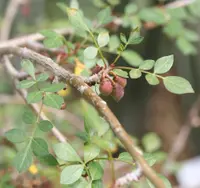
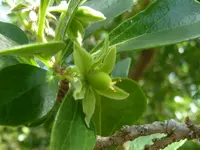
Maquei, Aristotelia chilensis, is a small evergreen tree or large shrub native to temperate forests of Chile and nearby areas of Argentina. It is grown both as an ornamental and a fruiting plant.

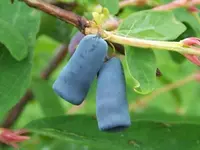
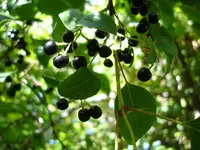
The plant has slender branches, small serrated leaves, and produces dark purple berries valued for their deep color. Its growth habit is fairly fast, forming a dense, multi-stemmed shape.

Aristotelia chilensis prefers mild climates, consistent moisture, and well-drained, slightly acidic soil, which can make it less suited to very hot or very dry regions. Understanding these natural conditions helps guide how to care for maquei in home gardens or small orchards.

Main Plant Requirements

Care Difficulty

Moderate Care

Light Preference

Full Sun

Water Requirements

Regular Water

Temperature Preference

Warm Climate

Hardiness Zone

8–10

Soil Texture

Loamy, Sandy, Organic-rich

Soil pH

Acidic (5.5–6.5), Slightly acidic (6.5–7.0)

Soil Drainage

Moist but well-drained

Fertilization

Minimal (feed rarely)

Get Personalized Care Plan

Scan your plant to receive care tips personalized for your specific plant

Available on iOS and Android

How to Care for the maquei

Aristotelia chilensis needs bright, cool sun exposure to fruit well without leaf scorch.

  • Provide 4–6 hours of direct morning sun with light afternoon shade; in hotter regions, protect from harsh sun after 1–2 p.m.
  • Tolerates partial shade (2–4 hours sun) but flowering and fruiting may decrease; choose the brightest, east- or south-facing spot available.
  • Monitor leaves for stress: pale, stretched growth indicates too little light, while crisped edges or bronzing signal excess midday or afternoon sun.

This shrub prefers consistently moist, well-drained soil and does not tolerate long drought or standing water.

  • Water when the top 3–5 cm of soil feels dry, then soak the root zone deeply so moisture reaches 15–20 cm down.
  • Use soil rich in organic matter with good drainage; puddling on the surface or a sour smell indicates poor drainage and possible root stress in Aristotelia chilensis.
  • In hot, dry periods, expect more frequent watering and watch for drooping or dull leaves as a sign of thirst, while yellowing, soft leaves suggest overwatering.

This species grows best in mild, temperate climates with cool summers and frost protection for young plants.

  • Aim for active growth in 55–75°F (13–24°C); growth slows noticeably outside this range, especially in prolonged heat or cold.
  • Mature plants can tolerate brief drops to about 20–25°F (-6 to -4°C), but young shrubs are more sensitive and benefit from frost cloth or mulching.
  • In hotter areas, repeated highs above 90°F (32°C) can stress plants; provide mulch, wind protection, and afternoon shade to limit heat and soil temperature spikes.

This species prefers moderate humidity but adapts to many garden conditions.

  • Aim for 40–60% humidity, which suits most outdoor sites and sheltered patios.
  • Tolerates brief dry air, but prolonged hot, very dry winds can crisp young maquei foliage.
  • Humidity stress shows as browning leaf edges and faster wilting; provide wind protection and consistent soil moisture rather than misting.

Aristotelia chilensis grows best in loose, moist, well-drained soil with moderate organic content.

  • Use a loamy mix combining garden soil, compost, and coarse sand or fine bark to keep structure open.
  • Ensure drainage is free by avoiding heavy clay pockets; raised beds or berms help if native soil stays wet.
  • Target a slightly acidic to neutral pH around 5.5–7.0 for balanced nutrient availability.
  • Improve aeration and drainage by blending in 20–30% perlite or grit and avoiding compaction from heavy foot traffic.

This shrub can be grown in containers if the pot is large and stable.

  • Choose a deep, heavy pot to anchor the plant against wind and support its upright, branching growth.
  • Fill the container with a loose, fast-draining mix and leave a small top gap to prevent runoff loss during watering.
  • Use light-colored or thick-walled pots in hot climates to reduce root overheating and moisture swings.

Aristotelia chilensis responds well to moderate feeding but does not require heavy fertilization for healthy growth.

  • Use a balanced slow-release fertilizer (for example 10-10-10) or well-rotted compost at the start of spring growth.
  • Feed container plants every 4–6 weeks in the growing season with a half-strength balanced liquid fertilizer.
  • Reduce or stop feeding in late fall and winter when growth slows or the plant is dormant.
  • Water before and after applying fertilizer to limit root burn and help nutrients move into the soil.

Pruning helps Aristotelia chilensis maintain a strong structure, good light penetration, and productive flowering wood.

  • Carry out main pruning in late winter or very early spring before new growth starts.
  • Remove dead, diseased, or crossing branches first, then thin crowded interior shoots to open the canopy.
  • Shorten overly long shoots to shape the plant and keep fruit within reach, cutting back to outward-facing buds.
  • Use clean, sharp bypass pruners and make smooth cuts just above a bud or branch junction to promote healthy healing.

This species is more often grown in the ground than in pots, so care usually focuses on thoughtful outdoor transplanting.

  • Transplant young plants in early spring or early fall, avoiding extremes of heat or cold for Aristotelia chilensis.
  • Move when roots lightly fill the pot or growth slows, choosing a hole or container only 1–2 sizes larger.
  • Keep the root ball intact, set it at the same depth, and backfill with well-drained soil, firming gently to remove air pockets.
  • Water deeply after planting, then shade temporarily and keep soil evenly moist for 2–3 weeks to limit transplant shock.

Aristotelia chilensis is commonly propagated from both seeds and semi-ripe cuttings under suitable conditions.

  • Sow fresh, cleaned seeds in late winter to early spring in a free-draining, slightly acidic seed mix.
  • Chill seeds for 4–6 weeks in the fridge if germination is poor, mimicking natural cold stratification.
  • Take semi-ripe cuttings in late summer, 8–12 cm long, keeping 2–3 nodes and removing lower leaves.
  • Place cuttings in moist, airy medium under high humidity and bright, indirect light until rooted.

Established plants are moderately cold hardy, but young or potted Aristotelia chilensis benefit from some winter attention.

  • In regions with frost, apply 5–8 cm of organic mulch around the root zone, keeping it off the trunk.
  • In areas below about 15°F, wrap young stems with breathable fabric to reduce freeze damage risk.
  • Move container plants into a sheltered, frost-free but cool spot, such as an unheated garage or porch.

Care Tips

Shelter from wind

Plant in a spot with protection from prevailing winds or use a temporary windbreak (mesh fencing or shrub screen) during the first 2–3 years to prevent desiccation and branch breakage while the root system establishes.

Encourage branching

When young plants reach 40–60 cm, pinch or lightly tip-prune the leading shoots in late winter to stimulate side branching, which improves fruiting potential and creates a sturdier framework.

Use light mulch

Apply a 5–8 cm layer of fine bark or wood chip mulch, keeping it 5–10 cm away from the trunk, to keep roots cool, reduce water stress, and minimize weed competition without encouraging rot.

Bird protection netting

Install fine, draped bird netting over a simple frame before berries begin to color so that fruit is protected but pollinators can still access flowers earlier in the season.

Soil pH monitoring

Test soil pH every 1–2 years and adjust gradually with sulfur or iron sulfate products if it drifts above 6.5, since slightly acidic soil supports better nutrient uptake and overall success when growing maquei.

Common Pests and Diseases

Myrtle rust

This disease causes yellow powdery spots on young leaves, shoots, and sometimes fruit, which can deform new growth and reduce vigor.

Solution

Remove and destroy heavily affected shoots, avoid overhead watering, and increase spacing and airflow around plants; in regions where myrtle rust is established, follow local Aristotelia chilensis care guidelines and use a registered systemic fungicide as recommended by regional plant health authorities.

Leaf spot

This disease produces small dark or brown circular spots on leaves that may merge into larger blotches, leading to premature leaf drop in humid conditions.

Solution

Prune out heavily spotted foliage, dispose of fallen leaves, water at soil level, and improve airflow; in persistent cases, apply a copper-based or broad-spectrum fungicide labeled for berry shrubs according to label directions.

Scale insects

These insects appear as small, immobile bumps on stems and leaf undersides, sucking sap and causing yellowing leaves, sticky honeydew, and sooty mold growth.

Solution

Prune and discard heavily infested twigs, then wipe remaining scales off with a cotton pad dipped in diluted alcohol or spray thoroughly with horticultural oil, repeating every 7–14 days until new growth appears clean.

Aphids

These insects cluster on tender shoot tips and flower stems, feeding on sap and causing distorted new growth, curling leaves, and sticky honeydew that may attract sooty mold.

Solution

Spray shoots with a strong stream of water to dislodge colonies, then treat remaining aphids with insecticidal soap or horticultural oil, repeating weekly until populations are low and natural predators such as lady beetles are active.

Interesting Facts

Patagonian understory specialist

This species naturally grows as a small tree or large shrub in the cool, wet understory of temperate rainforests in southern Chile and Argentina, often forming dense thickets beneath taller Nothofagus trees.

Dioecious berry producer

Individual plants are either male or female, so only female plants set the small, dark-purple berries, which ripen in late summer and are an important food source for native birds.

High-anthocyanin fruits

The almost black berries are exceptionally rich in anthocyanins, the pigments that give them their deep color and strong antioxidant capacity, which has led to global interest in growing maquei for fruit production.

Botan icon

Did you know?

The indigenous Mapuche people have long valued the berries not only as a fresh food but also as a traditional natural dye, using their intense purple pigment to color textiles and other materials.

FAQs about maquei

The dark purple berries are edible and widely valued for fresh eating, juices, and nutraceutical products due to their high antioxidant content. Leaves and bark are not commonly consumed and should not be used without reliable ethnobotanical guidance.

Grow Healthy Plants with Botan Care

Keep your plants happy and healthy with plant identification, disease detection, and easy care guidance.


Botan plant care app — identify plants on mobile

Explore More Plants