squashberry Care (Viburnum edule)

Also known as: High Bush Cranberry, Mooseberry, Lowbush Cranberry
squashberry

About squashberry

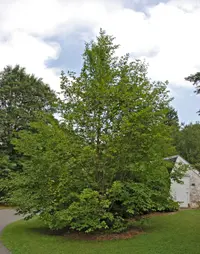
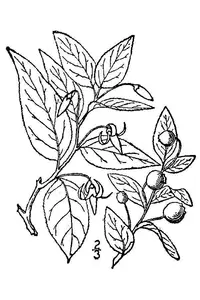
Squashberry, Viburnum edule, is a deciduous shrub native to cool, moist forests and stream edges in northern North America. It forms a rounded, multi-stemmed clump with simple, serrated leaves and showy clusters of white spring flowers.

These flowers mature into bright red edible berries that wildlife use heavily for food. The shrub is generally hardy and low-maintenance where conditions match its natural habitat.

It prefers cool climates, consistent moisture, and well-drained, slightly acidic soil, and it tolerates partial shade. Understanding these traits helps gardeners care for squashberry successfully in suitable regions.


Main Plant Requirements

Care Difficulty

Easy Care

Light Preference

Partial Shade

Water Requirements

Moderate Water

Temperature Preference

Cold Hardy

Hardiness Zone

2–6

Soil Texture

Loamy, Silty, Organic-rich

Soil pH

Acidic (5.5–6.5), Slightly acidic (6.5–7.0)

Soil Drainage

Moist but well-drained

Fertilization

Minimal (feed rarely)

Get Personalized Care Plan

Scan your plant to receive care tips personalized for your specific plant

Available on iOS and Android

How to Care for the squashberry

Viburnum edule prefers cool, bright conditions that mimic open woodland edges.

  • Provide 4–6 hours of direct morning sun with light afternoon shade; full sun is safest in cooler climates.
  • Plant squashberry where it receives partial shade during the hottest hours to reduce leaf scorch and moisture stress.
  • In dense shade, flowering and fruiting decline; choose a site with dappled light or an east-facing exposure, especially in summer.

Viburnum edule prefers consistently moist, cool soil without staying saturated.

  • Allow the top 3–5 cm of soil to dry slightly before watering, then soak the root zone deeply rather than giving shallow drinks.
  • During hot, dry spells, increase watering frequency, watching for drooping leaves or dry, crumbly soil as signs that moisture is too low.
  • Ensure soil drains freely; yellowing, soft leaves or a sour soil smell suggest overwatering and possible root problems in poorly drained sites.

This cold-hardy shrub thrives in cool climates with cold winters and mild summers.

  • Active growth is strongest around 55–70°F (13–21°C); it tolerates brief warmer periods if soil moisture is maintained.
  • Mature plants withstand winter lows near -40°F (-40°C), but young shrubs benefit from mulch to buffer rapid freeze–thaw cycles.
  • Extended heat above 85°F (29°C) can stress plants; provide shade, mulch, and soil moisture to reduce heat damage, especially in late summer.

This shrub is tolerant of a wide humidity range and usually does not need special humidity management outdoors.

This species prefers cool, moist, well-structured soil that mimics a forest edge or stream bank.

  • Use a loamy, organic-rich soil with a mix of native soil, compost, and leaf mold for structure and nutrients.
  • Ensure drainage is steady but not rapid; soil should stay evenly moist without forming standing water after rain or irrigation.
  • Aim for slightly acidic to neutral conditions, roughly pH 5.5–7.0, by incorporating composted bark or peat-free acidic organic matter if needed.
  • Avoid heavy, compacted clay or pure sand; improve aeration and drainage by working in coarse sand or fine gravel below the root zone of Viburnum edule.

This shrub can be grown in containers for several years, though it remains easier in the ground.

  • Choose a deep, heavy container that resists tipping as the shrub’s woody stems gain height and mass.
  • Select thick-walled clay or concrete pots to moderate root temperature and reduce rapid moisture swings compared with thin plastic.
  • Fill the pot with a moisture-retentive but draining mix and elevate it slightly so drainage holes never sit directly in pooled water.

Viburnum edule is a tough native shrub that needs only modest feeding on average garden soils.

  • Use a light topdressing of compost or well-rotted manure in early spring to support new growth and fruiting on squashberry.
  • On poorer soils, apply a balanced slow-release fertilizer (around 10-10-10) once in spring at label rates.
  • During the growing season, avoid additional high-strength feeding that can cause weak, lush shoots.
  • Do not fertilize in late fall or winter, when the plant is dormant and not actively using nutrients.

Pruning Viburnum edule is mainly about light shaping and maintaining plant health.

  • Time most pruning for late winter to very early spring, before new growth starts.
  • First remove dead, diseased, or storm-damaged branches using clean, sharp bypass pruners or loppers.
  • Thin a few of the oldest, most crowded stems at the base to improve air flow and maintain a natural, open shape.
  • After flowering, lightly shorten overly long shoots to control size without removing too many flower buds.

This shrub is usually grown in the ground, so focus on careful outdoor transplanting rather than frequent repotting.

  • Plan transplanting for early spring or early fall, when weather is cool and soil moisture is steady.
  • Look for signs like slow growth, roots circling a nursery pot, or the shrub outgrowing its space before moving it.
  • Dig a wide planting hole, keep as much of the root ball intact as possible, and set the plant at the same soil depth.
  • Water deeply after transplanting, apply a 5–8 cm mulch layer, and keep the root zone evenly moist to limit stress.

New Viburnum edule plants are most often raised from softwood cuttings or seed, with layering also possible.

  • Take softwood cuttings in late spring to early summer, then root them in a moist, well-drained mix under high humidity.
  • For seeds, use ripe berries, clean off pulp, and provide a cold stratification period to overcome dormancy.
  • Simple layering works by bending a low, flexible stem to the ground, wounding slightly, and covering with soil until rooted.
  • Keep all propagating material in bright, indirect light and maintain steady moisture without waterlogging.

This cold-hardy shrub usually needs little winter care in the ground across its native range.

  • Tolerates freezing temperatures, but young plants benefit from a 5–8 cm mulch layer over the root zone.
  • Mulch should cover the area out to the drip line, kept slightly back from the main stems to prevent rot.
  • For container-grown plants in colder regions, move pots to a sheltered, unheated but frost-moderated location.

Care Tips

Encourage Fruit Set

Plant at least 2 genetically different squashberry shrubs within 3–5 m and avoid heavy pruning of flowering wood, as better cross-pollination and intact flower clusters lead to heavier and more reliable fruit crops when growing squashberry.

Snow Load Management

In snowy climates, gently shake or brush off heavy, wet snow from branches after storms to prevent splitting or bending of the flexible young wood.

Mulch For Wild Look

Apply a 5–8 cm ring of coarse wood chips or shredded bark out to the drip line, leaving a 5–8 cm gap around the stems, to mimic its natural forest-floor habitat and keep roots cool and evenly moist.

Browse Protection

In areas with deer, rabbits, or moose, use a breathable wire mesh cylinder or low fencing around young plants during fall and winter to prevent bark and shoot damage that can permanently distort the shrub.

Layering For Propagation

To create new plants, bend a low, flexible branch to the ground in spring, pin it under a U-shaped wire and cover the contact section with 5–8 cm of soil, then sever and transplant the rooted section after 1–2 growing seasons.

Common Pests and Diseases

Viburnum leaf beetle

This pest feeds heavily on leaves as both larvae and adults, causing skeletonized foliage and sometimes complete defoliation by mid-summer.

Solution

Prune and destroy egg-laden twig tips during winter or early spring, then inspect leaves in spring and hand-pick or crush larvae where practical; for larger shrubs, use a targeted spinosad or pyrethrin spray on young larvae, and encourage natural predators by avoiding broad-spectrum insecticides.

Aphids

These insects cluster on tender shoots and leaf undersides, sucking sap and causing curled or distorted new growth, sometimes accompanied by sticky honeydew and sooty mold.

Solution

Spray infested shoots with a strong stream of water to knock off colonies, then use insecticidal soap or a neem oil spray on leaf undersides, repeating every 5–7 days until populations drop, and encourage lady beetles by minimizing use of harsh chemicals.

Powdery mildew

This disease produces white to gray powdery patches on upper leaf surfaces, which can lead to yellowing and premature leaf drop in humid or shaded conditions.

Solution

Improve air circulation by selective pruning, avoid overhead watering in the evening, remove heavily infected leaves, and apply a labeled fungicide such as sulfur or potassium bicarbonate at the first sign of symptoms if the shrub has had recurring issues.

Leaf spot

Symptoms include small brown to purplish spots on leaves that may merge into larger blotches, leading to early leaf drop during wet seasons.

Solution

Rake and dispose of fallen leaves in autumn to reduce inoculum, water at soil level instead of overhead, thin dense growth to increase airflow, and if the problem repeats each year, use a copper- or chlorothalonil-based fungicide in spring during extended wet periods.

Botrytis blight

This disease causes gray, fuzzy mold on flowers, young shoots, or damaged tissue, especially in cool, moist weather or where foliage stays wet for long periods.

Solution

Remove and discard affected flowers and shoots promptly, improve air movement around the shrub, avoid wetting foliage late in the day, and in persistent, damp sites consider a labeled botrytis-active fungicide while also adjusting spacing or pruning to reduce humidity around the plant.

Interesting Facts

Far northern specialist

This shrub naturally ranges across boreal regions of Alaska and Canada and extends into the northern Great Lakes, showing strong adaptation to cold climates, short growing seasons, and moist forest edges.

Edible but sour fruit

Its bright red berries are edible and traditionally used by Indigenous peoples of northern North America in jams, sauces, and mixed with other foods, but are usually considered too tart and astringent to eat in large quantities when raw.

Important wildlife food

The berries persist into fall and early winter and provide an important food source for birds, bears, and small mammals in northern ecosystems, especially in years when other soft fruits are scarce.

Botan icon

Did you know?

Genetic and morphological studies show that this species is closely related to several other circumboreal viburnums, and it is sometimes treated as part of a complex of northern high-latitude Viburnum species that have diversified around the cold, moist habitats of the boreal forest belt.

FAQs about squashberry

The bright red berries are edible when fully ripe and are traditionally used in jams, jellies, and sauces. Raw fruits are tart to bitter, so most people cook or sweeten them. Avoid unripe, hard berries.

Grow Healthy Plants with Botan Care

Keep your plants happy and healthy with plant identification, disease detection, and easy care guidance.

Botan plant care app — identify plants on mobile

Explore More Plants