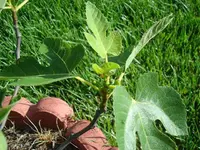
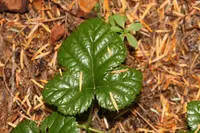
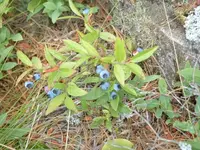
Strawberry Care (Fragaria x ananassa 'Albion')

About Strawberry

Strawberry (Fragaria x ananassa 'Albion') is a cultivated perennial fruit plant grown for its sweet, elongated berries and attractive green foliage. It forms low mounding clumps with spreading runners that root to create new plants.

Albion is a day-neutral variety, meaning it can produce flowers and fruit over a long season under a wide range of daylight lengths. This trait, combined with good disease resistance, makes it relatively straightforward to care for Strawberry in home gardens and containers.

The plant prefers sunny positions, moderately moist but well-drained soil, and consistent, not excessive, watering to support flowering and fruiting.

Main Plant Requirements

Care Difficulty

Moderate Care

Light Preference

Full Sun

Water Requirements

Regular Water

Temperature Preference

Cool Climate

Hardiness Zone

4–9

Soil Texture

Sandy, Loamy, Organic-rich

Soil pH

Acidic (5.5–6.5), Slightly acidic (6.5–7.0)

Soil Drainage

Moist but well-drained

Fertilization

Moderate (every 2–4 weeks)

Get Personalized Care Plan

Scan your plant to receive care tips personalized for your specific plant

Available on iOS and Android

How to Care for the Strawberry

Fragaria x ananassa 'Albion' needs strong light to produce high yields and sweet fruit.

  • Provide 6–8 hours of direct sun daily, with at least 4 hours of gentle morning sun preferred in hot climates.
  • Allow light afternoon shade in areas above 85°F (29°C) to reduce leaf scorch and dry, bitter fruit.
  • In spring and fall, full sun is ideal; in midsummer, monitor leaves for bleaching or crispy edges as signs of excess sun exposure.

This day-neutral strawberry prefers evenly moist, well-drained soil without staying soggy.

  • Water when the top 2–3 cm of soil feels dry, aiming for consistently damp soil around the root zone, not saturated.
  • In hot, dry periods, check moisture daily; in cool or rainy weather, extend intervals to prevent waterlogging and root rot.
  • Wilting at midday that recovers by evening suggests mild drought, while yellowing, limp foliage and sour smell indicate overwatering.

Stable, mild temperatures support continuous flowering and fruiting in this cultivar.

  • Best growth occurs around 60–80°F (16–27°C), supporting strong foliage and steady berry production.
  • Plants tolerate brief drops to about 20°F (-6°C) when dormant, but flowers and young fruit are damaged by late frosts below 30°F (-1°C).
  • During heat above 90°F (32°C), fruit size and quality decline, so use mulch and light shade to keep roots cooler and reduce stress.

Albion strawberry tolerates common outdoor humidity but benefits from moderately moist air.

  • Aim for 40–60% humidity, similar to most home and garden conditions, without prolonged very dry air.
  • Dry air may cause leaf edges to brown and flower buds to dry before opening, especially in hot, windy spots.
  • Increase local humidity by mulching the soil surface and using wind protection rather than misting the foliage.

Soil for Fragaria x ananassa 'Albion' should be loose, well-drained, and rich in organic matter.

  • Use a loamy, slightly sandy structure that crumbles easily in the hand to support both moisture retention and aeration.
  • Target a slightly acidic pH around 5.5–6.5, which supports nutrient availability and healthy root growth.
  • Mix garden loam or potting soil with compost and coarse sand or perlite to improve drainage and root oxygen supply.
  • Avoid heavy clay, compacted, or waterlogged sites, which increase root rot risk and reduce berry yield.

This strawberry cultivar is well suited to container growing on patios, balconies, or small gardens.

  • Choose a container at least 25–30 cm deep to allow room for a broad, fibrous root system and runner formation.
  • Use a wide, stable pot so the spreading foliage and fruiting stems do not tip the container in wind or when watered.
  • Select a slightly porous material such as unglazed terracotta if overwatering is common, as it allows faster moisture loss and oxygen entry.

This day-neutral strawberry benefits from steady but moderate feeding to maintain fruit production.

  • Use a balanced fertilizer (around 10-10-10) or well-aged compost worked into the top 5–8 cm of soil.
  • Feed every 4–6 weeks during active growth and fruiting, from early spring through late summer.
  • Apply at half the label strength for container plants to avoid salt buildup and root burn.
  • Reduce or stop feeding in fall and winter when growth slows, resuming only when new leaves emerge.

Pruning keeps Fragaria x ananassa 'Albion' productive, clean, and easier to manage.

  • In early spring, remove dead, diseased, or damaged leaves and crowns using clean, sharp scissors or hand pruners.
  • Trim off old flower stalks and spent fruit stems to reduce disease pressure and focus energy on new growth.
  • Thin crowded runners, keeping the strongest plants spaced 25–30 cm apart for better air flow and larger berries.
  • After peak harvest, lightly tidy foliage, avoiding severe cutting that removes all healthy leaves.

Albion strawberry often performs best when renewed by transplanting into fresh, fertile ground or containers.

  • Plan transplanting for early spring or late summer so plants establish before heat or hard frost.
  • Move plants when growth slows, roots circle the pot, or crowns sit crowded with small berries.
  • Plant into well-drained, organic-rich soil at the same crown height, spacing 25–30 cm apart to limit competition.
  • Water thoroughly after transplanting, shade for a few days if conditions are hot, and keep soil evenly moist to reduce stress.

New Albion plants are most commonly produced from runners rather than seed.

  • In late spring to late summer, select healthy runners with well-formed crowns and 2–3 leaves.
  • Peg runner tips into small pots filled with moist, well-draining mix, keeping crowns at soil level.
  • Maintain bright light and evenly moist substrate until strong new roots form over 2–4 weeks.
  • Once rooted, sever the runner from the mother plant and transplant young plants to their final position.

Albion is moderately cold hardy but benefits from simple winter protection in cooler climates.

  • After fall cleanup, apply 5–8 cm of clean straw or similar mulch around crowns to insulate roots.
  • In areas below about 15°F, add extra mulch or use row covers during severe cold snaps.
  • For container plants, move pots into an unheated garage or sheltered spot to prevent root freeze–thaw damage.

Care Tips

Staggered Planting

Plant a few new runners or store-bought starts every 3–4 weeks in late winter to early summer to spread out the fruiting period and keep the bed productive with younger plants.

Targeted Runner Management

Allow only 2–3 strong runners per mother plant for propagation and remove the rest, so energy goes into fruit size and flavor instead of a dense mat of small plants.

Mulch For Clean Fruit

Apply a 5–8 cm layer of clean straw or pine needles under plants to keep berries off the soil, reduce mold on fruit, and limit weed competition.

Flower Thinning For Size

On young or weak plants, pinch off the first 1–2 flushes of flowers so the root system and crowns strengthen, which later improves berry size and yield when growing Strawberry long term.

Regular Pest Scouting

Inspect leaves and fruit twice per week for spider mites, aphids, and slugs, and remove damaged berries immediately to reduce pest buildup and disease spread in the patch.

Common Pests and Diseases

Two-spotted spider mite

This pest thrives on stressed Albion plants, especially under warm, dry conditions, and causes fine stippling, bronzing, and eventual drying of leaves. Symptoms include very fine webbing under leaves and reduced vigor, which can lower fruit yield and quality.

Solution

Rinse foliage thoroughly with a strong but controlled stream of water, focusing on the undersides of leaves, and repeat weekly until populations drop. Improve humidity and airflow, remove heavily infested leaves, and if needed use a targeted miticide or insecticidal soap labeled for edible crops, applied in the evening to avoid leaf burn and protect pollinators.

Strawberry aphid

These insects cluster on young leaves and flower stalks, sucking sap and causing curling, distortion, and sticky honeydew that can lead to sooty mold. This pest can also transmit viruses that reduce Albion vigor and yield over time.

Solution

Pinch or wash off colonies with a strong water spray, then monitor new growth closely. Encourage or introduce natural enemies such as lady beetles, and where populations remain high, apply insecticidal soap or horticultural oil, coating both upper and lower leaf surfaces while avoiding open flowers to protect pollinators.

Powdery mildew

This disease is common on Albion foliage, especially in crowded or humid plantings, and appears as white, powdery patches on leaves, petioles, and sometimes fruit. Symptoms include leaf curling, reddening, and reduced plant vigor if not managed early.

Solution

Increase spacing and airflow, remove and discard affected leaves, and avoid overhead watering to keep foliage dry. Apply a fungicide labeled for powdery mildew on strawberries, or use sulfur or potassium bicarbonate products, starting preventively when conditions are favorable and repeating as directed on the label as part of Fragaria x ananassa 'Albion' plant care.

Botrytis gray mold

This disease primarily affects flowers and ripening fruit, causing soft brown areas that quickly develop dense gray mold, especially in cool, moist weather. Symptoms include aborted blossoms and berries that rot on the plant or during storage.

Solution

Remove and discard infected flowers and fruit promptly, keep mulch clean and fruit off bare soil, and water at soil level rather than overhead. Improve air circulation by proper spacing and leaf thinning, and in high-pressure situations consider rotating fungicides labeled for Botrytis on strawberries, applied before wet, cool periods and during flowering.

Anthracnose fruit rot

This disease is favored by warm, wet conditions and causes sunken dark lesions on green and ripening berries that can expand and cause fruit collapse. Symptoms include black, water-soaked spots on runners and petioles, reducing overall plant productivity.

Solution

Avoid overhead irrigation and reduce splash by using clean straw or fabric mulch around plants. Remove and destroy affected fruit and stolons, plant only disease-free stock, and in high-pressure areas use preventive fungicide sprays labeled for anthracnose on strawberries, especially during warm, rainy periods when new fruit is forming.

Interesting Facts

Day-neutral fruiting habit

This cultivar is day-neutral, meaning it can initiate flowers regardless of day length and produce several flushes of fruit from late spring through fall under suitable temperatures.

High sugar-acid balance

The berries are bred for a relatively high sugar content combined with noticeable acidity, which gives them a consistently sweet but not bland flavor valued in commercial tasting panels.

Improved disease tolerance

Albion was selected for increased resistance to several common strawberry diseases, including verticillium wilt and certain root rots, which helps maintain yield and plant vigor in field production.

Botan icon

Did you know?

Albion was released in 2004 by the University of California breeding program as a cross between the cultivars 'Diamante' and 'Cal 94.16-1', and it rapidly became one of the dominant day-neutral varieties in commercial production across California and beyond.

FAQs about Strawberry

Yes, this cultivar produces edible fruits that are widely grown for fresh eating, desserts, and preserves. Both the berries and, to a lesser extent, young leaves are used, though leaves are usually consumed only in small amounts as tea.

Grow Healthy Plants with Botan Care

Keep your plants happy and healthy with plant identification, disease detection, and easy care guidance.

Botan plant care app — identify plants on mobile

Explore More Plants