Century Plant Care (Agave vivipara)

Also known as: Caribbean Agave
Century Plant

About Century Plant

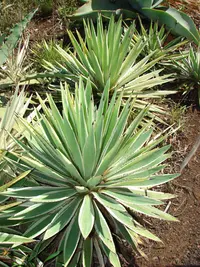
Century plant (Agave vivipara) is a succulent perennial known for its upright, sword-shaped leaves arranged in a tight rosette. It forms a strong architectural clump and slowly increases in size over many years.

This species is native to dry, coastal and open areas in tropical and subtropical regions of the Americas. It is adapted to high light, heat, and poor, fast-draining soils.

Thick, water-storing leaves and a deep root system make it highly drought-tolerant but sensitive to waterlogged conditions. Spines along the leaf margins and tip are key features to consider when planning how to care for Century Plant.

Main Plant Requirements

Care Difficulty

Easy Care

Light Preference

Full Sun

Water Requirements

Low Water

Temperature Preference

Warm Climate

Hardiness Zone

9–11

Soil Texture

Sandy, Loamy, Rocky

Soil pH

Slightly acidic (6.5–7.0), Slightly alkaline (7.0–7.5)

Soil Drainage

Well-drained

Fertilization

Minimal (feed rarely)

Get Personalized Care Plan

Scan your plant to receive care tips personalized for your specific plant

Available on iOS and Android

How to Care for the Century Plant

This sun-loving succulent thrives in bright, open sites with mostly direct exposure.

  • Provide 6–10 hours of full sun daily; morning to early afternoon sun is ideal for strong, compact rosettes in Century Plant.
  • In very hot climates, give light afternoon shade or filtered light to reduce leaf scorch and yellowing, especially on young plants.
  • In partial shade (3–5 hours sun), plants survive but grow slower and looser; move gradually to brighter conditions in late winter or early spring.

This drought-adapted species prefers infrequent, deep watering and fast-drying soil.

  • Outdoors in draining ground, water only when the top 5–8 cm of soil are completely dry; in arid heat this may be every 2–4 weeks.
  • Use sharply draining, gritty soil so excess water runs off quickly; standing water or clay pockets lead to root rot in Agave vivipara.
  • Overwatering shows as soft, yellowing, or collapsing leaves near the base; underwatering shows as shriveling leaves that feel thin but still firm.

This species is heat tolerant but only moderately hardy to cold, so temperature management is important.

  • Optimal growth occurs around 70–90°F (21–32°C), with slower but stable growth down to about 60°F (16°C).
  • Mature plants may tolerate brief dips to 25–28°F (-4 to -2°C), but repeated freezes damage leaf tips and can kill young rosettes.
  • In regions with winter lows below 25°F (-4°C), use sharp-draining mounds, overhead frost protection, or grow in containers that can be moved.

Humidity is rarely critical for Agave vivipara, which is highly adapted to dry air.

Agave vivipara prefers rapidly draining, mineral, low-organic soil to prevent root and crown rot.

  • Use a gritty mix such as 50–60% coarse sand or grit with 40–50% cactus potting mix.
  • Ensure water drains through in seconds, not minutes, and never allow the mix to stay soggy.
  • Aim for slightly acidic to neutral pH around 6.0–7.0, avoiding strongly acidic or alkaline extremes.
  • Avoid heavy clay, peat-heavy, or compacted mixes; add extra pumice or perlite if drainage slows.

This species grows well in containers when given excellent drainage and a heavy, stable pot.

  • Choose a wide, low-profile container that resists tipping as the rosette enlarges and offsets form.
  • Use a deep enough pot to accommodate its taproot while still allowing the mix to dry quickly between waterings.
  • Prefer unglazed clay or other porous materials outdoors to speed evaporation and reduce prolonged moisture around roots.

Agave vivipara grows well with minimal feeding but benefits from light, targeted nutrition in active growth.

  • Use a balanced, low-dose cactus fertilizer or diluted all-purpose liquid feed at 1/2–1/4 strength.
  • Apply once every 4–6 weeks in spring–summer when plants are actively growing.
  • Avoid fertilizing in fall–winter, when growth slows and roots are less active.
  • Skip heavy compost or rich organic mixes, which can hold excess moisture and cause root issues.

Agave vivipara needs only light, corrective pruning to stay healthy and tidy.

  • Best timing is late winter to early spring, before strong new growth begins.
  • Remove dead, damaged, or diseased leaves at the base using clean, sharp pruners or a pruning saw.
  • Take out crowded or ground-touching leaves to improve airflow and reduce rot risk without changing the natural rosette form.
  • After flowering, cut back the spent flower stalk at the base, leaving healthy offsets and foliage untouched.

Century Plant is usually grown in the ground, but container plants or young offsets sometimes need repotting or transplanting.

  • Repot or transplant in spring when roots circle the pot, drainage is poor, or growth noticeably slows.
  • Plan on stepping up containers only every 3–5 years, using a gritty, fast-draining cactus or succulent mix.
  • Water lightly 1–2 days before moving, then gently loosen the root ball and trim only clearly dead or rotten roots.
  • Replant at the same depth, keep soil just barely moist for 1–2 weeks, and shade from intense sun to reduce transplant shock.

Agave vivipara is most often propagated from offsets, with seed used mainly for larger-scale growing.

  • Detach offsets in late spring–early summer once they have several leaves and a small root system.
  • Use a clean, sharp knife to separate pups from the mother plant, letting cut surfaces dry for 1–3 days.
  • Plant pups in a fast-draining cactus mix, keep in bright indirect light, and water lightly until established.
  • Sow seeds on the surface of barely moist, sandy mix at 70–80°F, providing bright light and good air movement.

Agave vivipara is fairly cold tolerant but benefits from simple winter protection in colder regions.

  • Mature plants tolerate brief drops to about 20–25°F if soil drains well.
  • In the ground, apply a 5–8 cm gravel or coarse sand mulch around the crown to keep the neck dry.
  • For containers in cold climates, move plants to a bright, frost-free spot and keep almost dry.
  • Avoid overhead watering in cold weather to reduce risk of crown and leaf rot.

Care Tips

Offset management

Remove and replant offsets once they reach 10–15 cm wide so the main rosette has space to expand and you can propagate younger plants for long-term growing Century Plant success.

Safe leaf handling

Use thick gloves and eye protection when cleaning, repotting, or repositioning the plant, and always move it by the container, not by the leaves, to avoid spine injuries and tearing the stiff foliage.

Container stabilization

Use a wide, heavy pot or add a top layer of gravel to stabilize tall rosettes in windy or high-traffic areas and reduce the risk of the container tipping as the plant gains weight.

Winter rain protection

In regions with cool, wet winters, place container plants under an eave or simple cold frame so the crown stays dry, which greatly lowers the risk of rot during cold, saturated periods.

Flowering plant removal

Once the main rosette finishes flowering and the stalk dies back, remove the entire spent rosette at the base and keep only healthy offsets, which redirects resources into new growth and clears space.

Common Pests and Diseases

Agave snout weevil

This pest bores into the base of the rosette to lay eggs; larvae then tunnel through the core, causing collapse of leaves and a rotten, fermented smell at the crown.

Solution

Remove and destroy any infested plants immediately, including as much of the root as possible, to prevent spread. In areas where this weevil is common, use a preventative systemic insecticide labeled for agaves in early spring and avoid wounding the plant or leaving fresh cuts exposed during peak weevil activity.

Soft scale

These insects attach along leaf surfaces and in leaf axils, sucking sap and leaving sticky honeydew that can attract sooty mold on the rigid leaves.

Solution

Physically remove scales by gently scraping with a soft brush or cloth, then treat remaining insects with repeated applications of horticultural oil or insecticidal soap, fully coating all leaf surfaces. Improve air movement and avoid high-nitrogen fertilization, which can encourage soft, vulnerable growth.

Agave mite

This pest is microscopic and feeds in the protected areas of the rosette, leading to distorted new leaves, corky scars, and sometimes dark, sunken patches at the leaf base.

Solution

Discard heavily infested plants, since mites are difficult to eliminate once established. For early or light infestations, remove and destroy affected leaves, isolate the plant, and treat the crown area with a miticide specifically labeled for eriophyid or agave mites, following label directions carefully.

Anthracnose

This disease causes tan to dark brown, often sunken lesions on leaves, sometimes with concentric rings or a dark border, which can merge into larger dead patches under warm, humid conditions.

Solution

Prune and discard affected leaves, cutting back into healthy tissue and keeping tools disinfected between cuts. Reduce overhead watering, increase spacing and airflow, and in severe or recurring cases apply a copper-based or other labeled fungicide during warm, wet periods according to the product instructions.

Crown and heart rot

This disease typically starts at the center of the rosette or crown, where excessive moisture allows fungi or water molds to attack, causing soft, water-soaked tissue and eventual collapse of the plant.

Solution

Remove and discard plants with advanced rot, including all soft tissue, since recovery is rare. Prevent future problems by planting in very well-drained soil, using raised beds or mounds in wet climates, avoiding water standing in the rosette, and spacing plants to ensure fast drying after rain when growing Century Plant.

Interesting Facts

Offsets and bulbils

This species reproduces both by underground offsets and by producing numerous bulbils, or tiny plantlets, along the spent flower stalk, which can form dense colonies around the parent plant.

Coastal dune specialist

It naturally occurs on sandy coastal dunes and dry rocky slopes in tropical and subtropical regions, where its deep roots and thick leaves help stabilize loose, shifting substrates.

Salt and drought tolerant

Leaves tolerate high light, heat, and salt-laden winds, which makes this agave a common choice for exposed seaside plantings in warm climates.

Botan icon

Did you know?

In some coastal regions where it has been widely planted outside its native range, this species can become invasive, forming large, dense stands that displace local dune vegetation and alter natural plant communities.

FAQs about Century Plant

This species is monocarpic, so it flowers only once when fully mature, often after several decades. Lack of flowering is usually normal, not a problem, unless the plant is severely weakened by rot, repeated damage, or poor light.

Grow Healthy Plants with Botan Care

Keep your plants happy and healthy with plant identification, disease detection, and easy care guidance.

Botan plant care app — identify plants on mobile

Explore More Plants