ground virginsbower Care (Clematis recta)

Also known as: Erect Clematis
ground virginsbower

About ground virginsbower

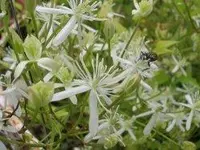
Ground virginsbower (Clematis recta) is a herbaceous clematis species that forms leafy clumps rather than climbing like many other clematis. Stems are upright but often lean or sprawl, carrying clusters of small, starry white flowers with a light fragrance in early to mid summer.

This species is native to central and southern Europe, where it grows in open woods, scrub, and sunny edges. It is generally considered moderately easy to grow if given sun, moisture-retentive but well-drained soil, and some support or neighboring plants to lean on.

Gardeners who learn how to care for ground virginsbower usually appreciate its reliable flowering and sturdy, bushy habit in mixed borders or naturalistic plantings.

Main Plant Requirements

Care Difficulty

Moderate Care

Light Preference

Full Sun

Water Requirements

Moderate Water

Temperature Preference

Cold Hardy

Hardiness Zone

3–9

Soil Texture

Loamy, Sandy, Organic-rich

Soil pH

Acidic (5.5–6.5), Slightly acidic (6.5–7.0)

Soil Drainage

Moist but well-drained

Fertilization

Light (every 4–6 weeks)

Get Personalized Care Plan

Scan your plant to receive care tips personalized for your specific plant

Available on iOS and Android

How to Care for the ground virginsbower

Clematis recta grows best with ample sun on its stems but cooler, shaded roots.

  • Provide 6–8 hours of direct sun daily, with morning sun and light afternoon shade ideal, especially in hotter regions where intense late-day sun can scorch foliage.
  • Plant where the base and root zone are shaded by mulch or low groundcovers; this mimics ground virginsbower’s natural habitat and helps prevent root stress.
  • Tolerates bright partial shade (4–5 hours sun), but flowering decreases; in deep shade, stems stretch, become weak, and produce fewer blooms.

This species prefers consistently moist, well-drained soil rather than frequent, shallow watering.

  • Water when the top 3–5 cm of soil feels dry; soak the root zone deeply so moisture reaches 15–20 cm, then allow excess to drain fully.
  • Increase watering during hot, windy periods and active growth, reducing frequency in cool or rainy weather to avoid saturated soil around Clematis recta roots.
  • Watch for wilting and dry, crisp leaves as signs of underwatering, and yellowing, soft stems or a sour soil smell as signs of overwatering and poor drainage.

This hardy perennial tolerates a wide range of outdoor temperatures when established in the ground.

  • Optimal growth occurs around 60–75°F (16–24°C), when shoots elongate steadily and flowering is most reliable.
  • Established plants survive winter cold down to about -20°F (-29°C) with mulch over the root zone; new growth may be damaged by late frosts but usually resprouts.
  • Handles summer warmth up to about 85–90°F (29–32°C) if soil stays evenly moist and roots are shaded; prolonged hotter periods increase stress and require closer monitoring.

This species handles a wide humidity range and usually does not need special humidity management outdoors.

Clematis recta prefers deep, moisture-retentive but free-draining soil that stays evenly moist without becoming waterlogged.

  • Aim for a loamy structure with plenty of organic matter, such as garden compost or well-rotted manure mixed into the top 20–30 cm.
  • Ensure sharp drainage by incorporating coarse sand or fine grit in heavier clay soils to prevent root rot.
  • Keep pH slightly alkaline to neutral, around 6.8–7.5, and avoid very acidic sites that can reduce vigor.
  • Improve aeration by loosening compacted ground and avoiding areas where water collects or remains soggy after rain.

This plant can be grown in containers if given a large, stable pot and careful moisture management.

  • Choose a deep, heavy container that resists tipping, as the tall top growth can become top-heavy in wind.
  • Use a free-draining mix and raise the pot slightly on feet so excess water clears the drainage holes quickly after rain or watering.
  • Position the container where the root zone is shaded by other low plants or a cover layer, while the upper growth still reaches full sun.

Clematis recta benefits from modest, consistent feeding in fertile garden soil to support strong growth and flowering.

  • In early spring, apply a balanced slow-release fertilizer (around 10-10-10) at label rate around the root zone of ground virginsbower.
  • Supplement once in midsummer with a light top-dressing of compost to renew nutrients and improve soil structure.
  • During the active growing season, avoid high-nitrogen lawn fertilizers, which push soft foliage at the expense of flowers.
  • Stop feeding in late summer and do not fertilize during winter dormancy to allow growth to harden and rest.

Thoughtful pruning keeps Clematis recta compact, healthy, and floriferous.

  • Cut back old stems hard in late winter or very early spring, leaving 15–30 cm to encourage vigorous new shoots and flowering on new wood.
  • Remove dead, diseased, or damaged stems at the base using clean, sharp bypass pruners to reduce disease pressure.
  • Thin out weak, crowded, or crossing growth to improve air flow and light penetration through the clump.
  • After flowering, lightly shape the plant if needed, avoiding severe cuts once new season growth has matured.

This species is usually grown in the ground, so management focuses on careful transplanting rather than frequent repotting.

  • Plan to transplant young Clematis recta plants in early spring or early fall, when temperatures are mild and soil moisture is reliable.
  • Look for signs such as roots circling a nursery pot, very slow top growth, or frequent wilting, which indicate the plant has outgrown its container.
  • Water well in advance, then slide the root ball out gently, disturb circling roots lightly, and set it at the same depth in a prepared, well-drained hole.
  • Backfill firmly, water deeply to settle soil, mulch the root zone, and shade the base for a few weeks to limit transplant shock.

Clematis recta is commonly propagated by cuttings, layering, and division, with seed used mainly by specialists.

  • Take softwood or semi-ripe stem cuttings in late spring to midsummer, using non-flowering shoots 8–10 cm long, and root in a moist, free-draining mix under high humidity.
  • Use simple layering in spring by pinning a low, flexible stem to the soil and covering a section with compost until roots form.
  • Divide established clumps in early spring or early fall, lifting carefully and splitting the crown so each division has several buds and healthy roots.
  • Sow fresh seed in deep trays with a gritty mix, allow natural winter chilling outdoors, and expect slow, sometimes uneven germination.

This herbaceous species is cold hardy in most temperate climates and usually needs minimal winter care.

  • Clematis recta tolerates typical winter frosts in USDA zones 4–8 as its top growth dies back naturally each year.
  • After the first hard frost, cut stems down close to ground level to tidy the plant and reduce overwintering pests.
  • Apply a 5–8 cm mulch layer over the root zone, keeping it slightly away from the crown, to buffer freeze–thaw cycles.
  • For container plants in colder regions, move pots to a sheltered, unheated area and keep soil just lightly moist.

Care Tips

Sturdy plant support

Install a low, rigid support such as a short wire fence, peony ring, or horizontal pea netting early in the season so the stems can lean and weave through it instead of flopping after flowering or in strong wind.

Cool root zone

Mulch the root area with 5–8 cm of composted bark or leaf mold and plant low perennials or groundcovers in front to shade the base, which helps keep roots cool and reduces moisture stress in summer.

Timely deadheading

Shear or cut back spent flower clusters before seed set if the goal is repeat or tidier flowering, leaving a few seed heads only where self-seeding is desired and not a maintenance problem.

Airflow for mildew

Space plants with at least 45–60 cm between clumps and thin out the most congested stems in early summer to improve airflow and reduce the risk of powdery mildew on foliage.

Safe staking strategy

If stems are already tall and leaning, tie them in loosely with soft ties to bamboo canes or a discrete grid, avoiding tight knots that can cut into the soft stems as they thicken when growing ground virginsbower.

Common Pests and Diseases

Clematis wilt

This disease causes sudden blackening and collapse of stems and leaves, often on otherwise healthy plants. Symptoms include dark lesions at the stem base and rapid wilting above the affected area.

Solution

Cut back affected stems well into healthy green tissue and remove all wilted material from the site, then dispose of it in the trash. Keep the crown area well drained and mulched, avoid damaging stems at soil level, and maintain steady moisture without waterlogging to support regrowth from healthy buds below ground as part of Clematis recta care.

Powdery mildew

This disease appears as white, talc-like patches on leaves, stems, and sometimes flowers, leading to yellowing and premature leaf drop. Symptoms include distorted new growth and a dull, dusty look to the foliage.

Solution

Improve air circulation around the plant by thinning dense growth and avoiding crowding, and water at soil level rather than over the foliage. Remove heavily affected leaves and use a targeted fungicide labeled for ornamental vines if outbreaks persist, applying according to label directions.

Slugs and snails

These pests chew irregular holes in young leaves and can completely strip soft new shoots near ground level. Symptoms include slime trails and damage that is heaviest at night or in damp, shaded sites.

Solution

Hand-pick slugs and snails in the evening, use iron phosphate slug bait around but not touching the stems, and reduce hiding places such as dense ground litter. Keeping mulch thinner right at the crown and watering in the morning instead of evening also reduces damage.

Aphids

These insects cluster on young stems and flower buds, sucking sap and causing curling, distortion, and sticky honeydew on leaves. This pest can also encourage sooty mold growth on the coated surfaces.

Solution

Spray colonies off with a strong stream of water, focusing on shoot tips and the undersides of leaves, and repeat every few days as needed. For persistent infestations, use insecticidal soap or neem oil, applied thoroughly and in cool parts of the day to avoid leaf burn.

Clematis leaf spot

This disease causes small brown or purplish spots on leaves that may enlarge and merge, leading to tattered or prematurely dropping foliage. Symptoms include spotting that is most noticeable on lower and inner leaves where air is more stagnant.

Solution

Remove and discard affected leaves during the season and clean up fallen foliage in autumn to reduce fungal spores. Improve airflow by spacing plants properly, watering at the base, and, if necessary, apply a suitable ornamental fungicide early in the season when spots first appear.

Interesting Facts

Unusual upright habit

Unlike many clematis that climb using leaf petioles as tendrils, this species grows as a self-supporting, bushy perennial, often forming a loose mound rather than scrambling up supports.

Strong vanilla-like scent

Its many small white flowers are produced in dense clusters and are well known for releasing a strong, sweet, vanilla-like fragrance in early to mid-summer, especially in warm, still weather.

Late-season purple color

After flowering, its foliage and stems often develop rich purple or bronze tones late in the season, adding ornamental interest beyond the main bloom period.

Botan icon

Did you know?

Clematis recta is naturally distributed across central and southern Europe into western Asia, where it typically grows in sunny, calcareous grasslands and open scrub, making it one of the few clematis species adapted to relatively dry, lime-rich soils in full sun.

FAQs about ground virginsbower

This species is highly attractive to many pollinators. The fragrant, nectar-rich white flowers draw bees, hoverflies, and sometimes butterflies, especially in sunny, sheltered spots. Planting it can modestly improve pollinator activity in a mixed border.

Grow Healthy Plants with Botan Care

Keep your plants happy and healthy with plant identification, disease detection, and easy care guidance.

Botan plant care app — identify plants on mobile

Explore More Plants