Early framework training
In the first 2–3 years, select 3–5 strong canes and tie them at a shallow angle (30–45°) along wires or a fence to create a permanent framework that will carry future flowering laterals.

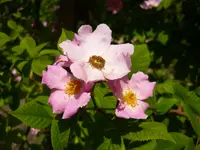
Climbing rose (Rosa setigera) is a vigorous, deciduous climbing shrub valued for its arching canes and single, open flowers that attract bees and other pollinators. It typically produces clusters of pink blooms followed by attractive hips, giving the plant seasonal interest beyond flowering. Native to central and eastern North America, it adapts to a range of temperate garden conditions and is often used on trellises, fences, and arbors. Rosa setigera is generally considered robust and forgiving, though it benefits from regular pruning and good air circulation, which makes it easier to care for climbing rose in home gardens.

Care Difficulty
Moderate Care

Light Preference
Full Sun

Water Requirements
Moderate Water

Temperature Preference
Cold Hardy

Hardiness Zone
4–8

Soil Texture
Sandy, Loamy, Clay

Soil pH
Acidic (5.5–6.5), Slightly acidic (6.5–7.0)

Soil Drainage
Moist but well-drained

Fertilization
Minimal (feed rarely)
Scan your plant to receive care tips personalized for your specific plant
Available on iOS and Android
Rosa setigera performs best in strong outdoor light with some protection from harsh afternoon sun.
Rosa setigera prefers evenly moist, well-drained soil rather than frequent shallow watering.
This rose is hardy in many climates but grows best within moderate temperature ranges.
Humidity is rarely a limiting factor for Rosa setigera, which thrives in typical outdoor conditions.
Rosa setigera prefers deep, well-structured soil that drains freely yet holds consistent moisture.
This species can be grown in large containers outdoors if the pot provides enough depth and stability for its vigorous, climbing habit.
Rosa setigera benefits from light, targeted feeding but tolerates modest soils once established.
Pruning Rosa setigera maintains flowering performance and manageable structure on supports or fences.
This vigorous native climber is usually grown in the ground, with transplanting more relevant than container repotting.
Rosa setigera is commonly propagated for restoration plantings and naturalistic gardens using vegetative and seed methods.
This species is generally cold hardy in much of its native range and needs only modest winter care once established.

Plant Health Check
Not sure what's wrong with your plant? Check your plant's health inside the app.
This species is one of the few climbing wild roses native to North America, naturally forming long, arching canes that scramble over shrubs and small trees in open woodlands and along forest edges.
Unlike many native roses that flower in late spring, it typically blooms in mid to late summer, providing nectar and pollen for bees and other pollinators when many other wild roses are finished.
Rosa setigera is unusual among roses because it is functionally dioecious, meaning individual plants tend to bear either mainly male or mainly female flowers, which encourages cross-pollination and genetic diversity.

This species played an important role in early American rose breeding, contributing cold hardiness, vigor, and climbing habit to several classic ornamental ramblers used in gardens during the late 19th and early 20th centuries.
Poor flowering often comes from insufficient light, heavy pruning of flowering canes, nutrient imbalance, or stress from drought or pests. Check sun exposure, avoid cutting older canes heavily, and follow basic Rosa setigera care guidelines.
Keep your plants happy and healthy with plant identification, disease detection, and easy care guidance.