Alpine-style drainage
Plant on a slight mound or in a rock crevice so excess water sheds away from the crown, which greatly reduces rot risk in wet or snowy climates when caring for New Zealand Everlastingflower.

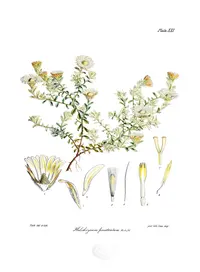
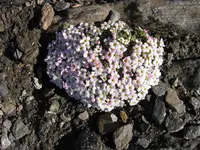
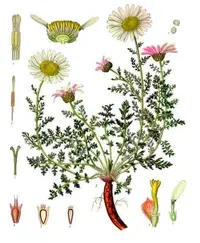
New Zealand everlastingflower, Anaphalioides bellidioides, is a low, mat-forming perennial from alpine and subalpine areas of New Zealand. It naturally grows in open, rocky habitats with cool conditions and good air movement. The plant forms tight cushions of small, silver-green foliage topped with white, daisy-like flower heads that dry well and keep their shape. Its compact habit and drought tolerance make it suitable for rock gardens, troughs, and other well-drained sites. Growth is generally slow but steady if roots stay cool and soil does not stay waterlogged. For those who want to care for New Zealand Everlastingflower successfully, it helps to provide bright light, sharp drainage, and moderate moisture.

Care Difficulty
Moderate Care

Light Preference
Full Sun

Water Requirements
Moderate Water

Temperature Preference
Cool Climate

Hardiness Zone
8–10

Soil Texture
Sandy, Loamy, Rocky

Soil pH
Acidic (5.5–6.5)

Soil Drainage
Well-drained

Fertilization
Minimal (feed rarely)
Scan your plant to receive care tips personalized for your specific plant
Available on iOS and Android
This alpine species prefers bright, cool conditions that mimic open, high-country habitats.
This plant prefers moist but sharply drained soil and dislikes prolonged saturation.
This alpine perennial prefers cool conditions but tolerates a moderate temperature range when drainage is excellent.
This alpine species handles low to moderate indoor humidity if air is not stagnant.
Soil for Anaphalioides bellidioides should mimic free-draining, gritty alpine ground.
This compact alpine is suitable for container growing, especially in rock garden-style pots outdoors.
This alpine perennial from New Zealand needs only light feeding in average garden soil.
Pruning needs for Anaphalioides bellidioides are modest and mainly maintenance focused.
This species is more often grown in the ground or rock gardens than as a long-term container plant.
Anaphalioides bellidioides is usually propagated by seed or careful division of established clumps.
This cool-climate perennial is fairly cold hardy but benefits from simple winter care in colder regions.

Plant Health Check
Not sure what's wrong with your plant? Check your plant's health inside the app.
This species forms low, dense rosettes that hug the ground, an adaptation that helps it resist strong winds and conserve heat in exposed New Zealand alpine and subalpine habitats.
Its flower heads are surrounded by stiff, papery white bracts that persist long after flowering, which is why it is commonly called New Zealand everlastingflower.
This plant occurs naturally only in New Zealand, mainly in open, rocky sites and tussock grasslands, where it contributes to the distinctive appearance of high-country flora.

The woolly hairs on the leaves and stems of this species help reduce water loss and protect tissues from intense ultraviolet radiation common in high-elevation New Zealand environments, a key adaptation for surviving harsh alpine conditions.
This species is a short-lived perennial, usually persisting several years in suitable conditions. Plants may self-seed lightly, so new rosettes can appear nearby and maintain a patch even as older individuals decline.
Keep your plants happy and healthy with plant identification, disease detection, and easy care guidance.