yellow alkanet Care (Anchusa ochroleuca)

yellow alkanet

About yellow alkanet

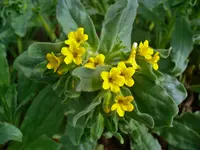
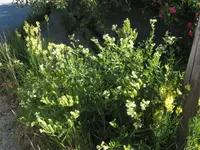
Yellow alkanet (Anchusa ochroleuca) is a short-lived perennial or biennial from the borage family, valued mainly for its abundant pale yellow flowers. It forms upright, branched stems with rough, hairy leaves and loose clusters of small, funnel-shaped blooms that attract bees and other pollinators.

This species is native to parts of southern and eastern Europe and western Asia, often found in dry grasslands, roadsides, and open, disturbed ground. It is generally easy to grow in sunny, well-drained sites, but its vigorous self-seeding and deep root system can make it persistent once established, which matters when planning how to care for yellow alkanet.

Main Plant Requirements

Care Difficulty

Easy Care

Light Preference

Full Sun

Water Requirements

Low Water

Temperature Preference

Cold Hardy

Hardiness Zone

4–9

Soil Texture

Sandy, Loamy, Rocky

Soil pH

Slightly acidic (6.5–7.0), Neutral (7.0)

Soil Drainage

Well-drained

Fertilization

Minimal (feed rarely)

Get Personalized Care Plan

Scan your plant to receive care tips personalized for your specific plant

Available on iOS and Android

How to Care for the yellow alkanet

Anchusa ochroleuca thrives in open, bright conditions that mimic dry meadows and roadside habitats.

  • Provide full sun for 6–8 hours per day; it flowers best with long, direct exposure from mid-morning to late afternoon.
  • It tolerates light partial shade, especially with morning sun and dappled afternoon light, but too much shade causes weak stems and reduced flowering.
  • In hotter regions, protect from intense late-afternoon summer sun with slight shade; monitor for leaf scorch or wilting during heat waves and adjust exposure accordingly.

This species prefers infrequent, deep watering and benefits from well-drained, slightly dry soil between waterings.

  • Water only when the top 3–5 cm of soil feels dry; in established garden plants, this may mean waiting until foliage just starts to lose some turgor in dry spells.
  • Ensure sharply drained soil using sand or grit; standing water around roots increases risk of rot and yellowing, even for drought-tolerant Anchusa ochroleuca.
  • In spring and early summer, water more deeply during prolonged dry periods, then reduce frequency in late summer and fall to let the plant harden and prepare for winter.

This hardy perennial grows best in temperate climates with cool to warm conditions and good air circulation.

  • Ideal growth occurs around 60–75°F (16–24°C), when roots establish strongly and flowering is most vigorous in well-drained soils.
  • Mature plants tolerate down to about 10–15°F (-12–-9°C) in the ground with good drainage, but young plants benefit from protection from hard freezes.
  • In hotter areas, it copes with short periods up to 90–95°F (32–35°C) if soil is not waterlogged; prolonged extreme heat may reduce flowering and shorten bloom duration.

This species handles dry outdoor air well and usually does not need humidity management.

This plant prefers lean, well-drained soil and struggles in wet, compacted conditions.

  • Use a gritty, sandy or sandy-loam mix with minimal organic matter to mimic its natural dry habitat.
  • Aim for slightly alkaline to neutral pH, around 7.0–8.0, avoiding strongly acidic mixes.
  • Combine garden soil with coarse sand or fine gravel to improve drainage and aeration for Anchusa ochroleuca.
  • Avoid heavy clay, peat-heavy, or water-retentive mixes that stay wet for more than 1 day after rain or watering.

This species can be grown in containers outdoors if the pot is set up to drain and dry quickly.

  • Choose a deep, narrow container that allows a taproot to develop without circling tightly near the base.
  • Use a heavy, stable pot or add stones at the bottom to reduce tipping from tall, airy flower stems in wind.
  • Select unglazed clay over plastic if possible, since its porous walls help excess moisture evaporate from the root zone.

Anchusa ochroleuca is adapted to lean soils and needs only light feeding in cultivation.

  • Use a balanced, slow-release fertilizer (around 10-10-10) or a thin layer of compost in spring.
  • Feed once at the start of active growth; a second light feeding mid-season is enough in poor soils.
  • Apply at half the label strength to avoid lush, weak growth and reduced flowering.
  • Avoid feeding during winter dormancy; stop applications 6–8 weeks before expected frost.

Pruning helps keep Anchusa ochroleuca compact and encourages a longer flowering period.

  • In late spring to mid-summer, deadhead spent flower stems down to a healthy leaf node to promote rebloom.
  • Remove dead, damaged, or crossing stems at the base with clean, sharp pruners to maintain an open shape.
  • After main flowering, lightly shear back lanky growth by 1/3 to reduce flopping and stimulate fresh foliage.
  • At the end of the season, cut back dry, brown stems close to ground level to tidy and reduce self-seeding.

Anchusa ochroleuca is usually grown in the ground, so focus on transplanting rather than frequent repotting.

  • Transplant young plants in early spring or early fall so roots establish in cool, moist conditions.
  • Shift container plants only when roots circle the pot, growth stalls, or watering frequency becomes very high.
  • Move up just 1 pot size, handling the deep taproot gently; avoid breaking the main root to reduce stress.
  • Water thoroughly after planting, then keep soil lightly moist for 1–2 weeks while new roots anchor in place.

Anchusa ochroleuca is most often propagated by seed, which suits its deep taprooted growth habit.

  • Sow fresh seeds in late summer or fall outdoors so natural winter chilling breaks dormancy.
  • For indoor sowing, provide 4–6 weeks of cold stratification at 35–40°F, then move to 60–68°F light conditions.
  • Use a free-draining seed mix; cover seeds very lightly and keep evenly moist, not waterlogged.
  • Allow some flower stalks to mature and self-seed if a naturalistic colony is desired when growing yellow alkanet.

Anchusa ochroleuca is generally cold hardy in temperate climates and needs minimal winter attention in the ground.

  • In regions with freezing winters, apply a loose 5–8 cm mulch around, not on, the crown after the ground cools.
  • Leave some stems standing until late winter to trap snow and shield the crown, then cut back before spring growth.
  • For container plants in colder zones, move pots to a sheltered, unheated space where temperatures stay above about 20°F.

Care Tips

Support Tall Stems

Install low, discreet stakes or a short ring support in early spring, before flowering stems elongate, so the plant grows through the support and resists flopping in wind or rain.

Encourage Successive Blooms

Deadhead spent flower spikes promptly by cutting back to a strong side shoot, which helps redirect energy into new flowering stems rather than seed production.

Manage Self-Seeding

If you want only a limited colony, remove seed heads as they dry or place breathable mesh bags over a few selected stems to collect seed while preventing uncontrolled self-sowing.

Root Zone Weed Control

Keep a 10–15 cm weed-free ring around the base using a thin gravel or coarse sand mulch, which reduces competition for nutrients and keeps the crown drier and less prone to rot.

Monitor For Rust

Check lower leaves regularly for small orange or brown pustules and, at first signs of rust, remove affected foliage and dispose of it in the trash to slow spread and protect the long-term success of growing yellow alkanet.

Common Pests and Diseases

Powdery mildew

This disease appears in crowded or humid conditions, forming a white, powdery film on leaves and stems and causing yellowing or distortion. Symptoms include reduced vigor and premature leaf drop in dense plantings of yellow alkanet.

Solution

Remove heavily infected leaves and thin crowded clumps to improve airflow and light penetration. Avoid overhead watering, water at soil level in the morning, and use a sulfur or potassium bicarbonate fungicide if infections recur, following label directions.

Leaf spot

This disease causes irregular brown, tan, or purplish spots on leaves that may merge into larger dead patches, especially in wet weather. Symptoms include a patchy, scorched appearance and early defoliation on lower foliage.

Solution

Prune and dispose of spotted leaves and any dead plant debris to reduce pathogen spread. Water at the base of the plant, not on the foliage, and if needed apply a copper-based fungicide early in the season when wet conditions are forecast.

Aphids

These insects cluster on soft stems and flower shoots, sucking sap and causing curling, yellowing, and distortion of new growth. This pest also excretes sticky honeydew that can attract sooty mold on foliage.

Solution

Dislodge colonies with a strong stream of water and remove heavily infested shoot tips. For persistent populations, use insecticidal soap or a ready-to-use neem oil spray, making sure to cover the undersides of leaves and repeating as needed according to the product label.

Spider mites

These pests thrive in hot, dry conditions, causing fine speckling, bronzing, and a dull, dusty appearance on leaves, sometimes accompanied by fine webbing. This pest can lead to leaf drop and overall decline if not checked.

Solution

Rinse foliage thoroughly with water, focusing on the undersides of leaves, and repeat several times over 1–2 weeks. In case of heavy infestations, apply horticultural oil or insecticidal soap, and keep the plant better hydrated with slightly higher humidity to slow mite reproduction.

Rust

This disease produces small orange, yellow, or brown pustules on the undersides of leaves, with pale or yellow spots visible on the upper surface. Symptoms include premature leaf yellowing and drop, particularly in moist, poorly ventilated sites.

Solution

Remove and discard infected leaves promptly and avoid overhead watering that keeps foliage wet. Improve spacing and airflow around plants, and where rust is recurring, apply a suitable systemic or contact fungicide early in the season as part of broader Anchusa ochroleuca care.

Interesting Facts

Southern European native

This species is naturally distributed from southern and eastern Europe into western Asia, where it grows in dry grasslands, roadsides, and disturbed, calcareous soils rather than in moist habitats.

Pale yellow flowers

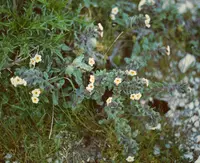
Unlike many Anchusa species that have deep blue flowers, this plant bears pale yellow to cream, tubular flowers, which makes it relatively easy to distinguish within the borage family Boraginaceae.

Rough, bristly foliage

The stems and leaves are covered in stiff, rough hairs, a typical borage-family trait that helps reduce herbivory and water loss in the dry, open habitats where it commonly occurs.

FAQs about yellow alkanet

This species can self-seed readily and form loose colonies, especially in open, disturbed soil. In mild climates it may feel persistent. Remove spent flower stalks before seed set and thin unwanted seedlings yearly to limit spread.

Grow Healthy Plants with Botan Care

Keep your plants happy and healthy with plant identification, disease detection, and easy care guidance.

Botan plant care app — identify plants on mobile

Explore More Plants