Gritty mulch ring
Apply a 2–3 cm ring of coarse grit or small gravel around the crown to keep the neck dry, reduce crown rot risk, and discourage slugs from reaching young shoots when growing Oriental Alkanet.

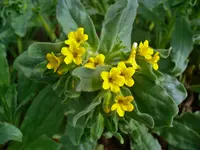
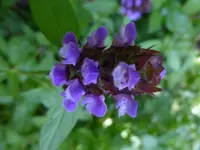
Oriental alkanet (Alkanna orientalis) is a small, clumping perennial herb grown mainly for its silvery, softly hairy foliage and deep blue flowers. It forms low mounds that suit rock gardens, dry borders, and gravel plantings.
This species is native to dry, rocky regions of the eastern Mediterranean and western Asia, so it is naturally adapted to poor, well-drained soils and low to moderate moisture. Once established, it tends to be drought tolerant but dislikes heavy, waterlogged ground.
It is generally considered easy to moderate to grow, as long as winter drainage and full sun are provided. Gardeners who understand how to care for Oriental Alkanet usually find it long lived and reliable in suitable climates.

Care Difficulty
Easy Care

Light Preference
Full Sun

Water Requirements
Low Water

Temperature Preference
Cool Climate

Hardiness Zone
4–8

Soil Texture
Sandy, Loamy, Rocky

Soil pH
Slightly acidic (6.5–7.0), Neutral (7.0)

Soil Drainage
Well-drained

Fertilization
Minimal (feed rarely)
Scan your plant to receive care tips personalized for your specific plant
Available on iOS and Android
This sun-loving perennial performs best in bright, open garden sites with lean, well-drained soil.
This drought-tolerant species prefers infrequent, deeper watering once established.
This hardy perennial prefers temperate, dry climates with cool to warm conditions.
This species tolerates typical outdoor humidity and does not need special humidity management.
This species prefers lean, well-drained mineral soils that stay on the dry side between waterings.
This species can be grown in containers if the pot is set up to drain quickly and stay relatively dry.
This drought-tolerant perennial needs only light feeding on poor soils; rich ground often needs no extra fertilizer.
Pruning Alkanna orientalis is simple and mainly aims to keep plants tidy and flowering well.
This species is usually grown in open ground, so focus on careful transplanting rather than frequent repotting.
Alkanna orientalis is most often propagated from seed, with some gardeners also using careful division of young plants.
This hardy perennial tolerates typical temperate winters and usually needs minimal special care.

Plant Health Check
Not sure what's wrong with your plant? Check your plant's health inside the app.
The roots of this species contain naphthoquinone pigments that yield a stable blue dye traditionally used for coloring textiles and occasionally foods in parts of its native range.
This plant is naturally adapted to dry, stony slopes and steppe habitats from the eastern Mediterranean to western Asia, where its deep root system helps it survive long summer droughts.
In its native habitats it flowers in spring and early summer, providing nectar and pollen for bees and other insects at a time when floral resources in dry landscapes can be limited.

Alkanna orientalis has long been cultivated in traditional agriculture systems as a minor dye crop, and historical records from the Middle East and eastern Mediterranean mention its roots among local plant sources used to produce durable blue and violet shades for cloth and decorative crafts.
This species spreads moderately by seed and short rhizomes, forming loose clumps rather than dense mats. It can self-seed, but in most garden settings it is manageable with occasional thinning and deadheading before seed set.
Keep your plants happy and healthy with plant identification, disease detection, and easy care guidance.