True Rose of Jericho Care (Anastatica hierochuntica)

Also known as: Dinosaur Plant, Jericho Rose, Mary's Flower, Mary's Hand, Palestinian Tumbleweed, Resurrection Plant, Rose of Jericho, St. Mary's Flower, Wheel
True Rose of Jericho

About True Rose of Jericho

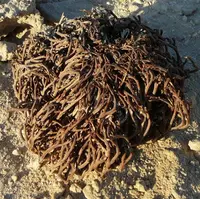
True rose of Jericho, Anastatica hierochuntica, is a small annual desert plant from arid regions of the Middle East and North Africa. In nature it survives extreme drought by drying into a tight, gray-brown tumbleweed-like ball that can rehydrate when exposed to moisture.

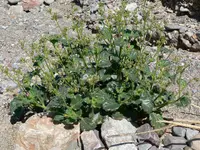
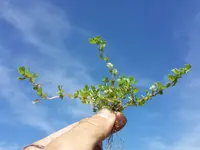
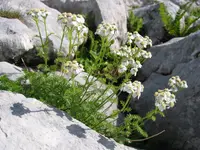
Its foliage is fine and branching, with tiny leaves and small pale flowers during its brief active season in the wild. As a curiosity plant it is usually kept for its dramatic dry-to-green transformation rather than long-term leafy growth.

Because it naturally endures harsh conditions, it is quite forgiving, but understanding how to care for True Rose of Jericho still helps. It prefers bright light, periodic moisture, and free-draining, mineral-rich conditions that mimic its native desert soils.

Main Plant Requirements

Care Difficulty

Moderate Care

Light Preference

Full Sun

Water Requirements

Low Water

Temperature Preference

Warm Climate

Hardiness Zone

Unknown

Soil Texture

Sandy, Rocky

Soil pH

Neutral (7.0), Slightly alkaline (7.0–7.5)

Soil Drainage

Well-drained

Fertilization

Minimal (feed rarely)

Get Personalized Care Plan

Scan your plant to receive care tips personalized for your specific plant

Available on iOS and Android

How to Care for the True Rose of Jericho

This desert annual prefers strong sun but can adapt to slightly gentler exposures in hot climates.

  • Provide 6–8 hours of direct sun daily; in very hot regions, favor morning sun with light afternoon shade to reduce leaf scorch.
  • Outdoors, full sun is suitable if soil does not stay soggy; in extremely intense afternoon sun, use 30–40% shade cloth or nearby plants for filtered light.
  • If growth becomes pale or stretched, light is too low; if foliage crisps or bleaches, reduce afternoon sun or increase shading for True Rose of Jericho.

Watering for this desert species focuses on brief moisture followed by thorough drying.

  • Allow soil to dry completely between waterings; in active growth, wait until at least the top 5 cm are bone-dry before adding water again.
  • Use very fast-draining, gritty soil so water runs through in seconds; avoid any container or bed where water stands longer than 10–15 minutes to prevent root rot.
  • If foliage shrivels yet soil is dry, rehydrate deeply once; if stems soften while soil is damp or smells sour, reduce watering and improve drainage for Anastatica hierochuntica.

This species is adapted to hot, dry regions but has defined limits for both heat and cold.

  • Aim for 70–90°F (21–32°C) during active growth, as warm conditions promote faster development and drying between waterings.
  • Plants tolerate brief heat up to 100–105°F (38–41°C) if soil is very well drained and air is moving, but prolonged extreme heat can shorten the life cycle.
  • Avoid frost; growth slows sharply below 55°F (13°C), and sustained temperatures under 40°F (4°C) can kill living tissue even if the dried seed head survives.

This desert annual tolerates very dry air and does not require elevated humidity.

  • Prefers 20–40% humidity, similar to arid indoor air, without any special increase.
  • Shows humidity stress mainly as prolonged failure to rehydrate or crisping of finer branch tips during active growth.
  • Improving humidity is usually unnecessary; instead, ensure brief soaking periods and full drying cycles, which matter more than air moisture.

This species prefers very fast-draining, sandy soil that dries out completely between soakings.

  • Use a mix of roughly 60–70% coarse sand or grit with 30–40% mineral potting substrate to mimic desert conditions.
  • Aim for neutral to slightly alkaline pH (about 7.0–8.0), avoiding strongly acidic peat-based mixes.
  • Ensure water drains through in seconds; add extra perlite or pumice if water lingers on the surface or the pot feels heavy for long.
  • Avoid dense, high-organic, or water-retentive soil, which causes root rot and prevents Anastatica hierochuntica from completing its dry-rest cycle.

This species is suitable for container growing when the setup emphasizes rapid drainage and full drying.

  • Choose a shallow, wide pot so roots spread in a thin layer that dries quickly after each soak.
  • Select unglazed clay to let moisture evaporate through the pot walls and prevent prolonged soggy conditions.
  • Raise the pot slightly on feet or pebbles so drainage holes stay clear and water exits within moments of watering.

This desert annual has very low nutrient demand, so fertilizing is optional and should stay light.

  • If desired, use a balanced liquid NPK fertilizer at 1/4 strength during active green growth only.
  • Feed no more than every 4–6 weeks in the short growing season when True Rose of Jericho is hydrated and producing foliage.
  • Avoid compost-heavy mixes; use a lean, sandy medium so roots do not stay wet and overloaded with nutrients.
  • Stop feeding completely during dry dormancy, when the plant is curled and inactive.

Pruning needs for Anastatica hierochuntica are minimal and focus on tidiness after its annual life cycle.

  • Best timing is after the plant finishes its life cycle and seed set, when stems dry naturally.
  • Remove only dead, broken, or moldy tissue, leaving intact seed heads if seed collection is desired.
  • Light trimming of dry, brittle stems can improve appearance but does not stimulate new growth in this annual.
  • Use clean, fine scissors and make small cuts to avoid shattering mature seed pods unintentionally.

This species is usually grown as a short-lived annual in small containers, so repotting is seldom required.

  • Consider transplanting only if roots circle the container or drainage becomes poor in the sandy mix.
  • Start seeds or young plants in their final pot in late winter–spring to avoid later disturbance.
  • If transplanting, move during active growth, keeping the root ball intact and transferring into similar, very well-drained soil.
  • Water lightly after transplanting and keep the plant in bright, indirect light for a few days to reduce root stress.

Propagation of Anastatica hierochuntica is almost always done from seed rather than vegetative methods.

  • Collect mature, dry seed heads at the end of the life cycle and store seeds in a cool, dry place.
  • Sow seeds in late winter–spring on the surface of a very well-drained, sandy substrate.
  • Provide bright light, warm temperatures around 70–80°F, and only light, occasional moisture for germination.
  • Avoid waterlogging; allow the surface to dry slightly between light waterings to limit fungal problems.

This desert annual is not frost hardy and is usually treated as a dried ornamental rather than overwintered as a living plant.

  • Outdoor plants typically die with cold or drought; collect seeds instead of trying to overwinter them.
  • If grown in a pot, allow the plant to dry fully and store the dry rosette indoors in a cool, dry space.
  • Do not water in winter dormancy; rehydrate only when starting a new growth or display cycle.

Care Tips

Hydration Cycle Timing

Keep the plant hydrated for 3–7 days, then allow it to dry completely for at least 2 weeks to reduce microbial growth and mimic its natural desert dormancy cycle.

Use Shallow Dishes

Place the plant in a wide, shallow dish and add only 0.5–1 cm of water so the roots and lower stems rehydrate without submerging the whole rosette, which helps prevent rot.

Rinse Between Cycles

After each wet period, gently rinse the plant under lukewarm running water to remove dust, algae, and any early mold before letting it dry fully.

Monitor Salts Buildup

Use distilled or rainwater and occasionally soak and then fully dry the plant to flush any mineral salts that can accumulate and damage tissues over repeated cycles when caring for True Rose of Jericho.

Rotate For Even Opening

Rotate the dish 90° every day or two during hydration so the rosette opens more symmetrically and all sides receive similar light exposure.

Common Pests and Diseases

Powdery mildew

This disease can appear when plants are kept damp in low airflow, especially during repeated wet–dry cycles. Symptoms include white, powdery patches on stems and any remaining foliage or new growth.

Solution

Increase air circulation around the plant, avoid keeping it constantly wet, and allow full drying between soaking cycles. Remove affected tissue and, if the plant is kept in active leafy growth, use a sulfur or potassium bicarbonate fungicide labeled for ornamental plants, applied according to label directions.

Stem mold

This disease develops on persistently wet, dead, or semi-dormant stems and appears as soft, discolored, sometimes fuzzy growth along the plant base. Symptoms include a musty odor and localized collapse of twig sections.

Solution

Discard severely moldy clumps and start with clean, dry material, as this species is often grown as a disposable annual structure. For mild cases, rinse the plant under running water, then dry it thoroughly in strong light with good airflow and avoid long periods of partial moisture in future soaking cycles.

Storage fungal rot

This disease affects dried seed heads or dormant balls stored in humid conditions, leading to dark spots, crumbly tissues, and loss of viable seeds. Symptoms include a dusty, gray or black fungal growth inside the dried cluster.

Solution

Store dry plants and seeds in breathable paper bags in a cool, low-humidity place with 30–50% relative humidity. Discard any clusters showing extensive discoloration or mold and only rehydrate clean, firm, and evenly brown material to maintain good Anastatica hierochuntica plant care.

Spider mites

These insects sometimes colonize plants kept in warm, very dry indoor air, especially when the plant is encouraged to grow soft green shoots. This pest causes stippling on any foliage and very fine webbing near growing tips or between branchlets.

Solution

Rinse the plant under a gentle but thorough stream of lukewarm water and repeat every few days until activity drops. For persistent populations on actively growing plants, apply an insecticidal soap or horticultural oil labeled for mites, making sure to cover all surfaces and improving humidity and airflow to reduce reinfestation.

Interesting Facts

Extreme desert annual

This species is a true desert annual that completes its life cycle only after rare rain events, then survives long dry periods as a dead, seed-bearing skeleton that can remain viable for several years.

Hygroscopic seed dispersal

The dry plant curls tightly into a ball and opens again when wetted because its dead tissues are hygroscopic, meaning they absorb water and swell, helping release seeds when moisture is available.

Heat and salt tolerance

Living plants in their native habitats show strong tolerance to high temperatures and saline soils, and have been used as a model species in research on stress physiology and crop resilience.

Botan icon

Did you know?

This species is one of the very few flowering plants recorded from some of the hottest deserts of the Middle East, where summer ground temperatures can exceed those tolerated by most other vascular plants, making it a valuable model for studying extreme heat adaptation.

FAQs about True Rose of Jericho

Yes. This species is usually grown from seed rather than from cuttings. Sow on the surface of a gritty, free-draining mix, keep barely moist, and provide strong light and warmth to improve germination and early seedling survival.

Grow Healthy Plants with Botan Care

Keep your plants happy and healthy with plant identification, disease detection, and easy care guidance.

Botan plant care app — identify plants on mobile

Explore More Plants