Orange-peel Clematis Care (Clematis tangutica)

Also known as: Oriental Clematis, Yellow Clematis
Orange-peel Clematis

About Orange-peel Clematis

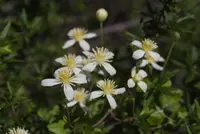
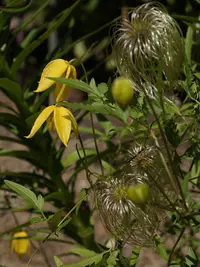
Orange-peel clematis (Clematis tangutica) is a deciduous climbing vine known for its bright yellow, lantern-shaped flowers and attractive silky seed heads. It is often grown on trellises, fences, or arbors, where it creates a light, airy screen.

This species is native to parts of central Asia, including China and Mongolia, and adapts well to many temperate gardens. It tends to be vigorous and can spread quickly, which makes it rewarding but slightly demanding to control.

Clematis tangutica generally prefers sun to light shade, moderate moisture, and well-drained soil. Understanding how to care for Orange-peel Clematis becomes easier once its vigorous, sun-loving nature is recognized.

Main Plant Requirements

Care Difficulty

Moderate Care

Light Preference

Full Sun

Water Requirements

Moderate Water

Temperature Preference

Cold Hardy

Hardiness Zone

3–9

Soil Texture

Sandy, Loamy, Organic-rich

Soil pH

Acidic (5.5–6.5), Slightly acidic (6.5–7.0)

Soil Drainage

Moist but well-drained

Fertilization

Light (every 4–6 weeks)

Get Personalized Care Plan

Scan your plant to receive care tips personalized for your specific plant

Available on iOS and Android

How to Care for the Orange-peel Clematis

This vigorous climber thrives with ample direct sun but tolerates some shade at the base.

  • Provide 6–8 hours of direct sun daily, ideally with morning sun and some light afternoon shade in hotter regions to protect stems and flowers.
  • Allow the base and roots of Orange-peel Clematis to remain shaded by mulch or low plants while the upper vines reach full sun exposure.
  • In cooler seasons, maximize light by avoiding heavy shade; in hot summers, use filtered light during the strongest midday sun to prevent leaf scorch.

This species prefers evenly moist, cool soil around the roots without remaining waterlogged.

  • Water when the top 3–5 cm of soil feels dry, then soak the root zone deeply so moisture penetrates 20–30 cm, especially during active growth and flowering.
  • In summer, expect to water more often during hot, dry spells; in spring and fall, extend intervals, and in winter rely mostly on natural rainfall unless conditions are very dry.
  • Watch for wilted, dry, crispy leaves as a sign of underwatering, and for yellowing, soft stems or a sour soil smell as indicators of overwatering and poor drainage around Clematis tangutica.

This hardy vine is adapted to cool winters and mild to warm summers.

  • Optimal growing temperatures are around 60–75°F (16–24°C), with strong root development and flowering in typical spring and early summer conditions.
  • The plant is cold-hardy, tolerating winter lows near -20°F (-29°C) when established, but young plants benefit from mulch to buffer rapid freeze–thaw cycles.
  • In hot climates, it manages brief periods up to about 90°F (32°C) if soil is kept cool and moist; prolonged extreme heat or hot, dry winds can stress foliage and reduce flowering.

Humidity is not a major factor for Clematis tangutica, which adapts well to typical outdoor levels in most temperate gardens.

  • Performs reliably in 30–60% humidity without special adjustment in most regions.
  • Tolerates drier air if roots are kept evenly moist and soil does not fully dry out.
  • Watch for crisp leaf edges and stalled growth during hot, very dry spells, then increase soil moisture and provide light mulch rather than misting.

Clematis tangutica prefers deep, moisture-retentive but free-draining soil that supports extensive root growth.

  • Use a loamy soil with plenty of organic matter such as compost or well-rotted manure to hold moisture while remaining open.
  • Aim for neutral to slightly alkaline conditions, roughly pH 6.5–7.5, and avoid strongly acidic substrates unless lime is added.
  • Improve drainage and aeration by incorporating coarse sand or fine grit plus bark chips into heavy or compacted ground before planting.
  • Avoid waterlogged clay, shallow stony soil, and thin, fast-drying sand, which lead to weak growth and higher risk of root rot.

This species can grow successfully in containers when the pot is large, stable, and drains efficiently.

  • Choose a tall, heavy container to anchor the vigorous vine and reduce tipping from wind or top growth weight.
  • Select a pot volume that allows a deep, cool root run, then shade the container sides with low plants or mulch to reduce overheating.
  • Use a free-draining, compost-rich mix and elevate the pot on feet or bricks so drainage holes stay clear and runoff leaves quickly.

Clematis tangutica benefits from moderate, targeted feeding to support flowering and vine growth.

  • Apply a balanced slow-release fertilizer (around 10-10-10) at half strength once in early spring as new growth starts.
  • Top-dress with a thin layer of compost in late spring to improve soil structure and provide gentle nutrients for Orange-peel Clematis.
  • During peak growing season, use a diluted liquid balanced feed every 4–6 weeks if growth or flowering is weak.
  • Stop feeding in late summer and avoid fertilizing in fall and winter to prevent soft, frost-prone growth.

Clematis tangutica responds well to structured pruning, which maintains vigor and flowering.

  • Carry out main pruning in late winter to early spring before buds break, using clean, sharp bypass pruners.
  • Cut back most stems to 30–60 cm from the base, leaving strong buds to encourage dense new flowering growth.
  • Remove dead, damaged, or congested stems entirely to improve air circulation and reduce disease risk.
  • Lightly trim back spent flowering shoots in summer if needed to manage size or tidy the plant.

This clematis is more often planted in the ground, so transplanting is more relevant than frequent repotting.

  • Transplant in early spring or early fall when temperatures are mild and soil is workable, avoiding hot or freezing periods.
  • Look for roots circling the pot, water running straight through, or stalled growth as signs a container plant needs more space.
  • Move up only 1 pot size, keeping the root ball as intact as possible and setting the crown just below soil level.
  • Water thoroughly after planting, shade the base for 1–2 weeks, and keep soil evenly moist to limit transplant shock.

Clematis tangutica is commonly propagated by seeds, semi-ripe cuttings, or simple layering.

  • Take semi-ripe stem cuttings in mid to late summer, using non-flowering shoots about 8–10 cm long with 2–3 nodes.
  • Insert cuttings into a free-draining mix, keep at 65–75°F with high humidity, and provide bright but indirect light.
  • For layering, bend a low stem to the soil in spring, pin it down, cover with soil, and sever once well rooted.
  • Sow fresh seeds in pots outdoors and allow natural cold stratification over winter for more reliable germination.

This species is quite cold hardy and usually needs only minimal winter care in most temperate gardens.

  • Tolerates frost in the ground, but young or newly planted vines benefit from light winter protection.
  • Apply a 5–8 cm mulch layer around the root zone in late fall, keeping it slightly away from the stems.
  • In very cold regions, add evergreen boughs or a breathable cover over the base to reduce freeze–thaw stress.
  • Move container-grown plants to a sheltered, unheated but frost-sheltered spot and avoid waterlogged soil.

Care Tips

Early vine training

Install a sturdy trellis or wires before new shoots reach 15–20 cm, then gently fan and tie young stems with soft ties so the plant develops an open, well-supported framework that resists wind damage.

Base shading strategy

Mulch the root zone with 5–8 cm of organic mulch and plant low, shallow-rooted perennials or groundcovers nearby to keep the root area cool and moist while allowing the top growth to remain in full sun.

Flowering tunnel management

As long vines form dense curtains, selectively thin and redirect a few stems each year along the support to maintain airflow inside the tangle and reduce the risk of fungal issues after rain.

Seed fluff control

If the decorative seed heads shed too much, shear or hand-cut sections of fluffy seed clusters before they fully disperse to limit self-seeding and keep paths and neighboring beds tidy when growing Orange-peel Clematis.

Support anchoring check

Inspect and tighten fixings of arches, pergolas, and trellises at least once a year, since the mature vine becomes heavy and needs a rigid, well-anchored structure to prevent collapse in storms.

Common Pests and Diseases

Clematis wilt

This disease causes sudden blackening and collapse of stems, often just as plants come into active growth or flowering. Symptoms include shriveled leaves that hang limply while the rest of the plant may still look healthy at first.

Solution

Cut affected stems back into healthy green tissue, disinfect pruning tools between cuts, and remove all fallen infected material from the soil surface. Encourage strong regrowth by keeping the root zone evenly moist, mulched, and shaded, and avoid mechanical damage or sudden drought stress that predispose plants to this problem, following general Clematis tangutica care instructions for planting depth and support.

Powdery mildew

This disease produces white, powdery patches on leaves and stems, often during warm days with cool, humid nights. Symptoms include yellowing, distorted foliage and reduced flowering if the problem is severe.

Solution

Remove and discard the worst-affected leaves to lower spore load, then improve air circulation by thinning congested growth and keeping the vine on an open support. Water at the base in the morning, avoid wetting foliage, and use a sulfur or potassium bicarbonate-based fungicide if conditions stay favorable for mildew development.

Aphids

These insects cluster on young shoots and flower buds, sucking sap and excreting sticky honeydew that can lead to sooty mold. Symptoms include curled or distorted new leaves and reduced vigor in new growth.

Solution

Spray colonies off with a firm stream of water, then inspect regularly during spring flushes of growth. If populations persist, apply insecticidal soap or a horticultural oil, targeting the undersides of leaves and tender shoots, and support natural predators by avoiding broad-spectrum insecticides nearby.

Slugs and snails

These pests feed on tender young shoots and leaves near the base, especially on newly planted vines. Symptoms include irregular holes in foliage and cut-off shoots close to soil level, often appearing overnight.

Solution

Hand-pick slugs and snails in the evening, and use barriers such as copper tape or sharp grit around the plant base. Reduce hiding places like dense mulch touching stems, and if needed, apply iron phosphate-based slug bait according to label directions, taking care around pets and wildlife.

Spider mites

These pests thrive in hot, dry conditions and feed on leaf undersides, causing fine speckling and a dull, grayish cast to foliage. Symptoms include very fine webbing between leaf stalks and leaves that may yellow and drop prematurely under heavy infestation.

Solution

Rinse foliage thoroughly with water, including leaf undersides, to knock down populations and raise local humidity. For persistent infestations, use insecticidal soap or horticultural oil, repeating applications as directed, and avoid drought stress, which favors mite buildup when growing Orange-peel Clematis.

Interesting Facts

Autumn-blooming climber

This species flowers late in the season, typically from late summer into autumn, producing nodding, lantern-like yellow blossoms when many other climbers have finished blooming.

Silky seed plumes

After flowering, it forms distinctive silver-white, feathery seed heads that persist into winter and aid wind dispersal of the small dark seeds.

Rocky-steppe origins

The plant is native to dry, rocky slopes and steppe habitats of central Asia and northern China, which explains its good tolerance of cold winters and relatively poor, well-drained soils.

Botan icon

Did you know?

In some parts of Europe, Clematis tangutica has escaped from cultivation and naturalized along railways, riverbanks, and disturbed ground, where its vigorous growth allows it to form dense, scrambling thickets over shrubs and small trees.

FAQs about Orange-peel Clematis

Poor flowering usually comes from heavy pruning at the wrong time, excessive shade, low nutrients, or plant immaturity. Leave some older stems, ensure adequate light, and apply a balanced, low-nitrogen fertilizer in spring to support bud formation.

Grow Healthy Plants with Botan Care

Keep your plants happy and healthy with plant identification, disease detection, and easy care guidance.

Botan plant care app — identify plants on mobile

Explore More Plants