water birch Care (Betula occidentalis)

Also known as: Black birch, Red birch, Mountain birch, River birch, Western birch, spring birch
water birch

About water birch

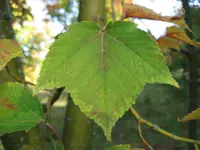
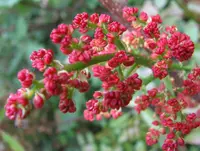
Water birch, Betula occidentalis, is a small to medium deciduous tree or large shrub native to stream banks and moist valleys in western North America. It often forms multi-stemmed clumps with shiny reddish-brown bark that becomes darker and furrowed with age.

This species thrives in cool to cold climates and naturally grows in wet soils, often alongside rivers and lakes. It tolerates seasonal flooding and is relatively resilient once established.

Because it prefers consistent moisture and does not like prolonged drought, it is moderately easy to grow only where water is reliable. Those who want to learn how to care for water birch should focus on providing steady moisture and well-drained, humus-rich soil.

Main Plant Requirements

Care Difficulty

Moderate Care

Light Preference

Full Sun

Water Requirements

Regular Water

Temperature Preference

Cold Hardy

Hardiness Zone

2–7

Soil Texture

Sandy, Loamy, Silty

Soil pH

Acidic (5.5–6.5), Slightly acidic (6.5–7.0)

Soil Drainage

Waterlogged tolerant

Fertilization

Minimal (feed rarely)

Get Personalized Care Plan

Scan your plant to receive care tips personalized for your specific plant

Available on iOS and Android

How to Care for the water birch

This moisture-loving birch performs best in consistently bright outdoor light conditions.

  • Provide full sun to light shade, with 4–8 hours of direct sun daily; in hotter regions, favor morning sun with light afternoon shade.
  • Site water birch along streambanks or in open areas where taller trees or buildings do not block light for most of the day.
  • Watch for stress: scorched leaves indicate intense, dry, afternoon sun, while sparse, leggy growth signals too much shade.

This species is adapted to moist habitats and needs evenly damp soil without long dry periods.

  • Aim for soil that stays consistently moist to 10–15 cm depth; do not allow the root zone to dry hard, especially in the first 2–3 years after planting.
  • In spring and summer, increase watering during dry spells so the top 5 cm never becomes dusty; reduce frequency in fall as growth slows and in winter when soil is cold.
  • For Betula occidentalis, yellowing leaves with soft, dark roots suggest poor drainage and overwatering, while crisp browning leaf edges and early leaf drop indicate drought stress.

This hardy birch tolerates significant cold but grows best in cool to moderate climates.

  • Optimal growing temperatures are about 60–75°F (16–24°C) during the active season, with cool nights improving vigor and leaf quality.
  • Mature trees withstand winter lows near -40°F (-40°C), but newly planted specimens benefit from protection from severe wind chill their first 1–2 winters.
  • Heat above 90°F (32°C), especially with low humidity, can cause leaf scorch; provide mulch, reliable soil moisture, and, where possible, light afternoon shade in hot summers.

This riparian birch tolerates varied humidity but grows best with moderately moist air.

  • Aim for 40–60% humidity, which matches conditions near streams where water birch naturally occurs.
  • It tolerates brief dry indoor air but prolonged levels below 30% can cause browning leaf edges and premature drop.
  • Increase humidity by grouping plants near a water source, using a nearby humidifier, or placing containers outdoors in sheltered, moist microclimates when possible.

This species prefers moist, deep, aerated soil that does not stay waterlogged.

  • Use a loamy mix with roughly 40% compost, 40% topsoil, and 20% coarse sand to mimic alluvial riverbank soils.
  • Ensure consistent moisture with slow drainage but avoid standing water, which favors root rot and weak anchoring.
  • Target a slightly acidic to neutral pH of 6.0–7.0, amending alkaline sites with composted leaf mold or peat-free acidic organic matter.
  • For Betula occidentalis plant care in heavy clay, improve aeration by incorporating coarse sand or fine gravel through at least the top 20–30 cm.

This birch can be grown in large containers for a limited number of years, mainly as a juvenile specimen.

  • Select a deep, heavy container to counteract wind rock and accommodate its vertically oriented root system.
  • Choose thick-walled ceramic or concrete pots that slow moisture loss and add stability for the developing trunk.
  • Raise the pot on feet or blocks so drainage holes stay clear and excess irrigation water exits quickly after watering.

This riparian native usually grows well in average soil, but light feeding can support young or stressed Betula occidentalis.

  • Use a balanced slow-release fertilizer (such as 10-10-10) or a thin layer of compost in early spring.
  • Apply once in spring and, if growth is weak, once more in mid-summer during the active growing season.
  • Reduce or stop feeding in late fall and winter when the tree is dormant.
  • Use fertilizers at half the label strength to avoid salt buildup and root burn.

Pruning Betula occidentalis focuses on safety, structure, and removal of unhealthy wood rather than heavy shaping.

  • Schedule main pruning in late winter to very early spring, before sap flow and leaf-out.
  • Remove dead, diseased, crossing, or storm-damaged branches first to maintain a stable framework.
  • Thin congested interior twigs lightly to improve air flow while keeping the natural form.
  • Use clean, sharp bypass pruners or loppers and make smooth cuts just outside the branch collar.

This species is usually grown as a landscape tree, so care focuses on transplanting young specimens rather than long-term containers.

  • Transplant in early spring or early fall, when heat stress is low and soil is workable.
  • Look for roots circling the pot, slow growth, or the root ball drying very quickly as signs it has outgrown its container.
  • Move up only 1 pot size, gently loosen circling roots, and keep the root ball intact to limit shock.
  • Water thoroughly after planting, maintain even moisture, and apply a 5–8 cm mulch ring to stabilize soil temperature.

Propagation of Betula occidentalis is possible from seed and softwood cuttings but requires attention to timing and moisture.

  • Collect ripe seeds in late summer to fall, then stratify cold and moist at 34–40°F for 6–8 weeks before sowing.
  • Sow on the surface of a sterile, fine mix, keep evenly moist, and provide bright, indirect light for germination.
  • Take softwood cuttings in late spring to early summer, using non-flowering shoots 8–12 cm long.
  • Dip cut ends in rooting hormone, place in a humid, well-drained medium, and maintain high humidity with good air flow.

This cold-hardy birch tolerates typical winters in much of its range and usually needs minimal special care.

  • Mature trees withstand freezing conditions, but young trees benefit from a 5–8 cm mulch layer over the root zone.
  • Keep mulch a few cm away from the trunk to prevent rot and rodent damage.
  • Container-grown specimens in very cold regions should be moved to a sheltered, unheated but frost-moderated location.

Care Tips

Prioritize single leader

In the first 3–5 years, select one strong central stem and lightly remove competing uprights to build a stable main trunk that better resists wind and ice loads.

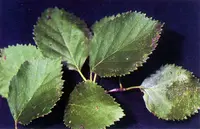
Protect from trunk scorch

On exposed sites, wrap the southwest side of young trunks with a breathable tree wrap from late fall to early spring to reduce sunscald and bark splitting.

Maintain cool root zone

Apply a 5–8 cm layer of coarse organic mulch over the root area, keeping it 5–8 cm away from the trunk, to keep roots cooler and reduce moisture stress during summer.

Plan for suckering

Expect and manage root suckers annually by cutting them cleanly at the point of origin, rather than pulling, to prevent tearing tissue and encouraging even more shoots.

Monitor for borers

When caring for water birch in warm or drought-prone areas, inspect trunks and major branches twice a year for small exit holes, sawdust-like frass, or dieback, and address stress factors promptly to reduce borer attacks.

Common Pests and Diseases

Bronze birch borer

This pest is a metallic wood-boring beetle whose larvae tunnel under the bark, disrupting water and nutrient flow and causing canopy dieback, especially on stressed trees near the warm edge of the species range.

Solution

Prune and destroy infested branches showing dieback, avoid trunk injury, and keep the tree well watered during drought to reduce stress. In high-risk areas, consider preventive trunk injections or soil-applied systemic insecticides labeled for borers, applied by a licensed professional before significant infestation develops as part of Betula occidentalis care instructions.

Birch leafminer

This pest is a small sawfly whose larvae feed between the upper and lower leaf surfaces, causing blotchy, brown, papery patches on leaves.

Solution

Rake and dispose of fallen leaves in autumn to reduce overwintering pupae, and prune out heavily mined foliage if practical. In areas with repeated damage, use targeted systemic insecticides or horticultural oil applications timed to adult emergence based on local extension advice.

Aphids

These insects cluster on young shoots and leaf undersides, sucking sap and causing curled, sticky leaves that may develop sooty mold on the honeydew they excrete.

Solution

Spray colonies off with a strong stream of water and encourage natural predators such as lady beetles by avoiding broad-spectrum insecticides. For persistent infestations, use insecticidal soap or horticultural oil thoroughly on affected shoots, repeating as needed according to label directions.

Leaf spot

This disease, often caused by fungal pathogens such as Septoria or Discula, produces small brown to black spots that may coalesce, leading to premature leaf drop during wet seasons.

Solution

Remove and dispose of fallen, infected leaves to reduce spore levels, and avoid overhead watering that keeps foliage wet. In severe, recurring cases, apply a labeled ornamental tree fungicide at bud break and repeat as directed, especially in wet springs, and improve air circulation by selective thinning of crowded branches.

Cytospora canker

This disease is caused by a stress-related fungus that infects through bark injuries, forming sunken cankers, oozing resin, and branch dieback, particularly on drought- or heat-stressed trees.

Solution

Prune out affected branches several inches below visible cankers during dry weather and disinfect pruning tools between cuts. Reduce plant stress by watering during prolonged dry periods, mulching the root zone without covering the trunk, and preventing mechanical damage to the bark so the tree can resist new infections.

Interesting Facts

Streambank stabilization specialist

This species commonly anchors the banks of streams and rivers in western North America, with its dense, fibrous root system helping reduce erosion and stabilize gravelly or sandy substrates.

High flood tolerance

Water birch tolerates periodic flooding and saturated soils better than many other birch species, allowing it to form thickets along dynamic watercourses that experience seasonal water level changes.

Wildlife support hub

Its catkins and buds provide food for birds and small mammals, while the bark and leaves host various moth and butterfly larvae, making it an important structural and nutritional component of riparian ecosystems.

Botan icon

Did you know?

Archaeological and ethnobotanical studies show that several Indigenous groups in western North America relied on its tough, flexible twigs and bark for making items such as basketry frames, cordage, and simple tools, taking advantage of the species’ combination of strength and pliability in wet environments.

FAQs about water birch

Yellowing leaves often result from water stress, compacted or poorly drained soil, or nutrient imbalance, especially low nitrogen or iron. Check soil moisture, improve drainage if needed, and consider a soil test before adjusting fertilizer.

Grow Healthy Plants with Botan Care

Keep your plants happy and healthy with plant identification, disease detection, and easy care guidance.

Botan plant care app — identify plants on mobile

Explore More Plants