Protect Winter Bark
Install a short, open slatted fence or shrub screen on the windward side to reduce winter wind scorch and help preserve the decorative green and white bark on exposed trunks and branches.

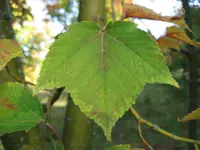
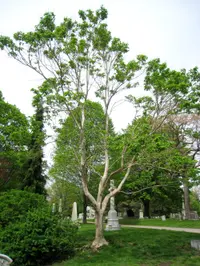
Honshū maple (Acer rufinerve) is a small to medium deciduous tree from mountain forests of Japan, especially Honshū. It belongs to the snakebark maple group, known for smooth bark with green, white, or bluish vertical striping that becomes more striking with age.
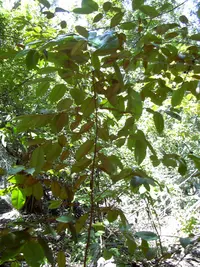
The tree has a rounded to upright habit, with fresh green leaves that turn yellow, orange, or red in fall. It is valued more for bark and seasonal color than for flowers.
Acer rufinerve is generally considered manageable for temperate gardens if given cool roots, consistent moisture, and well-drained, slightly acidic soil. Understanding how to care for Honshū maple helps prevent stress from heat, drought, or poor drainage.

Care Difficulty
Moderate Care

Light Preference
Partial Shade

Water Requirements
Moderate Water

Temperature Preference
Cold Hardy

Hardiness Zone
5–7

Soil Texture
Loamy, Silty, Organic-rich

Soil pH
Acidic (5.5–6.5), Slightly acidic (6.5–7.0)

Soil Drainage
Moist but well-drained

Fertilization
Minimal (feed rarely)
Scan your plant to receive care tips personalized for your specific plant
Available on iOS and Android
Acer rufinerve prefers bright, gentle light that protects its foliage while supporting strong growth.
Acer rufinerve needs evenly moist, well-drained soil that never stays waterlogged for long periods.
This maple grows best in cool to mild climates with distinct seasonal changes.
This species handles typical outdoor humidity fairly well but benefits from moderately moist air in hotter regions.
Acer rufinerve prefers consistently moist, well-drained, fertile soil with plenty of organic matter.
This maple can be grown in containers for several years if the container is chosen and managed carefully.
Acer rufinerve responds well to light, balanced feeding but can grow acceptably in reasonably fertile soil without extra inputs.
Pruning Acer rufinerve focuses on maintaining structure and clearing damaged wood rather than frequent reshaping.
This maple is most often grown in the ground, with transplanting done carefully to avoid root stress.
Propagation of Acer rufinerve is possible but slow and usually undertaken by experienced growers or nurseries.
This species is generally cold hardy in much of the US and needs only modest winter attention once established.

Plant Health Check
Not sure what's wrong with your plant? Check your plant's health inside the app.
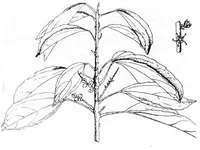
Young winter twigs, buds, and leaf undersides often carry a fine coating of rusty-brown hairs, which is the origin of the species name rufinerve, meaning reddish-nerved or rust-veined.
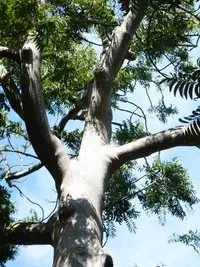
This species shows striking green to bluish bark marked with pale vertical stripes and fine flecks, giving a snakeskin-like pattern that remains ornamental even on relatively young stems.
In its native range on Honshū it often colonizes disturbed mountain slopes and stream banks, where its relatively fast growth and tolerance of cool conditions help stabilize sites after landslides or forest gaps.

Acer rufinerve was one of the first Japanese snakebark maples introduced to Western horticulture in the 19th century and became a key parent in several ornamental hybrids, helping breeders select for vivid bark patterning and cold tolerance.
Growth is moderate. In suitable conditions, this tree typically adds about 20–40 cm of height per year when young, slowing as it matures. Growth rate varies with climate, soil quality, moisture, and root space.
Keep your plants happy and healthy with plant identification, disease detection, and easy care guidance.