
tarragon (Artemisia dracunculus) Watering Guide

This page outlines when, how often, and how much to water Artemisia dracunculus for steady growth.

Water Requirements

Low Water

Artemisia dracunculus Watering

Understanding watering tarragon starts with knowing it prefers relatively dry, well-aerated soil rather than constant dampness. Artemisia dracunculus typically experiences moderate rainfall and brief dry spells in its native range, shaping its moisture needs.

In garden beds, the basic approach is light, occasional watering that lets the surface dry slightly between sessions. In containers, how to water tarragon shifts toward a bit more frequent attention, as pots lose moisture faster than ground soil.

Let the top 1–2 inches (3–5 cm) of soil dry before watering again, as this herb dislikes staying wet. In warm, bright conditions, this usually means watering about every 4–7 days, while in cooler weather or lower light, Artemisia dracunculus may need longer intervals between waterings.

Water tarragon when the top 1-2 inches (3-5 cm) of soil feel dry, using steady, targeted moisture at the roots.

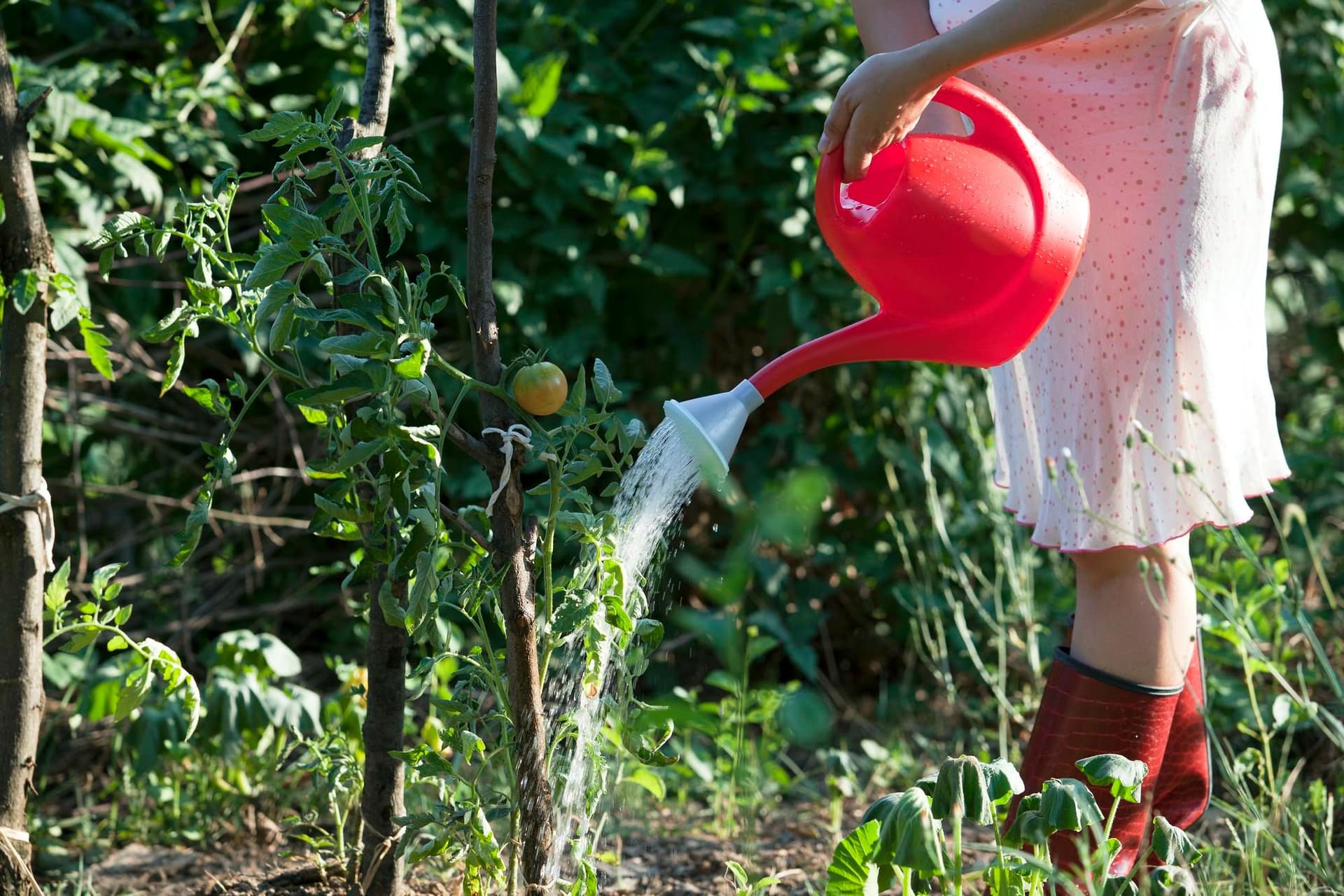
  • Pour room-temperature water slowly at the base of the stems, keeping the foliage and central crown as dry as possible.
  • Continue watering until moisture reaches the full root zone, then stop when water just begins to exit the drainage holes.
  • Let excess water drain completely from the pot or bed so the soil feels moist but not waterlogged.
  • For containers, use top watering rather than soaking trays, which keeps salts from building up near the roots over time.

Incorrect moisture balance can stress Artemisia dracunculus and gradually weaken overall plant health.

Yellowing Lower Leaves:

Older foliage yellows from prolonged soggy soil, signaling excess irrigation or poorly draining containers and beds.

Wilting With Wet Soil:

Limp, drooping stems despite moist substrate often indicate root decline from persistent waterlogging and compaction.

Stunted, Woody Growth:

Sparse, hardened shoots commonly follow chronic overwatering that restricts root aeration and nutrient movement.

Leaf Browning And Drop:

Crisp, browning edges and premature leaf fall usually result from extended dryness and shallow watering.

Keep soil lightly moist then drying slightly between waterings, with fast drainage to protect sensitive roots.

Unsuitable watering habits weaken Artemisia dracunculus by stressing its shallow roots and upsetting the balance between moisture, air, and nutrients.

  • Rigid watering schedule: Watering by calendar instead of checking soil moisture keeps roots too wet or too dry; test the top layer before each watering.
  • Poor, soggy soil: Using dense, moisture-heavy mixes suffocates roots; choose a loose, gritty blend that drains fast yet holds slight moisture.
  • No drainage control: Letting water sit in a saucer or decorative cachepot keeps roots waterlogged; empty excess runoff within a few minutes.

Aim for light, quick-draining conditions and respond to actual soil dryness so tarragon roots stay moist yet consistently well aerated.

  • Spring: As growth resumes, water when the top 1–2 inches (3–5 cm) dry, but avoid prolonged wet soil to prevent root issues.
  • Summer: In dry heat, increase checks and water a bit more often, yet let soil dry between waterings to maintain its drought-tolerant character.
  • Fall: Gradually reduce watering as growth slows, keeping soil just lightly moist and avoiding late-season saturation that can invite rot.
  • Winter: For outdoor dormant plants, rely mostly on natural precipitation; indoor pots need infrequent, light watering only after the mix dries out.

Not Sure When to Water? Botan Knows

Use Botan for a clear watering guide and simple care steps for Artemisia dracunculus, plus gentle photo-based checks that help notice leaf spots, wilting, and other early issues.

Botan plant care app — identify plants on mobile

FAQ

This species copes better with slightly dry conditions than constant wetness. Overwatering leads to root rot and weak growth. Aim for light, infrequent moisture rather than soaking the root zone every time.

More Plant Watering Guides

Is Your Watering Routine Hurting Your tarragon?

Botan helps review your watering pattern so moisture stays on track.

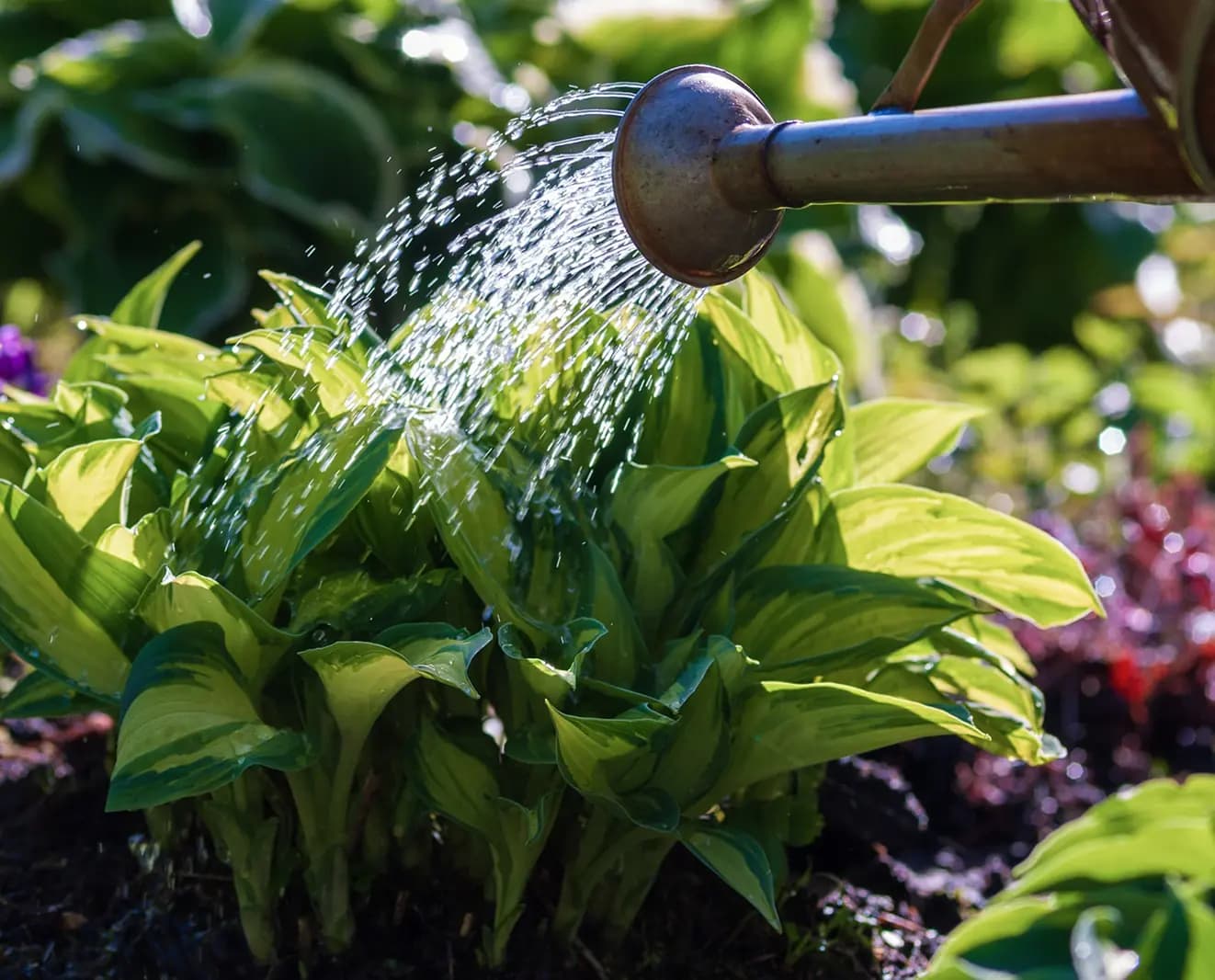
Watering a plant with a copper watering can
10 Easy Garden Flowers to Grow

8 min read · 10 Sept 2026

10 Easy Garden Flowers to Grow

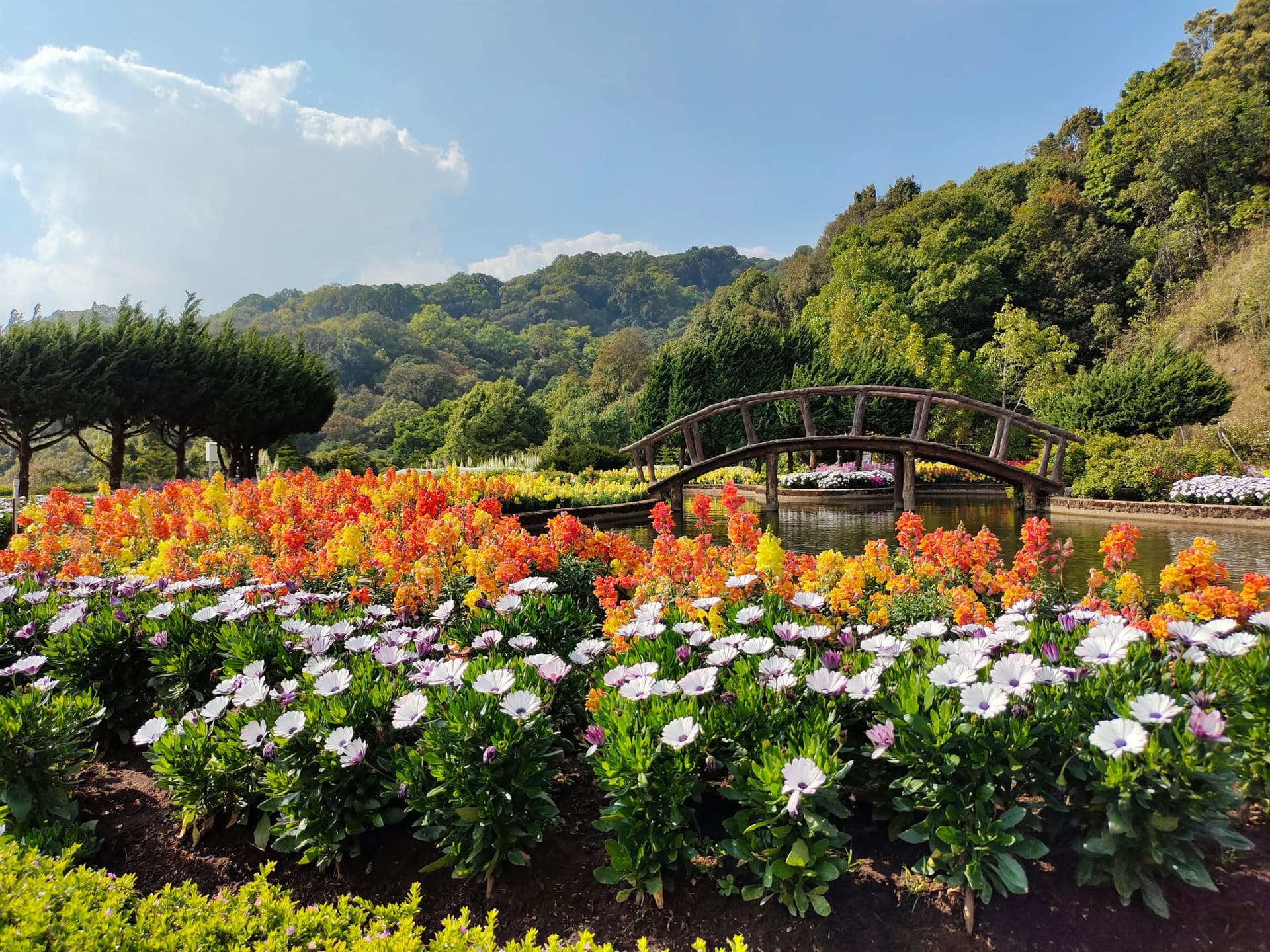
Discover 10 garden flowers that require minimal care. Learn which characteristics make plants easy to grow and follow tips on how to create a beautiful corner from beginner-friendly blooms on your property.

Beginner Guides
10 Easy Garden Flowers to Grow
How Often to Water Fruit Trees

7 min read · 11 Aug 2026

How Often to Water Fruit Trees

Irrigation needs change as roots establish and weather shifts. This guide gives practical starting intervals, explains how soil and tree type change them, and shows how to recognize both excess moisture and drought stress.

Plant Care
How Often to Water Fruit Trees
Frozen vs Fresh Vegetable Nutrients: Which Option Is Healthier?

6 min read · 8 Sept 2026

Frozen vs Fresh Vegetable Nutrients: Which Option Is Healthier?

Frozen and fresh vegetables are nutritionally comparable: frozen produce often retains vitamins just as well as fresh and may sometimes contain more. Here’s how blanching and storage affect nutrients—and when to choose each.

Plant Recommendations
Frozen vs Fresh Vegetable Nutrients: Which Option Is Healthier?