Regular stem renewal
Every 2–3 years, lift and replant divisions from the youngest outer stems while discarding woody, center growth to keep plants vigorous and leaves aromatic.

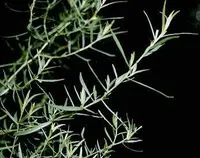
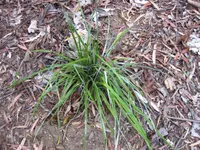
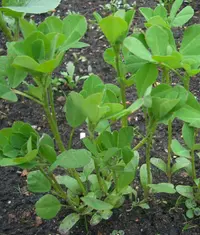
Tarragon, Artemisia dracunculus, is a perennial herb grown mainly for its aromatic, anise-like leaves used fresh in cooking. It forms upright, slender stems with narrow green leaves and a bushy, compact habit.
The plant is native to Eurasia and is now widely cultivated in herb gardens and containers. It is relatively easy to grow when kept in well-drained soil, moderate moisture, and plenty of light.
Good air circulation and avoidance of waterlogged conditions help keep plants healthy and long-lived. Understanding how to care for tarragon supports strong flavor and reliable harvests.

Care Difficulty
Easy Care

Light Preference
Full Sun

Water Requirements
Low Water

Temperature Preference
Cold Hardy

Hardiness Zone
4–9

Soil Texture
Sandy, Loamy, Organic-rich

Soil pH
Slightly acidic (6.5–7.0), Neutral (7.0)

Soil Drainage
Well-drained

Fertilization
Minimal (feed rarely)
Scan your plant to receive care tips personalized for your specific plant
Available on iOS and Android
Artemisia dracunculus thrives in bright, open conditions to develop strong growth and good flavor.
This herb prefers evenly moist but never saturated soil, with brief drying between waterings.
This species handles a range of outdoor temperatures but grows best in moderate warmth.
This species tolerates typical indoor humidity and does not have special moisture-in-air demands.
Artemisia dracunculus prefers lean, well-aerated soil that drains quickly and does not stay wet.
This herb is well suited to container growing when the pot is set up to keep the root zone consistently airy and free-draining.
Artemisia dracunculus is a light feeder and benefits from modest nutrition during active growth.
Artemisia dracunculus responds well to thoughtful pruning that keeps plants compact, healthy, and leafy.
This herb is usually grown in beds but also adapts to containers that are refreshed periodically.
Artemisia dracunculus is most reliably propagated by division and stem cuttings rather than seed.
This perennial herb is moderately cold hardy but benefits from simple winter preparation in many climates.

Plant Health Check
Not sure what's wrong with your plant? Check your plant's health inside the app.
Cultivated French tarragon plants are almost entirely sterile and rarely set viable seed, so they are propagated by division or cuttings rather than from seed.
The characteristic anise-like flavor of tarragon leaves comes largely from the essential oil component estragole, which is present at much higher levels than in many related Artemisia species.
In temperate climates tarragon dies back to underground rhizomes in winter and regrows in spring, an adaptation that helps it survive freezing conditions in its native Eurasian range.
French tarragon became a classic herb in French cuisine by the 17th century, earning a central role in sauces such as béarnaise and in the traditional fines herbes blend, which helped spread cultivation of this single sterile clone across much of Europe.
Yellowing leaves usually come from water issues, poor drainage, or nutrient depletion. Check for soggy soil, compacted roots, or an old, exhausted potting mix. Regular division and light feeding are part of good Artemisia dracunculus care.
Keep your plants happy and healthy with plant identification, disease detection, and easy care guidance.