Japanese lime Care (Tilia japonica)

Also known as: Japanese Linden
Japanese lime

About Japanese lime

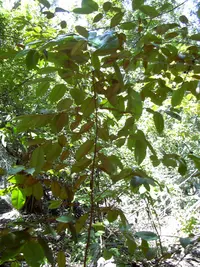
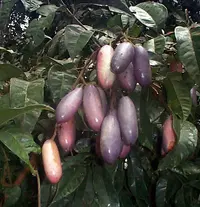
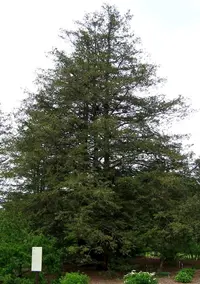
Japanese lime, Tilia japonica, is a medium to large deciduous tree valued for its neat outline and fragrant summer flowers. It forms a straight trunk with a rounded, dense crown and heart-shaped leaves that turn yellow in autumn.

This species is native to Japan and parts of East Asia, where it grows in temperate forests and mountain slopes. It is generally considered a resilient landscape tree, though young plants prefer some shelter from extremes.

For those learning how to care for Japanese lime, it usually prefers full sun to light shade, consistent moisture, and deep, well-drained soil with moderate fertility.

Main Plant Requirements

Care Difficulty

Moderate Care

Light Preference

Full Sun

Water Requirements

Moderate Water

Temperature Preference

Cold Hardy

Hardiness Zone

4–7

Soil Texture

Loamy, Clay, Silty

Soil pH

Acidic (5.5–6.5), Slightly acidic (6.5–7.0)

Soil Drainage

Moist but well-drained

Fertilization

Minimal (feed rarely)

Get Personalized Care Plan

Scan your plant to receive care tips personalized for your specific plant

Available on iOS and Android

How to Care for the Japanese lime

Tilia japonica prefers bright conditions with some protection from intense midday sun.

  • Aim for 4–6 hours of direct morning sun with light shade or filtered light in the afternoon, especially in warmer regions.
  • Site the tree in open, unshaded positions in cooler climates, but choose locations with dappled shade in hot, inland areas to prevent leaf scorch.
  • In deep shade, expect sparse flowering and weaker growth; in very exposed, all-day sun, monitor for leaf curl and browning edges in summer.

This species prefers evenly moist, well-drained soil rather than extremes of wet or dry.

  • In established trees, allow the top 5–8 cm of soil to dry slightly, then water deeply so moisture reaches the main root zone.
  • In the first 2–3 growing seasons, check soil weekly; drooping, dull leaves suggest underwatering, while yellowing leaves and soft new shoots indicate excess moisture.
  • Plant Tilia japonica in soil that drains within 1–2 hours after heavy rain to reduce root rot risk, yet retains some moisture through dry spells.

This temperate tree is cold hardy but grows best in moderate seasonal conditions.

  • Optimal growth occurs around 60–77°F (16–25°C), with vigorous shoot and leaf development in mild spring and early summer weather.
  • Dormant trees tolerate winter lows near -10°F (-23°C) once established, but young saplings benefit from shelter from harsh, drying winter winds.
  • Mature trees handle short periods near 85–90°F (29–32°C) if roots are mulched and soil moisture is stable, but prolonged heat plus drought can stress foliage and reduce flowering.

This species tolerates a wide humidity range and rarely needs special humidity management outdoors.

  • Target 40–60% humidity if grown indoors, similar to most heated homes.
  • Dry indoor air may cause slight leaf edge browning, but overall vigor is usually maintained.
  • If air is very dry, place the container on a pebble tray with water below the pot base to raise local humidity for Japanese lime.

Tilia japonica prefers deep, moist, well-drained, loamy soil for stable growth.

  • Use a mix of 50% loam, 30% compost, and 20% sharp sand to balance moisture retention and drainage.
  • Aim for slightly acidic to neutral pH, around 6.0–7.0, to support nutrient uptake and root activity.
  • In heavy clay, incorporate coarse sand or fine gravel plus organic matter to improve aeration and drainage before planting.
  • Avoid compacted, waterlogged, or very shallow soils, which encourage root rot and limit long-term canopy development.

This species can be grown in containers for a limited time, especially as a young tree or patio specimen.

  • Choose a tall, heavy container that resists tipping, as the crown becomes top-heavy before the root system fills the pot.
  • Select a pot diameter that allows a broad root plate, preventing circling roots that later destabilize the tree in wind.
  • Use thick-walled or wooden containers to reduce rapid substrate drying and temperature swings that stress fine roots.

This species grows well in average soil and only needs moderate feeding in cultivation.

  • Apply a balanced slow-release fertilizer (around 10-10-10 NPK) once in early spring to support new growth.
  • On poorer soils, top-dress with well-rotted compost in spring to improve structure and nutrient supply.
  • During the main growing season, any liquid feed should be dilute, at 1/2 strength, no more than every 4–6 weeks.
  • Stop feeding Japanese lime in late summer so new growth can harden before winter.

Pruning Tilia japonica focuses on safety, structure, and light penetration rather than heavy shaping.

  • Carry out main pruning in late winter or very early spring while the tree is dormant.
  • Remove dead, diseased, or storm-damaged branches first using sharp, clean bypass pruners or a handsaw.
  • Thin out crossing or congested branches to improve airflow and maintain a single strong central leader.
  • Limit cuts to smaller branches where possible to reduce large wounds and maintain natural crown form.

This tree is usually grown in the ground, so care focuses on transplanting young plants rather than long-term containers.

  • Transplant when growth is dormant, in late fall or very early spring, to reduce stress on Tilia japonica.
  • Choose a site with deep, well-drained soil and move the tree only if growth is weak or roots circle a small nursery container.
  • Dig a wide planting hole, keep the root flare at soil level, and backfill with native soil, firming gently.
  • Water thoroughly after planting, then maintain consistent moisture and a mulch layer to support root re-establishment.

Propagation is possible but slow, so it is usually carried out by nurseries rather than home growers.

  • Sow stratified seeds in late winter or early spring; many Tilia seeds need a cool, moist period to break dormancy.
  • Take semi-ripe cuttings in mid to late summer and root them in a free-draining medium under high humidity.
  • Layering low branches in spring can yield rooted plants after 1–2 years when roots are well developed.
  • Provide bright, indirect light and stable moisture for all methods to prevent desiccation and encourage steady root growth.

Established Tilia japonica trees are cold hardy in much of the US and generally need minimal winter attention.

  • Apply a 5–8 cm mulch layer around the root zone in late fall, keeping mulch away from the trunk.
  • Young or newly transplanted trees benefit from burlap windbreaks in exposed sites to limit desiccation.
  • Container-grown specimens in cold regions should be moved into an unheated garage or shed to prevent root freeze.

Care Tips

Formative crown training

In the first 5–7 years, select a single strong leader and evenly spaced scaffold branches, removing steep, crossing, or duplicated shoots each late winter to build a stable, long‑lived crown.

Root flare protection

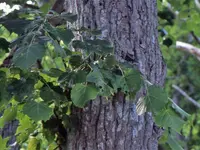
Keep the root flare visible and slightly above surrounding soil or mulch, brushing back excess material each spring to prevent trunk rot and girdling roots that weaken the tree over time.

Targeted aphid management

At bud break, monitor undersides of young leaves and shoot tips for aphids, and if populations build, wash them off with a firm water spray or use horticultural soap before honeydew attracts sooty mold.

Efficient mulching ring

Maintain a 60–90 cm grass‑free mulch ring around the trunk, using a 5–8 cm layer of shredded bark kept away from direct trunk contact to stabilize soil moisture and reduce competition from turf.

Heat and drought hardening

In late spring, gradually reduce irrigation frequency while still watering deeply so the tree develops a deeper root system that is better adapted to hot, dry summers when growing Japanese lime.

Common Pests and Diseases

Lime aphids

This pest feeds on the undersides of young leaves and shoots, causing curling, distortion, and sticky honeydew that can lead to sooty mold on Japanese lime trees.

Solution

Prune and discard heavily infested shoot tips, then wash remaining foliage with a strong water spray to dislodge aphids; for persistent colonies, use insecticidal soap or a light horticultural oil, ensuring thorough coverage of leaf undersides during mild temperatures.

Lime leaf miner

This pest creates pale, winding tunnels inside leaves, leading to blotchy, distorted foliage and premature leaf drop on young or stressed trees.

Solution

Remove and destroy mined leaves as soon as they are noticed to reduce larvae numbers, and, where infestations are recurring, use a systemic insecticide or targeted biological control timed to adult moth activity, following local extension guidance for Tilia japonica care instructions.

Japanese linden gall mites

These insects cause small, raised galls or pouch-like swellings on leaves, which may appear reddish or green but usually affect appearance more than overall tree health.

Solution

Rake and dispose of fallen, affected leaves in autumn to reduce overwintering mites, and in severe cases consider a dormant-season horticultural oil spray to suppress mite populations before budbreak.

Powdery mildew

This disease produces a white to gray, powdery coating on leaves, especially in shaded or crowded branches, which can lead to reduced vigor and early leaf drop.

Solution

Thin dense branches to improve light and air movement, avoid overhead watering, remove heavily infected leaves, and if needed apply a labeled fungicide (such as sulfur or potassium bicarbonate) at the first sign of symptoms, repeating as directed during humid periods.

Leaf spot

Symptoms include small brown, tan, or purple spots on leaves that may merge into larger blotches, sometimes causing premature yellowing and drop of affected foliage.

Solution

Remove and discard fallen leaves to limit the spread of fungal spores, irrigate at soil level instead of wetting the canopy, and apply a suitable fungicide in spring on high-value trees if spots recur yearly and cultural practices alone do not control the problem.

Interesting Facts

Nectar for summer honey

In Japan, this species is a valued summer nectar source for bees, and its pale yellow, fragrant flowers contribute to distinctive linden honey with a mild, slightly spicy aroma.

Shade tree of cool forests

Tilia japonica often forms part of cool-temperate, mixed broadleaf forests in Japan, where its broad, dense crown provides deep shade that helps maintain moist, humus-rich soils under the canopy.

High tolerance to pruning

This species tolerates repeated pruning and branch reduction, which has led to its traditional use as a managed roadside and temple approach tree in parts of Japan.

Botan icon

Did you know?

Tilia japonica can live for several centuries, and some old specimens in Japan are designated as protected trees due to their age, size, and landscape value around shrines and historic sites.

FAQs about Japanese lime

Lack of flowers usually comes from insufficient sunlight, young age, heavy pruning of new wood, or nutrient imbalance. Ensure strong light, avoid removing new shoots, and use a balanced fertilizer. Patience is important for reliable flowering.

Grow Healthy Plants with Botan Care

Keep your plants happy and healthy with plant identification, disease detection, and easy care guidance.

Botan plant care app — identify plants on mobile

Explore More Plants