red-leaf wattle Care (Acacia rubida)

Also known as: Red Stem Wattle
red-leaf wattle

About red-leaf wattle

Red-leaf wattle (Acacia rubida) is a fast-growing Australian shrub or small tree from dry open forests and rocky hillsides. It is often used for shelterbelts, erosion control, and informal hedging.

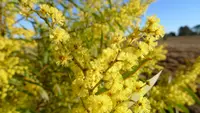
Young foliage can show bronzy-red to reddish tones, maturing to dull green, while the plant produces soft yellow, ball-shaped flowers along its branches. The growth habit is upright and fairly dense, which makes it practical as a screen in larger gardens.

This species adapts well to a range of soils, including poor or shallow ground, as long as drainage is good. It is generally hardy, drought-tolerant once established, and considered easy to care for red-leaf wattle in mild, frost-free to light-frost climates.

Main Plant Requirements

Care Difficulty

Easy Care

Light Preference

Full Sun

Water Requirements

Low Water

Temperature Preference

Warm Climate

Hardiness Zone

8–11

Soil Texture

Sandy, Loamy, Clay

Soil pH

Acidic (5.5–6.5), Slightly acidic (6.5–7.0)

Soil Drainage

Well-drained

Fertilization

Minimal (feed rarely)

Get Personalized Care Plan

Scan your plant to receive care tips personalized for your specific plant

Available on iOS and Android

How to Care for the red-leaf wattle

This Australian shrub thrives in open, bright positions with plenty of direct sun.

  • Provide 6–8 hours of direct sun daily; full sun is best, though light afternoon shade helps in very hot inland sites.
  • Young red-leaf wattle plants benefit from protection from harsh mid-afternoon summer sun to reduce leaf scorch and moisture stress.
  • Tolerates light or dappled shade for part of the day, but prolonged shade leads to sparse growth and fewer flowers, especially in winter.

This species prefers to dry slightly between waterings and dislikes waterlogged soil.

  • In the ground, water deeply, then allow the top 5–8 cm of soil to dry before watering again, especially during the first 1–2 growing seasons.
  • Reduce supplemental water in autumn and winter; established plants in well-drained soil often cope with normal rainfall in many regions.
  • Watch for yellowing, soft leaves (overwatering, poor drainage) or crisp, folding leaflets and premature leaf drop (underwatering).

This hardy acacia tolerates a wide temperature range once established.

  • Optimal growth occurs around 65–80°F (18–27°C), with active extension in mild spring and autumn conditions.
  • Mature plants usually tolerate brief drops to about 23–25°F (-5 to -4°C); repeated harder frosts may damage young shoots and tips.
  • Handles dry heat up to 95–100°F (35–38°C) if soil is not saturated, but extended extreme heat with hot winds increases moisture stress and leaf scorch risk.

Acacia rubida tolerates a wide humidity range and usually does not need special humidity control in typical home or outdoor conditions.

  • Aim for 30–60% humidity, similar to most heated or air-conditioned homes, for stable foliage health in red-leaf wattle.
  • Plant in well-drained soil and avoid constant leaf wetness, which can promote fungal issues more than low humidity does.
  • Watch for leaf tip browning combined with underwatering, which usually indicates drought stress rather than humidity problems.

Acacia rubida prefers freely draining, slightly lean soil that does not stay wet around the roots.

  • Use a sandy or sandy-loam mix with plenty of coarse particles so water drains within a few minutes after watering.
  • Aim for slightly acidic to neutral pH, around 6.0–7.0, which suits its nutrient uptake and root health.
  • Combine roughly 50–60% coarse sand, 20–30% loam or regular potting mix, and 10–20% fine gravel or perlite for structure and aeration.
  • Avoid heavy clay, poorly drained sites, and mixes with high peat content that hold water and can cause root rot in Acacia rubida.

This species can be grown in containers, especially while young or in smaller garden spaces.

  • Choose a deep, heavy pot that resists tipping as the plant develops a woody, upright canopy and wind catch.
  • Use a slightly wider-than-rootball container to limit excessive top growth and keep the plant more compact and stable.
  • Select a mineral-rich, fast-draining mix and avoid saucers that hold standing water, which can quickly suffocate roots in a pot.

Acacia rubida is a light feeder that benefits from modest nutrition in poor soils or containers.

  • Use a balanced, slow-release fertilizer (such as 10-10-10) or well-aged compost for young or container plants.
  • Apply once at the start of spring and again in mid-summer during active growth only.
  • Use about half the label-recommended rate to avoid excessive, weak growth.
  • Skip feeding in late fall and winter when growth slows, unless the plant shows clear nutrient deficiency.

Acacia rubida responds well to light structural pruning to maintain a stable, compact canopy.

  • Carry out main pruning in late winter or very early spring before strong new growth begins.
  • Remove dead, diseased, crossing, or storm-damaged branches with clean, sharp bypass pruners or loppers.
  • Shorten overly long shoots to encourage bushier growth and maintain desired height and width.
  • Avoid heavy cutting into old, bare wood, as older branches may reshoot poorly and look uneven.

Young red-leaf wattle is usually started in containers, then transplanted to its final position once established.

  • Transplant in late winter or early spring when the soil is workable and before strong new growth starts.
  • Look for roots circling the pot, water running straight through, or slowed growth as cues the plant has outgrown its container.
  • Shift up container size every 1–2 years for young plants, keeping root disturbance as low as possible.
  • Water thoroughly before and after transplanting, keep the root ball intact, and shade briefly to reduce transplant shock.

Acacia rubida is most often propagated from seed, which offers high numbers of plants for landscape use.

  • Collect ripe seed pods in late summer to early fall and dry them until they split open.
  • Pre-treat seeds with hot water or light scarification to break the hard seed coat and improve germination.
  • Sow in a free-draining, low-nutrient mix, keeping temperature around 65–75°F and moisture even but not saturated.
  • Use semi-hardwood cuttings in late summer under high humidity and bottom warmth, though success rates are typically lower than with seed.

Acacia rubida is moderately cold tolerant in mild-winter regions and usually needs only minimal winter care.

  • In USDA zones around 8–9, established plants tolerate light frosts once rooted deeply.
  • Apply a 5–8 cm mulch layer around the root zone in late fall, keeping it slightly away from the trunk.
  • Move container-grown plants under shelter or indoors before temperatures drop below about 25°F.

Care Tips

Encourage deep roots

During the first 1–2 years, water less frequently but more deeply to train roots to grow downward, which improves drought tolerance and wind stability.

Minimal staking strategy

If planting in a windy site, use 1–2 low, flexible stakes and loose ties for only the first growing season so the trunk can move slightly and develop strong taper rather than staying weak and narrow.

Root competition control

Keep a 45–60 cm grass-free, lightly mulched ring around the base to reduce competition for moisture and nutrients and to protect young bark from mower or trimmer damage.

Targeted formative pruning

In years 1–3, remove only crossing, rubbing, or very low branches in late winter to build a single strong leader and well-spaced scaffold branches without shocking the plant.

Low-phosphorus inoculation

When planting in low-fertility soils, dust the root zone with a commercial native legume inoculant and use a low-phosphorus native plant fertilizer, which supports nitrogen-fixing nodules and makes caring for red-leaf wattle more reliable in poor ground.

Common Pests and Diseases

Wattle web-covering mite

This pest forms fine webbing on young shoots and foliage, causing bronzing, distortion, and gradual leaf decline. Symptoms include reduced vigor, especially on stressed or container-grown plants.

Solution

Prune and dispose of badly affected shoot tips, then hose down foliage thoroughly, focusing on the undersides of leaves. For ongoing problems in Acacia rubida care, apply a horticultural oil or insecticidal soap labeled for mites at 7–10 day intervals, and avoid drought stress that predisposes plants to mite buildup.

Acacia psyllids

These insects feed on sap from young leaves and shoots, causing cupping, distortion, and sticky honeydew that can lead to sooty mold. This pest is more common where acacias grow in warm, sheltered positions.

Solution

Prune out and destroy heavily distorted shoots and rinse foliage to remove honeydew and early infestations. For persistent psyllid activity, use insecticidal soap or a systemic product labeled for ornamental trees, and encourage natural predators such as lady beetles by avoiding broad-spectrum insecticides.

Gall rust

This disease causes swollen, woody galls on stems and branches and may lead to dieback beyond the affected area. Symptoms include irregular, rough growths that disrupt normal sap flow.

Solution

Prune out galled branches at least 10–15 cm below visible symptoms and dispose of them away from healthy plants. Keep the plant vigorous with appropriate watering and avoid wounding stems, since entry points increase infection risk; in landscape settings, fungicides are rarely needed if sanitation is consistent.

Leaf spot

This disease produces small brown to dark purple lesions on leaflets and phyllodes, sometimes with a yellow halo. Symptoms include premature leaf drop during extended wet or humid periods.

Solution

Remove and discard fallen and heavily spotted foliage to reduce inoculum, and improve air movement around the plant by thinning nearby vegetation. In regions with recurrent problems, avoid overhead watering, water early in the day so foliage dries quickly, and consider a preventive copper-based spray if conditions remain cool and wet.

Scale insects

These insects attach to stems and leaf midribs as small bumps and suck sap, leading to yellowing, reduced growth, and sticky honeydew. This pest can also promote sooty mold development on leaves and nearby surfaces.

Solution

Wipe or gently scrub accessible stems with a cloth dipped in soapy water or horticultural oil, then rinse lightly. For heavier infestations on established plants, apply a horticultural oil spray to thoroughly coat infested areas, repeating according to label directions, and monitor new growth for re-infestation.

Interesting Facts

Early-succession colonizer

Acacia rubida is one of the first woody plants to appear on disturbed soils in southeastern Australia, stabilizing slopes and riverbanks after fire, clearing, or erosion.

Distinctive red-tinged growth

Young stems and new foliage often show a noticeable red to bronze tint, which is especially strong in high light and cooler weather and gives the species its common name, red-leaf wattle.

Nitrogen-fixing pioneer

Its roots host symbiotic bacteria in small nodules that convert atmospheric nitrogen into forms usable by plants, enriching poor soils and improving conditions for later plant species.

Botan icon

Did you know?

Acacia rubida can naturally develop a dual life stage, starting with true feathery bipinnate leaves as a seedling and later switching to simpler, elongated phyllodes that function as leaf-like structures, an adaptation thought to reduce water loss and cope with harsh sunlight as the plant matures.

FAQs about red-leaf wattle

This species is generally fast growing, often reaching 2–4 m in 3–5 years under suitable conditions. Growth slows as it matures. Root disturbance, poor drainage, or prolonged drought can noticeably reduce its growth rate.

Grow Healthy Plants with Botan Care

Keep your plants happy and healthy with plant identification, disease detection, and easy care guidance.

Botan plant care app — identify plants on mobile

Explore More Plants