

King Begonia (Begonia rex) Light Needs

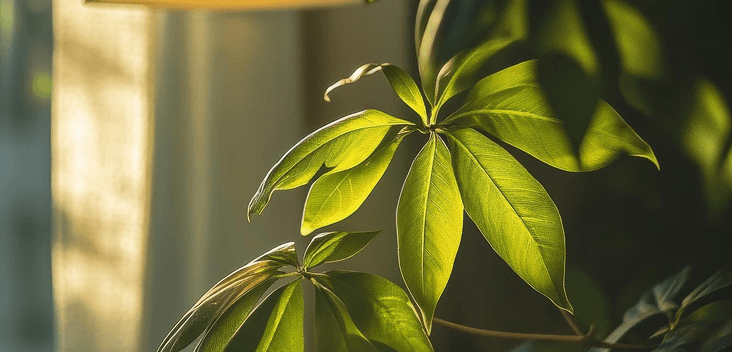
King Begonia grows best in bright, indirect light with protection from strong midday and afternoon sun.

Light Preference

Bright Indirect Light

Begonia rex Light Requirements

Begonia rex is associated with humid forest understory conditions in northeastern India, where trees and uneven terrain soften the sun. In that setting, leaves receive bright filtered light, partial shade, and occasional gentle sun rather than open, all-day exposure. Cultivated plants keep the same preference because their thin, patterned leaves scorch easily in harsh rays. It prefers bright, indirect or filtered light.

  • Ideal exposure:

    Begonia rex needs about 6–8 hours of bright, indirect or filtered light daily, including up to 1–2 hours of gentle direct morning sun.

  • Direct sun:

    Brief early sun is tolerated, but full sun and hot afternoon rays can scorch the thin leaves.

  • Lower light:

    Shade is tolerated better than harsh sun, but dim indoor light often reduces leaf color and compact growth.

  • Best timing:

    Morning light is safer than afternoon light because it is cooler and less likely to burn foliage.

Indoors, choose a bright spot where direct sun is brief or softened.

NConditional
North-facing window:

A north-facing window can work if it is bright and not blocked by trees, buildings, or deep overhangs.

EBest
East-facing window:

An east-facing window is often best because it gives bright light with gentle morning sun.

SConditional
South-facing window:

A south-facing window is suitable only with a sheer curtain or placement 3–6 ft back from the glass.

WConditional
West-facing window:

A west-facing window needs filtering or extra distance because hot afternoon sun can scorch the leaves.

If leaves warm up in the sun or show fading, increase distance from the glass or add filtering.

Excess light often affects the leaf surface first.

Bleached patches:

Silvery or pale tan areas can appear where leaves receive direct sun through glass.

Crisp spots:

Dry, papery spots may develop after a sudden move into brighter exposure.

Faded pattern:

Leaf colors may look washed out when light is intense for several hours.

Curling leaves:

Thin leaves may cup or curl away from hot afternoon sun.

Move it back from the window or add a sheer curtain to soften the light. Keep the change gradual if only mild fading is visible.

Low light usually shows as weak structure before severe decline. These changes are most noticeable during active growth.

  • Leaning growth:

    Leaves may angle strongly toward the nearest window or light source.

  • Long petioles:

    Leaf stems can stretch, creating a looser shape with wider spacing between leaves.

  • Duller markings:

    Silver, red, or dark patterning may look less defined when light is weak.

  • Small new leaves:

    New growth may emerge smaller than older leaves during the active growing season.

Move the plant gradually into brighter indirect light. Avoid shifting it straight from shade into direct sun.

If ideal brightness is not available, choose the brightest spot that stays out of harsh sun; steady filtered light is better than brief hot sun.

Move the pot a few inches at a time and rotate it weekly so new leaves develop evenly.

Avoid a dim corner far from natural light because it will not support compact growth or strong leaf color.

Get Personalized Care Plan

Scan your plant to receive care tips personalized for your specific plant

FAQ

King Begonia light requirements are bright, indirect light for most of the day. A little soft morning sun is usually fine, but harsh direct sun can damage the leaves.

More Plant Light Guides

Get the Botan App

Discover how to care for your plants with Botan.

Botan app identifying a plant with a phone camera
Dill Companion Plants – What to Grow Next to Dill

9 min read · 17 Jul 2026

Dill Companion Plants – What to Grow Next to Dill

Dill is an easy-to-grow plant that gets along well with many vegetables. This guide describes 15 plants that can be planted alongside it, a few to avoid, and mistakes that can quietly sabotage the entire process.

Plant Recommendations
Dill Companion Plants – What to Grow Next to Dill
Best Bedroom Plants – Top 10 to Grow in Your Space

8 min read · 8 Jul 2026

Best Bedroom Plants – Top 10 to Grow in Your Space

Discover the top 10 houseplants that are suitable for growing in your bedroom. Compare their light and water needs, pet safety, and benefits. Find out where best to place greenery in your relaxation space and what species to avoid.

Plant Recommendations
Best Bedroom Plants – Top 10 to Grow in Your Space
Rice Water for Plants – Which Plants Love It and How to Make It

8 min read · 14 Jul 2026

Rice Water for Plants – Which Plants Love It and How to Make It

Rice water can be an ideal DIY solution for orchids, roses, or fruiting plants. It supports growth, leaf count, and height. We’ll share how to make and apply it correctly for your plant.

Plant Care
Rice Water for Plants – Which Plants Love It and How to Make It