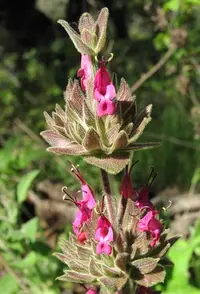


hummingbird sage (Salvia spathacea) Light Needs

hummingbird sage grows best in partial sun, with bright exposure and several hours of direct morning light.

Light Preference

Partial Sun

Salvia spathacea Light Requirements

Salvia spathacea is native to coastal and foothill areas of California, where it often grows on slopes, canyons, and woodland edges with seasonal sun patterns. In these habitats, foliage may receive morning sun, filtered light, or open sun in cooler conditions, while avoiding constant deep shade and the hottest prolonged exposure during dry afternoons. Its preferred light is partial sun.

  • Ideal exposure:

    hummingbird sage needs about 5–8 hours of partial sun daily, including 3–5 hours of direct morning or late-day sun.

  • Full sun tolerance:

    It can tolerate full sun where summers are mild or when it is established and gradually exposed.

  • Hot afternoon sun:

    In hot inland sites, long afternoon exposure is tolerated poorly and can scorch broad leaves.

  • Low-light limit:

    Bright filtered light is acceptable, but deep shade usually reduces flowering and produces weaker growth.

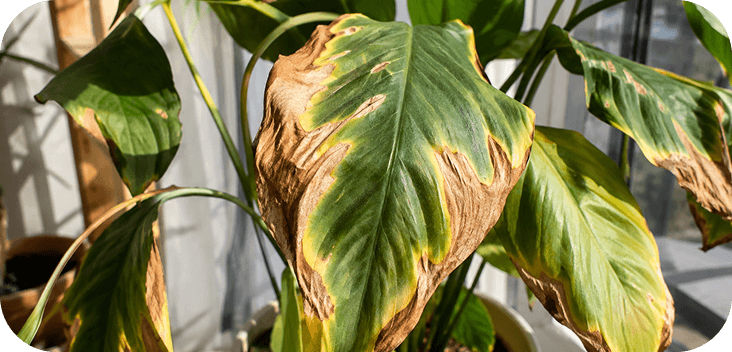
Strong sun can stress this species when exposure changes too quickly, especially in hot inland sites.

Faded patches:

Pale tan or gray areas may appear on leaves facing the strongest afternoon sun.

Crisp exposed edges:

Leaf edges can dry where broad leaves receive hot, direct light for several hours.

Flattened foliage:

Leaves may sit lower or curl slightly during harsh sun, especially in reflected heat.

Shorter bloom display:

Flower spikes may fade faster when plants are held in hot full sun without afternoon protection.

Move a container to morning sun, or add light afternoon shade. Increase brighter exposure gradually over 1–2 weeks after a shaded period.

Too little light usually shows as weaker growth before serious decline. Salvia spathacea is not suited to deep shade.

  • Longer stems:

    Stems may stretch toward the brightest side instead of staying sturdy and upright.

  • Wide spacing:

    New growth can form with more space between leaves, giving the plant a thin look.

  • Fewer flowers:

    Bloom stalks may be sparse or absent when the plant receives too little direct sun.

  • Small new leaves:

    Fresh leaves may stay smaller during the active season if light remains weak.

  • Slow regrowth:

    After trimming or dormancy, growth may resume slowly in shade compared with brighter partial sun.

Shift it to brighter filtered light or morning sun. Avoid moving it from deep shade straight into hot afternoon exposure.

If ideal partial sun is not available, choose morning sun with light afternoon shade rather than the darkest bed or a hot exposed wall.

Move containers a few feet from reflected heat, or use a light screen to soften harsh afternoon rays during heat waves.

Deep shade is a poor setup because it limits flowering and encourages stretched growth.

Get Personalized Care Plan

Scan your plant to receive care tips personalized for your specific plant

FAQ

The best light for hummingbird sage is partial sun, with bright outdoor exposure and several hours of direct sun, preferably earlier in the day in hot areas.

More Plant Light Guides

Get the Botan App

Discover how to care for your plants with Botan.

Botan app identifying a plant with a phone camera
How Long Can Flowers Go Without Water? Everything You Need to Know

6 min read · 10 Jul 2026

How Long Can Flowers Go Without Water? Everything You Need to Know

Flowers can survive without water anywhere from 1-2 hours to several months, depending on the plant type, species, and growing conditions. Some strong-looking flowers are drought-sensitive, while delicate-looking plants may tolerate long dry periods surprisingly well.

Plant Care
How Long Can Flowers Go Without Water? Everything You Need to Know
What Do Plants Need to Grow – 5 Things Every Greenery Can't Live Without

8 min read · 31 Jul 2026

What Do Plants Need to Grow – 5 Things Every Greenery Can't Live Without

To keep plants healthy and thriving, provide the right balance of light, humidity, nutrients, airflow, and quality soil. This guide covers the essentials of year-round plant care.

Beginner Guides
What Do Plants Need to Grow – 5 Things Every Greenery Can't Live Without
How to Increase Humidity for Plants – 8 Simple Ways That Work

8 min read · 14 Aug 2026

How to Increase Humidity for Plants – 8 Simple Ways That Work

Dry indoor air stresses a lot of houseplants. You usually notice it first in the browning leaf tips. This guide describes 8 simple ways to raise the moisture around your plants, from humidifiers to pebble trays.

Plant Care
How to Increase Humidity for Plants – 8 Simple Ways That Work