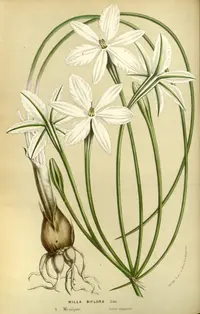



Mexican star (Milla biflora) Light Needs

Mexican star grows best in full sun, with several hours of direct light during active growth.

Light Preference

Full Sun

Milla biflora Light Requirements

Milla biflora is native to Mexico and is associated with open, seasonally dry places where its narrow leaves and flower stems receive strong light during the growing season. It is not a shade species, although brief partial sun can occur where surrounding cover breaks the light.

In cultivation, this points to open exposure rather than protected shade. Preferred light is full sun.

  • Ideal exposure:

    Mexican star needs about 6–8 hours of bright outdoor light daily, ideally full sun with 4–6 hours of direct sun.

  • Direct sun:

    Established plants tolerate full sun well, especially when exposure increases gradually after storage, shipping, or indoor holding.

  • Partial sun:

    Part sun is tolerated, but fewer flowers may form if direct sun drops below several hours daily.

  • Afternoon heat:

    Hot afternoon sun is usually acceptable outdoors, but sudden exposure during heat waves can scorch tender new growth.

Strong light is usually tolerated, but sudden or extreme exposure can cause stress.

Bleached leaf streaks:

Pale tan or whitish streaks may appear on exposed leaf surfaces after a rapid move into harsher sun.

Papery scorch:

Thin dry patches can form where leaves or flower stems face intense afternoon light.

Faded flowers:

Blooms may fade quickly when high heat and direct sun coincide for much of the day.

Midday collapse:

Leaves may fold or slump during peak heat even when Milla biflora stands upright again later.

Move the pot or planting site to morning sun with light afternoon protection. Reintroduce stronger sun over several days rather than all at once.

Weak light usually shows first in growth and flowering. It is most noticeable during the active growing season.

  • Stretched leaves:

    Leaves may become longer, softer, and less upright as they reach toward brighter exposure.

  • Leaning growth:

    Stems can angle strongly in one direction instead of staying evenly balanced.

  • Few flowers:

    Flowering may be sparse or absent when the plant receives only partial shade or dim light.

  • Small new growth:

    New leaves may emerge thinner or shorter than expected for the season.

Shift it to a brighter position with several hours of direct sun. Increase exposure gradually if it has been shaded for a long period.

If full sun is not available, choose the brightest open spot with morning sun and unobstructed sky for the rest of the day. Partial sun is workable, but heavier shade is a poor compromise for flowering.

Clear nearby objects that cast midday shade, and rotate container-grown plants every week so leaves and flower stems develop evenly.

Avoid deep shade because it will not meet Milla biflora light needs.

Get Personalized Care Plan

Scan your plant to receive care tips personalized for your specific plant

FAQ

For Mexican star light requirements, aim for full sun outdoors. This means strong open light for most of the day, with several hours of direct sun during active growth.

More Plant Light Guides

Get the Botan App

Discover how to care for your plants with Botan.

Botan app identifying a plant with a phone camera
How to Group Plants in Landscaping: A Practical Layout Guide

8 min read · 31 Aug 2026

How to Group Plants in Landscaping: A Practical Layout Guide

Good plant grouping can mean the difference between a well-planned garden and one that looks sloppy. This guide explores layers, spacing, cluster shapes, and the plants that thrive when you group them.

Plant Care
How to Group Plants in Landscaping: A Practical Layout Guide
How to Bottom Water Plants: Complete Guide

6 min read · 13 Jul 2026

How to Bottom Water Plants: Complete Guide

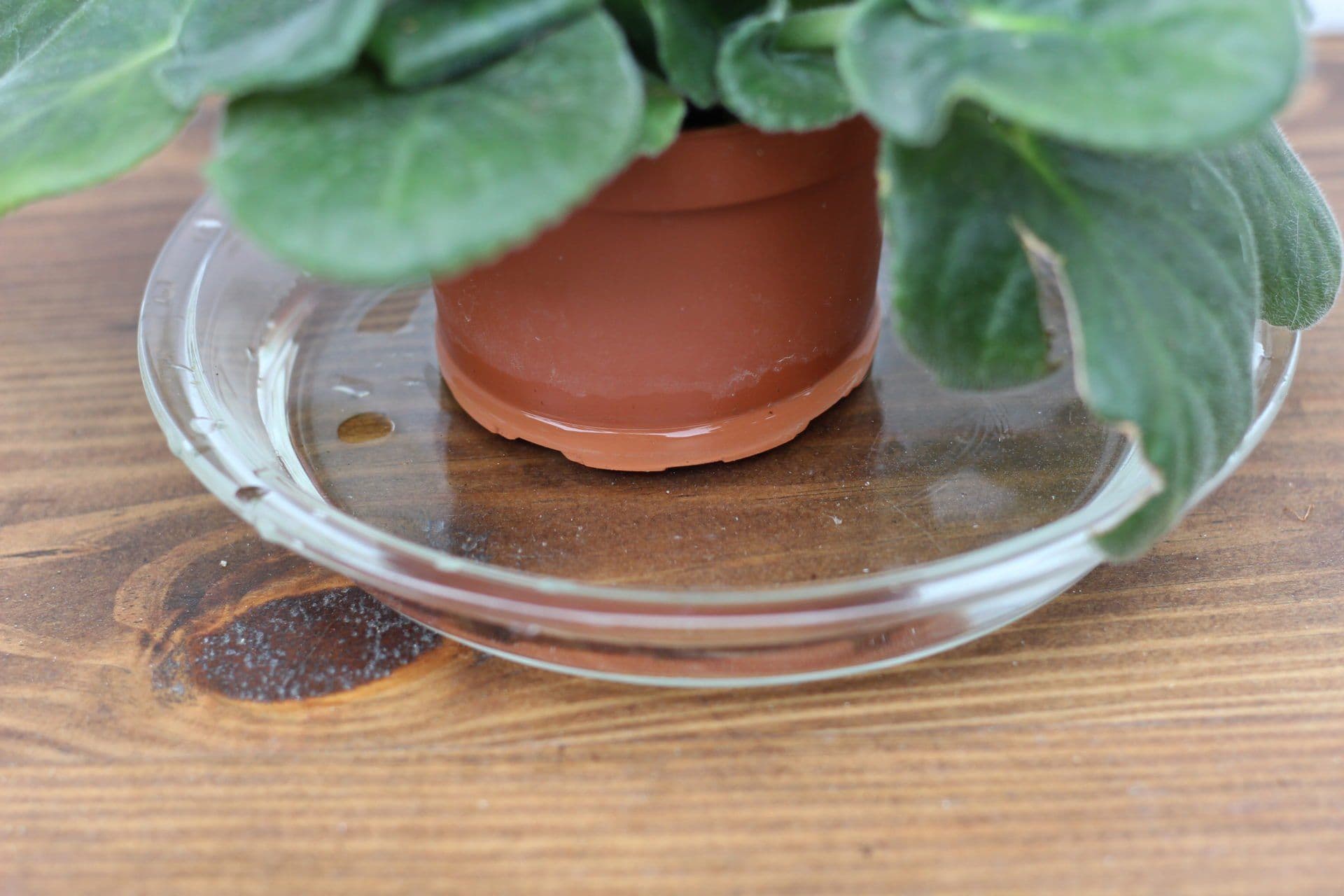
Bottom watering helps soil absorb moisture evenly and keeps foliage dry, reducing the risk of missed dry spots or root problems. Place the pot in a tray of water for a short time, then let it drain well.

Plant Care
How to Bottom Water Plants: Complete Guide
Best Fertilizer for Grass in Summer: How to Choose the Right One

6 min read · 18 Aug 2026

Best Fertilizer for Grass in Summer: How to Choose the Right One

The right fertilizer in summer can make a lawn thrive. The wrong one can damage it. Here, you’ll learn the best NPK ratios by grass type, when and how to apply your formula, and how to recognize the signs of over- or under-fertilizing.

Plant Care
Best Fertilizer for Grass in Summer: How to Choose the Right One