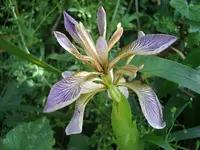
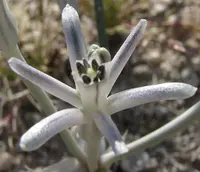
Mexican star Care (Milla biflora)

Mexican star

About Mexican star

Mexican star, Milla biflora, is a small bulb-forming perennial in the asparagus family, grown mainly for its delicate, star-shaped white flowers. It produces slender grass-like leaves and short stems that carry a few blooms at a time, giving it a light, airy look in pots or rock gardens.

This species is native to dry, open habitats in Mexico and parts of the southwestern United States, where it experiences strong light and well-drained soils. Its drought-tolerant nature and rest period after flowering influence how to care for Mexican star, making it best suited to growers who can avoid overwatering and provide bright, dry conditions during dormancy.

Main Plant Requirements

Care Difficulty

Moderate Care

Light Preference

Full Sun

Water Requirements

Moderate Water

Temperature Preference

Warm Climate

Hardiness Zone

8–11

Soil Texture

Sandy, Loamy

Soil pH

Slightly acidic (6.5–7.0), Neutral (7.0)

Soil Drainage

Well-drained

Fertilization

Minimal (feed rarely)

Get Personalized Care Plan

Scan your plant to receive care tips personalized for your specific plant

Available on iOS and Android

How to Care for the Mexican star

This sun-loving bulb thrives in bright conditions that mimic open, lightly sheltered grasslands.

  • Provide 6–8 hours of sun daily, with full morning sun and light afternoon shade, especially in hot climates.
  • Allow light, dappled shade in the strongest midday hours; too much deep shade reduces blooms and leads to floppy growth in Mexican star.
  • In summer, protect from highly reflective heat near walls or paving; in cooler seasons, choose the brightest, most open spot to maximize flowering.

This bulb prefers brief watering and then fast-drying soil rather than constant moisture.

  • In active growth, water only when the top 3–5 cm of soil are dry, then soak thoroughly so excess drains away.
  • Use sharply drained, gritty soil or a raised bed; persistent wetness or puddling causes bulb rot and yellow, mushy foliage in Milla biflora.
  • During dormancy after foliage dies back, keep soil almost dry, giving only light sips if bulbs are in very hot, drying conditions.

This species prefers warm, frost-free conditions but tolerates moderate heat if soil drainage is excellent.

  • Aim for 65–80°F (18–27°C) during active growth; flowering is most reliable and stems are sturdier in this range.
  • Protect from frost; growth is damaged near 32°F (0°C) and bulbs may die with repeated freezes below 28°F (-2°C) without mulching or lifting.
  • In hot spells above 90°F (32°C), ensure excellent air movement and avoid heat-reflecting surfaces that can overheat bulbs and dry roots too quickly.

This bulb tolerates a wide humidity range but benefits from slightly dry to moderate indoor air.

  • Aim for 30–50% humidity, similar to most homes, as higher humidity is not necessary for Mexican star.
  • Dry indoor air is usually tolerated, but prolonged exposure below 25% can cause leaf tips to brown and flowers to fade faster.
  • Increase humidity slightly, if needed, by grouping plants or placing the pot on a pebble tray without letting the bulb sit in water.

This species prefers a light, sharply draining mix that dries quickly between waterings.

  • Use a sandy or gritty mix for Milla biflora, such as 50–60% cactus mix blended with coarse sand or fine gravel for rapid drainage.
  • Incorporate 20–30% perlite to increase aeration so the small bulbs do not sit in compact, airless pockets.
  • Keep pH slightly acidic to neutral, around 6.0–7.0, avoiding very alkaline soils that can limit nutrient uptake.
  • Avoid heavy clay, peat-heavy, or water-retentive mixes that stay wet for more than 2–3 days, since this greatly increases rot risk.

This compact bulb is well suited to container cultivation outdoors or in bright indoor spots.

  • Choose a pot at least 15–20 cm deep so the bulbs can sit several centimeters below the surface with room for root spread.
  • Select terracotta or other porous materials if extra drying between waterings is needed, especially in cooler or shaded locations.
  • Ensure drainage holes never become blocked and empty cache pots promptly so water cannot accumulate around the bulbs at the base.

Milla biflora benefits from light, targeted feeding rather than heavy fertilization.

  • Apply a balanced liquid fertilizer at 1/4–1/2 strength every 4–6 weeks during active growth in spring and summer.
  • Use a balanced NPK or organic compost tea that drains quickly through a gritty, well-aerated mix.
  • Skip feeding once leaves yellow and die back for dormancy, usually in fall and winter.
  • For container plants, a low-dose slow-release fertilizer in early spring can support growing Mexican star without excess salts.

Milla biflora needs only minimal pruning to stay neat and flowering well.

  • Best time for any trimming is late winter to early spring, before strong new growth begins.
  • Remove dead, diseased, or damaged leaves and flower stalks at the base using clean, sharp scissors or snips.
  • Cut spent flower stalks after blooming to keep the clump tidy and encourage energy back into the bulbs.
  • Avoid heavy cutting of healthy foliage, since leaves are needed to recharge bulbs for the next flowering season.

Milla biflora is usually left undisturbed, but occasional transplanting keeps bulbs healthy in containers or crowded clumps.

  • Look for roots emerging from drainage holes, compacted soil, or declining vigor as signs it needs attention.
  • Plan repotting or lifting and transplanting for late summer to early fall, after foliage has fully died back.
  • Expect to repot or divide every 3–5 years, spacing bulbs 5–8 cm apart in a free-draining mix.
  • Handle bulbs gently, keep roots slightly moist, and replant at the same depth to reduce transplant shock.

Milla biflora is most commonly propagated by dividing dormant bulbs, with seeds used less often.

  • Divide clumps in late summer to early fall when foliage is dry and bulbs are fully dormant.
  • Lift bulbs carefully, separate offsets by hand, discarding any soft or diseased tissue.
  • Replant offsets in sharp, well-drained soil, placing bulbs at roughly 2–3 times their height in depth.
  • For seed, sow fresh in a gritty mix, keep lightly moist, and provide bright, indirect light for steady germination.

Milla biflora tolerates mild winter conditions but needs extra care in colder climates.

  • In regions above about 20–25°F, bulbs in the ground usually overwinter with minimal intervention.
  • In colder areas, lift bulbs after foliage dies back or grow in containers that can be stored frost-free.
  • Mulch in-ground plantings with 5–8 cm of dry leaves or bark to insulate the root zone.
  • Keep dormant bulbs cool, dry, and barely moist indoors to prevent rot during winter storage.

Care Tips

Mark Dormant Spots

When foliage dies back, discreetly label clump locations so you avoid disturbing the small underground corms during digging, mulching, or replanting nearby plants.

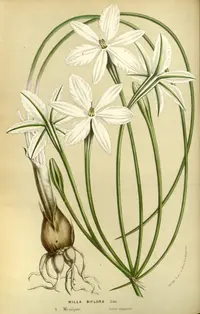
Use Mesh Bulb Baskets

Plant corms in shallow plastic bulb baskets or mesh pots in the ground to protect them from rodents and make it easier to lift, divide, and replant clumps every few years.

Support In Mixed Beds

In mixed borders, place low, open plant supports or weave stems through neighboring plants early in the season to keep the fine flower stalks upright and visible in wind or rain.

Controlled Summer Dry Rest

After flowering, gradually reduce watering and keep the soil drier but not bone-dry for 6–8 weeks to encourage a proper rest period and better flowering the next year.

Container Rotation Routine

For containers, rotate pots a quarter-turn every 7–10 days during active growth to keep flower stalks evenly upright and achieve balanced, symmetrical clumps when growing Mexican star.

Everything About Mexican star

Common Pests and Diseases

Bulb mites

These pests feed inside or around the bulbs, weakening plants and reducing flowering. Symptoms include stunted growth, deformed or undersized flowers, and bulbs that feel soft or show brown feeding scars when inspected.

Solution

Discard severely infested bulbs and any surrounding debris, and dry remaining healthy bulbs thoroughly before replanting. For Milla biflora care, start with clean, disease-free stock, avoid overwatering heavy soils, and, if needed, dip bulbs in a labeled miticide or hot-water treatment (around 111–115°F for 30 min) before storage or planting to reduce mite populations.

Narcissus bulb fly

This pest lays eggs near or on bulbs; the larvae tunnel into the bulb and eat the interior tissue. Symptoms include sudden yellowing, collapse of the flowering stem, and bulbs that are hollow or filled with a soft, rotting core when cut open.

Solution

Remove and destroy any suspect bulbs that feel unusually light, soft, or hollow to prevent larvae from completing their life cycle. In regions where these flies are common, cover bulb beds with fine insect netting during adult flight periods and plant bulbs a bit deeper (10–15 cm) to reduce egg-laying access.

Botrytis blight

This disease is caused by a gray mold fungus that thrives in cool, humid, stagnant air. Symptoms include water-soaked spots on leaves or flower stalks that quickly turn brown and may develop fuzzy gray spores, especially in dense clumps or during wet weather.

Solution

Promptly remove and discard affected flowers and foliage, and avoid overhead watering so leaves dry quickly. Thin or divide congested clumps to improve airflow, and in repeatedly affected plantings consider a preventive fungicide labeled for ornamental bulbs during prolonged cool, wet periods.

Basal plate rot

This disease attacks the basal plate of the bulb, where roots emerge, often following mechanical damage or stress in warm, moist conditions. Symptoms include poor emergence, yellowing foliage, and bulbs with a reddish-brown, dry or crumbly decay at the base.

Solution

Inspect bulbs before planting and discard any with discolored or sunken basal plates. Plant only firm, healthy bulbs in well-drained soil, avoid injury during handling, rotate planting sites if problems recur, and remove and destroy any plants that show advanced symptoms to limit spread.

Interesting Facts

Nocturnal flower opening

The star-shaped white flowers open mainly in the evening and at night, when their sweet fragrance is strongest, which helps attract nocturnal pollinators such as moths.

Geophyte with dry-season rest

Milla biflora survives long dry periods in its native Mexican grasslands as a small underground corm, staying dormant until rains return and then rapidly producing leaves and flowers.

Grassland camouflage strategy

In habitat, the plant’s very narrow, grass-like leaves blend into surrounding vegetation, which likely reduces herbivore attention while still allowing enough photosynthesis for flowering.

Botan icon

Did you know?

Milla biflora often grows in open, seasonally dry oak–pine and grassland habitats at relatively high elevations in Mexico, where its bright white flowers are among the few showy nighttime blooms available to specialized pollinating moths during the rainy season.

FAQs about Mexican star

Lack of flowers usually comes from insufficient light, very young bulbs, or bulbs kept too crowded and exhausted. Allow a cool, dry rest after foliage dies back, then resume watering and feeding to support next season’s buds.

Grow Healthy Plants with Botan Care

Keep your plants happy and healthy with plant identification, disease detection, and easy care guidance.

Botan plant care app — identify plants on mobile

Explore More Plants