Howell's onion Care (Allium howellii)

Howell's onion

About Howell's onion

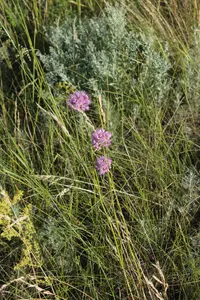
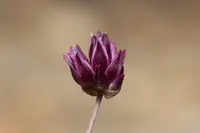
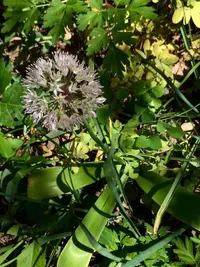
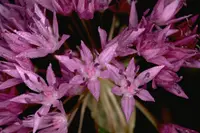
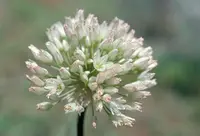
Howell's onion, Allium howellii, is a bulb-forming perennial native to dry, rocky slopes and grasslands of California and parts of the western United States. It typically grows in loose clusters, sending up slender, leafless stalks topped with rounded heads of small, starry flowers in shades of pale pink to lavender.

The plant has a naturally drought-tolerant habit and survives on poor, well-drained soils, which makes it relatively low-maintenance once established. Its main challenges in cultivation are excess moisture and poorly drained substrates that can cause bulb rot.

In general, it prefers full sun, dry to moderately dry conditions, and gritty or sandy soil, and these preferences guide how to care for Howell's onion.

Main Plant Requirements

Care Difficulty

Easy Care

Light Preference

Full Sun

Water Requirements

Low Water

Temperature Preference

Cold Hardy

Hardiness Zone

6–10

Soil Texture

Sandy, Loamy, Rocky

Soil pH

Slightly acidic (6.5–7.0), Neutral (7.0)

Soil Drainage

Well-drained

Fertilization

Minimal (feed rarely)

Get Personalized Care Plan

Scan your plant to receive care tips personalized for your specific plant

Available on iOS and Android

How to Care for the Howell's onion

This western North American bulb prefers strong, direct light to flower well outdoors.

  • Provide 6–8 hours of full sun daily; morning and midday sun are ideal in mild climates, with some light afternoon shade in hotter areas.
  • Howell's onion tolerates light, open shade for part of the day, but flowering and foliage density decline if sun drops below about 4–5 hours.
  • Avoid dense shade from buildings or trees, which causes weak, floppy growth, and note that winter–spring sun is most critical for bulbing and bloom formation.

This drought-tolerant bulb needs infrequent but careful watering once established.

  • Allow the top 5–8 cm of soil to dry before watering during active growth; use deep, infrequent soakings rather than light surface sprinkling.
  • Ensure sharply drained, gritty or sandy soil so water does not pool around the bulbs, which increases the risk of rot in Allium howellii.
  • Reduce or stop irrigation during summer dormancy; wrinkling leaves and soft, collapsing stems suggest underwatering, while yellowing, mushy bases indicate overwatering.

This species is adapted to Mediterranean-type climates with mild, wet winters and dry, warm summers.

  • Provide growing-season temperatures around 55–75°F (13–24°C), which support steady leaf and root development in late winter and spring.
  • Dormant bulbs tolerate short cold spells down to about 15–20°F (-9 to -6°C) if soil is well drained; extended hard freezes can damage bulbs.
  • Plants handle dry heat up to 90–95°F (32–35°C) during dormancy, but active growth in late spring may decline in sustained high heat combined with soil moisture.

Humidity is rarely critical for Allium howellii, which is adapted to dry air and open sites.

  • Aim for 30–50% humidity, similar to most heated homes or outdoor summer air in dry regions.
  • Excess humidity combined with poor air movement encourages leaf spots and bulb rot, especially if foliage stays wet.
  • If air is extremely dry and tips brown while soil moisture is correct, group pots or place a shallow pebble tray nearby instead of misting leaves.

Allium howellii prefers lean, fast-draining mineral soils that stay dry between waterings.

  • Use a sandy or gritty mix such as 50–60% coarse sand or grit with 40–50% loam-based soil or cactus mix for stable structure.
  • Ensure very sharp drainage; water should exit the pot within seconds and the mix should not feel sticky or compacted after drying.
  • Keep pH slightly alkaline to neutral (about 7.0–7.8) by avoiding high-peat mixes and optionally adding a small amount of crushed limestone or horticultural grit.
  • Avoid heavy clay, peat-heavy, or constantly moist mixes, which reduce aeration around bulbs and increase the risk of basal plate rot in Allium howellii.

This species can grow successfully in containers if the pot and medium prioritize strong drainage and bulb stability.

  • Choose a pot only 5–8 cm wider than the bulb cluster so the mix dries evenly and bulbs do not sit in unused, wet substrate.
  • Use a heavier clay or ceramic container outdoors to prevent tall flowering stems from tipping the pot in wind.
  • Fill the bottom third with coarse grit or chunky mineral material, not organic debris, to keep the bulb zone above any temporary water accumulation.

This native bulb generally needs little feeding, but light nutrition can support flowering in lean soils when caring for Howell's onion.

  • Use a balanced, low-strength fertilizer (e.g., 5-5-5 or 10-10-10) or a thin layer of compost in early spring as growth starts.
  • Apply at half the label-recommended dilution to avoid salt buildup around the bulbs.
  • Feed once in spring and, if needed, once in early summer, then stop as foliage begins to yellow and enter dormancy.
  • Avoid fertilizing in winter or during full dormancy to prevent weak, elongated growth.

Allium howellii needs only light pruning focused on spent flowers and declining foliage.

  • In late spring to early summer, deadhead fading flower heads with clean snips to reduce self-seeding if desired.
  • Remove yellowing or dried leaves at the base by cutting them cleanly, leaving green foliage to photosynthesize and feed the bulb.
  • Avoid cutting fresh, green leaves hard, as this can reduce bulb strength and flowering next season.
  • Use small, sharp scissors or hand pruners, disinfected before use, to limit disease spread.

This wild onion is more often transplanted in the ground than repotted, but container-grown clumps may need occasional attention.

  • Check for crowded bulbs, roots circling the pot, or reduced flowering as signs that division or transplanting is due, usually every 3–4 years.
  • Transplant or shift containers in late summer to early fall, after foliage dies back and bulbs are dormant.
  • Lift clumps gently, shake off loose soil, and handle bulbs by the base to reduce root and basal plate damage.
  • Replant at the same depth in well-drained, gritty soil, water lightly once, then allow the bed or pot to dry slightly before regular rainfall resumes.

Allium howellii is commonly propagated by bulb division and by seed under suitable conditions.

  • Divide mature clumps in late summer to early fall when the bulbs are dormant and foliage has fully died back.
  • Gently separate offsets from the parent bulb, keeping basal plates intact, then replant at original depth in well-drained soil.
  • For seed, sow fresh seed in trays or directly outdoors in fall, allowing natural winter cold to break dormancy.
  • Keep the seedbed lightly moist, not waterlogged, with full sun and good air movement to support slow, steady germination.

This species is generally cold hardy in suitable climates and usually needs minimal winter care.

  • In regions with freeze–thaw cycles, apply a light 2–5 cm mulch after the soil cools to buffer temperature swings around the bulbs.
  • Avoid heavy, soggy mulches that can trap moisture and increase rot risk during wet winters.
  • For container plants in colder zones, move pots to a sheltered, unheated area where they stay cold but do not experience severe, drying winds.

Care Tips

Bulb crowding management

Lift and divide clumps every 3–5 years in late summer after foliage has fully died back to prevent overcrowding and maintain strong flowering.

Rocky pocket planting

Plant bulbs into shallow, gritty pockets between rocks or in the upper edge of a dry wall to mimic their native rocky slopes and reduce rot risk in wet spells.

Targeted grazing protection

In areas with rabbits or deer, place low wire mesh hoops or a short hardware-cloth collar around emerging shoots in spring to prevent grazing of tender new growth.

Seed bank renewal

Allow some flower heads to dry fully on the plant, then shake seed into nearby bare, well-drained patches to build a self-sustaining local seed bank when growing Howell's onion.

Summer dry rest

Once foliage yellows, stop irrigation and, in wet-summer climates, consider lifting bulbs to store in a dry, airy place so they complete their natural dry dormancy without rotting.

Common Pests and Diseases

Onion thrips

This pest feeds on leaves and flower stalks, causing silvery streaks, tiny black specks, and general weakening of the plant.

Solution

Remove nearby plant debris, then spray foliage with a strong stream of water to dislodge insects and repeat weekly during active infestations; for heavier cases, apply a neem oil or insecticidal soap spray in the evening, coating both sides of the leaves, and improve spacing and airflow to reduce reinfestation while growing Howell's onion outdoors or in containers.

Bulb mites

These insects attack stored or in-ground bulbs, leading to soft, decaying tissues and poor or uneven emergence in spring.

Solution

Discard badly infested bulbs, then dry and cure healthy bulbs thoroughly before storage, keeping them in a cool, dry, well‑ventilated place; avoid planting into heavy, wet soils and rotate planting sites, using clean, well‑drained sandy or gritty soil to limit mite buildup.

Downy mildew

This disease causes pale, yellowish patches on leaves that later develop grayish or purplish fuzzy growth, leading to leaf collapse in humid or cool conditions.

Solution

Promptly remove and destroy affected leaves, then improve spacing and site airflow and avoid overhead watering; for recurring problems, use a copper‑based or other labeled fungicide early in the season, applying to dry foliage and repeating as directed during extended cool, damp weather.

Botrytis neck rot

This disease usually begins at the neck of the bulb, causing soft, sunken areas that later develop gray mold, especially in stored bulbs or overcrowded clumps.

Solution

Harvest only dry, mature bulbs, cure them thoroughly before storage, and keep stored bulbs cool and dry; remove and discard any bulbs showing soft spots, avoid neck damage at harvest, and thin dense plantings so the neck area dries quickly after rain or irrigation.

Onion maggot

This pest tunnels into bulbs and roots, causing wilting, yellowing foliage and eventual plant collapse, often in spring or early summer.

Solution

Remove and destroy affected plants and surrounding soil cores, then use fine mesh row covers over new plantings during the main fly period; avoid leaving onion debris in the ground, rotate out of Allium beds for several years, and, if pressure is high, consider applying a soil drench or granular product specifically labeled for onion maggot at planting time.

Interesting Facts

California-endemic onion

This wild onion species occurs naturally only in California, primarily in the central and southern parts of the state, where it grows on dry, rocky slopes and foothills.

Adapted to serpentine soils

Populations are often found on serpentine-derived soils, which are low in essential nutrients and high in heavy metals, showing a strong adaptation to harsh, chemically challenging substrates.

Variable floral forms

Botanists recognize several varieties within this species, which differ in traits such as flower size, color hue, and tepal shape, reflecting local adaptation across its restricted range.

FAQs about Howell's onion

Lack of flowering often comes from insufficient dormancy, overcrowded bulbs, or too much shade. Allow foliage to die back naturally, avoid heavy summer watering, and divide crowded clumps every few years to restore bloom performance.

Grow Healthy Plants with Botan Care

Keep your plants happy and healthy with plant identification, disease detection, and easy care guidance.

Botan plant care app — identify plants on mobile

Explore More Plants