Golden Everlasting Care (Xerochrysum bracteatum)

Also known as: Bushy Everlasting, Strawflower, Annual Everlasting-flower
Golden Everlasting

About Golden Everlasting

Golden everlasting, Xerochrysum bracteatum, is a short-lived perennial commonly grown as an annual, valued for its papery, daisy-like flower heads. The stiff, dry bracts keep their color for a long time, making the plant popular for fresh beds and dried arrangements.

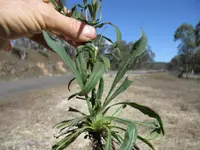
Plants usually form low, branching mounds with narrow, slightly rough leaves and upright flowering stems. Colors range from white and yellow to orange, pink, and red, often with a contrasting dark center.

Xerochrysum bracteatum is native to Australia but is widely cultivated in many temperate regions. It prefers sunny, open sites with well-drained soil and moderate moisture, so understanding how to care for Golden Everlasting starts with providing light and drainage rather than constant watering.

Main Plant Requirements

Care Difficulty

Easy Care

Light Preference

Full Sun

Water Requirements

Moderate Water

Temperature Preference

Tropical / Frost Sensitive

Hardiness Zone

9–11

Soil Texture

Sandy, Loamy, Organic-rich

Soil pH

Acidic (5.5–6.5), Slightly acidic (6.5–7.0)

Soil Drainage

Well-drained

Fertilization

Light (every 4–6 weeks)

Get Personalized Care Plan

Scan your plant to receive care tips personalized for your specific plant

Available on iOS and Android

How to Care for the Golden Everlasting

This sun-loving annual thrives in bright, open sites with strong direct light.

  • Provide 6–8 hours of direct sun daily; full sun promotes compact growth and abundant blooms for Golden Everlasting.
  • Accepts light afternoon shade in very hot regions; morning sun plus dappled light later helps prevent leaf scorch and faded bracts above 95°F (35°C).
  • In early spring and late fall, choose the sunniest available spot, since low-angle sun is weaker and too much shade leads to lank growth and fewer flowers.

This plant prefers slightly dry, fast-draining conditions rather than consistently moist soil.

  • Allow the top 3–5 cm of soil to dry before watering; in sandy beds during hot weather, this may mean every few days, but always check soil by touch first.
  • Use very well-drained soil or raised beds to prevent waterlogging, which causes wilting stems, yellowing lower leaves, and root rot in Xerochrysum bracteatum.
  • Mild underwatering shows as slight leaf droop that recovers after watering; deep, infrequent watering encourages deeper roots, while frequent light splashes keep roots shallow and stressed.

This species performs best in warm, mild conditions and reacts poorly to hard frost.

  • Ideal growing temperatures are 65–80°F (18–27°C), which support steady flowering and firm, well-colored bracts.
  • Plants tolerate short peaks up to about 90–95°F (32–35°C) if soil is not waterlogged; mulch can buffer root temperatures during hot spells.
  • Below 32°F (0°C) frost damages foliage and buds; treat it as a warm-season annual in regions with cold winters and plant outdoors after the last expected frost date.

This species is adapted to dry climates and rarely needs special humidity management.

  • Aim for 30–50% humidity, similar to typical indoor air, without targeted boosting.
  • Plants tolerate dry air well; persistent wilting in cool, bright conditions usually indicates underwatering, not humidity stress.
  • If leaf tips brown despite adequate watering and light, slightly raise humidity with a nearby pebble tray rather than misting the papery bracts.

Xerochrysum bracteatum prefers a light, fast-draining mineral-rich substrate that never stays waterlogged.

  • Use a sandy or sandy-loam mix with 30–50% coarse sand or grit to keep the root zone open and airy.
  • Maintain slightly acidic to neutral pH around 6.0–7.0, incorporating modest compost for nutrients without making the mix dense.
  • Improve drainage and aeration by adding perlite or pumice, especially in containers or heavy native soils.
  • Avoid compacted clay, peat-heavy mixes that stay wet, or any substrate that forms puddles after watering, as this encourages root rot.

This species is well suited to container growing outdoors in sunny sites.

  • Choose a wide, shallow to medium-depth pot to support its spreading, bushy habit without creating a deep, constantly wet soil column.
  • Select terracotta or other porous materials if overwatering is a risk, as they allow faster moisture loss than plastic.
  • In windy spots, use a heavier container or add weight at the base to prevent tall flowering stems from tipping the pot over.

Xerochrysum bracteatum is a light feeder, so modest fertilization supports flowering without forcing soft, weak growth.

  • Use a balanced, slow-release fertilizer (around 10-10-10) or a thin layer of compost mixed into the topsoil at planting.
  • During the growing season, feed every 4–6 weeks with fertilizer diluted to 1/2 strength in containers; garden beds may need less.
  • Skip or very lightly feed Golden Everlasting in fall and winter, when growth slows or stops, to avoid lush, frost-tender foliage.
  • Always water before and after applying fertilizer to reduce root burn and help nutrients disperse evenly.

Pruning Xerochrysum bracteatum focuses on deadheading and light shaping to extend bloom and keep plants compact.

  • In spring and through the growing season, remove spent flower heads down to a leaf node to promote continuous flowering.
  • Cut back dead, diseased, or storm-damaged stems with clean, sharp scissors or hand pruners to maintain plant health.
  • Thin out crowded or weak stems at the base to improve air flow and reduce fungal issues in humid or wet weather.
  • At season’s end, shear back declining plants close to ground level to tidy beds and reduce overwintering pests.

Xerochrysum bracteatum is usually grown as a seasonal bedding or container annual, so transplanting is more common than long-term repotting.

  • Transplant after frost risk has passed, when seedlings have several true leaves and roots hold the soil plug without tight circling.
  • If grown in pots, move to a container 2–5 cm wider when roots fill the pot, growth slows, or watering frequency increases sharply.
  • Transplant in the cool part of the day, handle the root ball gently, and disturb roots only enough to loosen tight spirals.
  • Set plants at the same soil depth, water thoroughly, and shade lightly for 2–3 days to limit transplant shock.

Propagation of Xerochrysum bracteatum is most efficient from seeds, which germinate well under warm, bright conditions.

  • Sow seeds indoors in late winter to early spring on the surface of moist, well-drained mix, since they need light to germinate.
  • Maintain 65–75°F and gentle, even moisture; seedlings usually emerge in 7–14 days under good light.
  • Harden off seedlings gradually outdoors over 7–10 days before planting into beds or containers after frost risk passes.
  • For cuttings, take non-flowering shoots in late spring, insert in sandy mix, and keep humidity high until rooted.

In most climates Xerochrysum bracteatum is treated as a tender annual, so winter care focuses on frost avoidance rather than long-term protection.

  • Plants are frost-sensitive and usually decline with the first hard frost, so plan to replant from seed or starts each year.
  • In mild-winter regions, a light mulch around the root zone can help any surviving plants through brief cold snaps.
  • Container plants in cooler zones can be moved to a bright, frost-free spot indoors or in a greenhouse before temperatures drop near freezing.

Care Tips

Pinch For Bushiness

Pinch out the soft shoot tips when plants are 10–15 cm tall to encourage branching and a denser flowering habit instead of tall, sparse stems.

Cut Flower Harvesting

Harvest stems for drying when the central florets are still tight and the outer bracts are about 2/3 open, then hang bunches upside down in a dry, shaded, well-ventilated place for best color retention.

Staggered Succession Sowing

Sow small batches every 2–3 weeks in spring to maintain a continuous display and provide a steady supply of usable stems for cutting or drying rather than one short flush.

Prevent Flopping With Support

Install low, wide mesh or a simple string grid over the bed when plants are 10–20 cm high so stems grow through it and stay upright under the weight of many blooms and wind.

Deadhead With Long Stems

When removing spent blooms, cut well down the stem to a strong side shoot instead of just snapping off the flower head to stimulate stronger regrowth and more flowering when growing Golden Everlasting.

Common Pests and Diseases

Aphids

This pest often clusters on soft new growth, sucking sap and causing distorted stems, curled leaves, and sticky honeydew that can attract sooty mold.

Solution

Remove heavily infested shoot tips, then wash remaining foliage with a strong but gentle stream of water, focusing on undersides of leaves and flower stems. For persistent infestations, apply insecticidal soap or a neem oil spray in the early morning, repeating every 5–7 days until populations drop, and avoid excess nitrogen fertilizer that encourages lush, aphid-prone growth.

Leaf miners

These insects create winding, pale tunnels inside the leaves, which can lead to blotchy, weakened foliage and reduced flowering if damage is heavy.

Solution

Prune and discard affected leaves as soon as tunnels appear to reduce larvae inside the plant tissue. Encourage natural predators, avoid overuse of broad-spectrum insecticides, and if needed use a systemic insecticide labeled for ornamentals, applied according to directions so it reaches larvae within the leaves.

Botrytis blight

This disease causes brown, water-soaked spots on flower bracts and leaves that may develop fuzzy gray mold, especially in cool, damp conditions or crowded plantings.

Solution

Remove and discard all affected flowers and foliage, and improve air circulation by spacing plants properly and avoiding overhead watering. In prolonged wet weather, apply a fungicide labeled for Botrytis on ornamentals and keep spent blooms deadheaded as part of general Xerochrysum bracteatum plant care.

Powdery mildew

This disease produces a white, powdery coating on leaves and stems, which can lead to yellowing, reduced vigor, and premature leaf drop in stressed plants.

Solution

Increase air movement around plants, water at the base rather than from above, and avoid high-density planting. At first signs, remove badly affected leaves and apply a sulfur or potassium bicarbonate fungicide labeled for ornamentals, rotating products if needed to prevent resistance.

Spider mites

This pest thrives in hot, dry conditions, causing fine speckling on leaves, slight bronzing, and delicate webbing between stems and flower stalks.

Solution

Rinse foliage thoroughly with water, including the undersides of leaves, and raise ambient humidity slightly around the plants without leaving foliage wet for long periods. For ongoing problems, use insecticidal soap or horticultural oil at 5–7 day intervals, and avoid stressing the plant with drought, which favors mite outbreaks.

Interesting Facts

Paper-like false petals

The colorful structures that look like petals are actually papery bracts made of many dry, rigid cells, while the true flowers are tiny yellow florets packed into the center of the head.

Fire-adapted life cycle

In its native Australian habitats, this species often colonizes recently burned or disturbed sites, using its rapid growth and abundant seed production to take advantage of post-fire conditions.

Exceptional color longevity

The bracts retain their shape and color for months after harvest when dried correctly, which is why this species became one of the classic plants for dried flower arrangements and is central to Xerochrysum bracteatum plant care in floristry.

Botan icon

Did you know?

This species was one of the first Australian native ornamentals to be widely bred in Europe from the 19th century onward, leading to a large range of modern cultivars in many colors that no longer exist in wild populations.

FAQs about Golden Everlasting

Poor flowering often comes from low light, excess nitrogen fertilizer, or old, exhausted plants. Deadhead spent blooms, avoid high-nitrogen feeds, and replace very old specimens to keep this species flowering reliably over the season.

Grow Healthy Plants with Botan Care

Keep your plants happy and healthy with plant identification, disease detection, and easy care guidance.

Botan plant care app — identify plants on mobile

Explore More Plants