Slender Rockcress Care (Arabis pycnocarpa)

Slender Rockcress

About Slender Rockcress

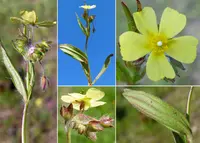
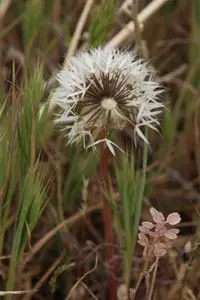
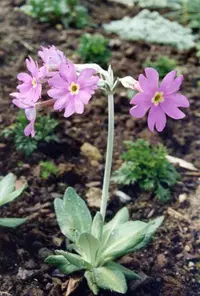
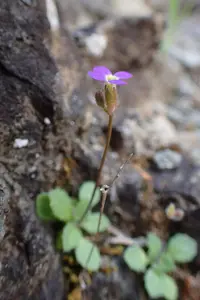
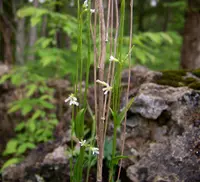
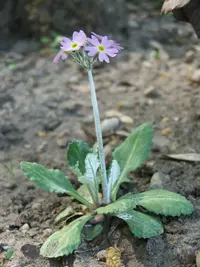
Slender rockcress (Arabis pycnocarpa) is a small, clump-forming perennial in the mustard family, valued for its delicate, early-season flowers. It typically forms low mats of narrow green leaves topped with loose clusters of small white blooms.

This species is native to parts of eastern North America, where it grows in rocky woods, slopes, and open limestone areas. Its compact habit and tolerance of lean, well-drained soil make it suitable for rock gardens and naturalized plantings.

Plants prefer sun to light shade and soil that does not stay wet for long periods. Once established, it is relatively low-maintenance, so learning how to care for Slender Rockcress is straightforward for most gardeners.

Main Plant Requirements

Care Difficulty

Easy Care

Light Preference

Partial Sun

Water Requirements

Moderate Water

Temperature Preference

Cold Hardy

Hardiness Zone

4–8

Soil Texture

Sandy, Loamy, Rocky

Soil pH

Acidic (5.5–6.5), Slightly acidic (6.5–7.0)

Soil Drainage

Well-drained

Fertilization

Minimal (feed rarely)

Get Personalized Care Plan

Scan your plant to receive care tips personalized for your specific plant

Available on iOS and Android

How to Care for the Slender Rockcress

Arabis pycnocarpa prefers bright conditions typical of open woodland edges and rocky slopes.

  • Provide 4–6 hours of direct morning sun with light or dappled shade in the hotter afternoon, especially in warm climates.
  • Plant in a site with open exposure or high, filtered light; dense shade reduces flowering and leads to weak, elongated growth.
  • In summer, monitor for leaf scorch or bleaching from intense midday sun, while in early spring and fall it can tolerate more direct light without damage.

This species favors slightly dry to moderately moist soil and dislikes prolonged wetness.

  • Allow the top 3–5 cm of soil to dry before watering; soil should feel dry to the touch but not powdery or pulling away from roots.
  • Ensure sharply drained, gritty or sandy soil so excess water runs off quickly; soggy conditions cause yellowing foliage, root rot, and plant collapse.
  • In cool spring and fall, natural rainfall often suffices, while in hot, dry spells water deeply but infrequently, watching for wilting or dull, limp leaves as signs of thirst.

This cold-hardy perennial tolerates a wide temperature range typical of temperate outdoor climates.

  • Optimal growth occurs around 55–70°F (13–21°C), especially during cool spring and early summer when foliage and flowering are most active.
  • Mature plants withstand winter lows near -20°F (-29°C) with good drainage; repeated freeze–thaw in heavy, wet soil is more harmful than stable cold.
  • In hot summers above 85°F (29°C), combine cooler morning sun with afternoon shade and avoid heat-reflecting surfaces that can overheat the root zone.

This species handles typical outdoor humidity and does not need special humidity management.

This plant prefers lean, sharply drained soil that stays airy around the roots.

  • Use sandy or gritty loam with 30–50% mineral grit such as coarse sand or fine gravel to prevent water retention.
  • Aim for slightly alkaline to neutral pH around 6.8–7.5, avoiding very acidic mixes that weaken growth.
  • In containers, combine standard potting mix with coarse sand and perlite in roughly equal parts to improve aeration.
  • Avoid heavy clay, compacted sites, or peat-heavy mixes that stay wet, which promotes root rot in Arabis pycnocarpa.

This species can be grown successfully in containers, especially for rock garden or edging displays.

  • Choose a wide, shallow pot so the spreading roots and foliage can form a dense mat without waterlogging the center.
  • Use unglazed clay or stone containers if outdoor conditions are wet, as these materials allow faster evaporation from the root zone.
  • Raise the pot slightly on feet or bricks so drainage holes stay clear and excess rainwater leaves the container quickly.

Arabis pycnocarpa is a low-maintenance native that only needs light feeding in lean soils to maintain steady flowering and foliage density.

  • Use a balanced, slow-release fertilizer (for example 10-10-10) or a thin layer of compost in early spring as growth begins.
  • Apply once per year in the ground; container-grown plants may benefit from a second light feeding in midsummer.
  • Dilute liquid products to 1/2 strength and water in thoroughly to avoid root burn.
  • Skip feeding in late fall and winter, as Slender Rockcress is semi-dormant and extra nutrients are not used.

Arabis pycnocarpa responds well to light, timely pruning that keeps the plant dense and floriferous.

  • Shear or clip back spent flowering stems in late spring to early summer to encourage compact regrowth and possible rebloom.
  • Remove dead, damaged, or winter-burned shoots with clean, sharp scissors or hand pruners at any time.
  • Thin out crowded or leggy sections by cutting stems back to a healthy leaf cluster, improving air flow and shape.
  • Avoid cutting into the woody crown; leave some green growth on each stem to ensure quick recovery.

This species is usually grown in the ground, so focus on careful transplanting rather than frequent repotting.

  • Transplant in early spring or early fall when temperatures are mild and soil is moist but not waterlogged.
  • Choose a well-drained, gritty site and keep the crown level with the soil surface to prevent rot.
  • Move plants only when necessary, such as overcrowding or poor performance; water deeply a day before lifting to reduce root stress.
  • Lift with a generous soil clump, replant promptly, then water in thoroughly and shade for a few days to help recovery.

Arabis pycnocarpa is commonly propagated by seed, division, or softwood cuttings to maintain or expand plantings.

  • Sow fresh seeds in fall or late winter; expose to cool conditions for several weeks, then provide light and even moisture for germination.
  • Divide mature clumps in early spring, replanting sections with healthy roots and several shoots at the same depth.
  • Take soft, non-flowering stem cuttings in late spring, insert into moist, gritty mix, and keep in bright, indirect light until rooted.
  • Label different seed or cutting batches and discard any that show mold or persistent wilting.

This cold-hardy perennial generally needs minimal winter care in typical temperate climates.

  • Plants in the ground tolerate frost and snow once established, especially in well-drained soil.
  • Apply a light mulch layer (2–5 cm) around but not over the crown in late fall to buffer freeze–thaw cycles.
  • Container plants are more exposed; move pots to a sheltered, unheated area and keep soil barely moist.

Care Tips

Encourage Dense Mats

Pinch or lightly shear back spent flowering stems immediately after bloom to keep the plant compact, encourage tighter groundcover mats, and stimulate a fresh flush of foliage.

Improve Rock Crevice Drainage

When planting into rock gardens or wall crevices, backfill around the roots with a gritty mix of small gravel and coarse sand so water drains away quickly and crowns do not rot in heavy rains.

Use Gravel Mulch

Top-dress around clumps with a 1–2 cm layer of fine gravel instead of organic mulch to reduce crown rot risk, keep foliage clean, and mimic the rocky habitats that support healthy growth.

Plan Short-Lived Clumps

Monitor older clumps for thinning centers and divide or replant from self-sown seedlings every 3–4 years to maintain a dense, attractive stand rather than relying on a single long-lived planting.

Manage Self-Seeding

If natural spread is not desired, remove seed pods as they form, but if growing Slender Rockcress as a groundcover, allow some pods to mature and drop seed to create a self-renewing colony.

Common Pests and Diseases

Flea beetles

These insects chew many small round holes in the leaves, giving foliage a shot‑holed or lace‑like appearance and sometimes stunting new growth.

Solution

Use floating row covers in spring to keep adults off new foliage, reduce nearby weed hosts in the mustard family, and if damage is high, apply a spinosad or pyrethrin-based spray in the evening, following the label and avoiding open flowers to protect pollinators.

Cabbage aphids

These insects cluster on stems and leaf undersides, sucking sap and causing curling, distortion, and sticky honeydew deposits that can attract sooty mold.

Solution

Dislodge colonies with a strong stream of water, remove heavily infested tips, and when needed use insecticidal soap or a light horticultural oil, making sure to coat the undersides of leaves and repeating as new aphids appear.

Downy mildew

This disease produces yellow or pale leaf spots with a gray to purplish fuzzy growth on the undersides in cool, moist weather, leading to premature leaf drop.

Solution

Increase air movement around plants, avoid overhead watering, remove and discard infected leaves, and in severe, recurrent cases consider a preventative fungicide labeled for downy mildew on brassicas, applied according to directions.

White rust

This disease causes pale to yellow spots on upper leaf surfaces and white blister-like pustules on the undersides, which can distort foliage and reduce vigor.

Solution

Promptly remove and destroy affected leaves, keep foliage dry by watering at soil level, improve spacing for better airflow, and rotate away from other brassicas in nearby beds to reduce spore carryover, which supports sustainable Arabis pycnocarpa care.

Clubroot

Symptoms include stunted, yellowing plants that wilt in warm parts of the day, with swollen, club-like roots when dug up, especially in wet, acidic soils.

Solution

Remove and discard entire affected plants including roots, improve drainage, avoid moving contaminated soil on tools or shoes, and raise soil pH toward neutral with lime where appropriate, planting brassica relatives in a different area for several years.

Interesting Facts

Early-spring specialist

This species is adapted to flower in early spring in deciduous forests, taking advantage of high light levels before tree canopies fully leaf out and shade the forest floor.

Calcareous soil preference

It typically occurs on calcareous substrates such as limestone-derived soils and dolomite outcrops, reflecting a strong association with high-calcium, often rocky habitats in its native range.

Native forest rock-dweller

The plant often anchors itself in thin soil pockets on rocky slopes, ledges, and stream-side bluffs in eastern North American woodlands, where its fibrous roots can exploit small fissures in rock surfaces.

FAQs about Slender Rockcress

This species is a short-lived perennial. Individual clumps may persist several years but often behave like biennials, flowering heavily then declining. Allowing some plants to self-seed helps maintain a continuous patch over time.

Grow Healthy Plants with Botan Care

Keep your plants happy and healthy with plant identification, disease detection, and easy care guidance.

Botan plant care app — identify plants on mobile

Explore More Plants