Long-flowered Primrose Care (Primula halleri)

Long-flowered Primrose

About Long-flowered Primrose

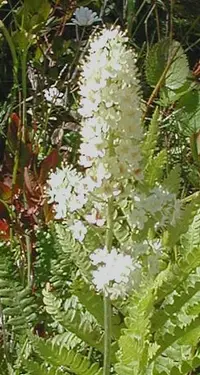
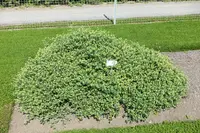
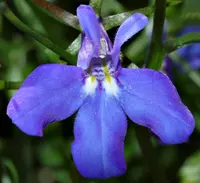
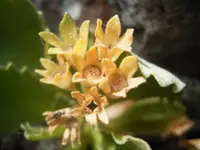
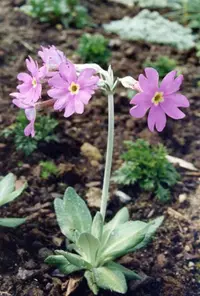
Long-flowered primrose (Primula halleri) is a compact, clump-forming perennial from mountain regions of central and southern Europe. It typically grows in rocky, alpine meadows and open slopes. Its leaves form low, neat rosettes, while slender stems carry elegant, tubular pink to lilac flowers that are noticeably longer than those of many other primroses. The blooms appear in late spring to early summer, attracting pollinators and adding delicate color to cool rock gardens. Primula halleri prefers cool conditions, moist but well-drained soil, and shelter from strong heat, which makes it moderately demanding. Gardeners who learn how to care for Long-flowered Primrose find it rewarding in the right climate and soil.

Main Plant Requirements

Care Difficulty

Moderate Care

Light Preference

Partial Shade

Water Requirements

Keep Soil Moist

Temperature Preference

Cold Hardy

Hardiness Zone

4–7

Soil Texture

Loamy, Silty, Organic-rich

Soil pH

Acidic (5.5–6.5), Slightly acidic (6.5–7.0)

Soil Drainage

Moist but well-drained

Fertilization

Light (every 4–6 weeks)

Get Personalized Care Plan

Scan your plant to receive care tips personalized for your specific plant

Available on iOS and Android

How to Care for the Long-flowered Primrose

This alpine primrose prefers cool, bright conditions with protection from intense midday sun.

  • Provide 3–5 hours of gentle morning sun with light or open shade in the afternoon to prevent leaf scorch on Long-flowered Primrose.
  • Grow in dappled or filtered light under shrubs or high trees; strong sun after 11 a.m. can bleach foliage and dry soil too quickly.
  • In hotter summers, shift to more shade or add light mulch; in early spring, slightly increased sun helps compact growth and better flowering.

This species needs consistently moist but not waterlogged soil, especially in the growing season.

  • Water when the top 2–3 cm of soil feel just starting to dry, aiming for evenly damp soil rather than a wet surface.
  • Use humus-rich, well-drained soil or a raised bed so excess water can drain, reducing risk of root rot and yellowing, limp leaves from overwatering.
  • During cool spring and fall, watering is often less frequent; in hotter spells, watch for drooping leaves or dry edges as signs to water more promptly for Primula halleri.

This alpine perennial prefers cool to mild temperatures and tolerates substantial winter cold when rooted outdoors.

  • Best growth occurs around 50–68°F (10–20°C), with cool nights encouraging sturdy foliage and long-lasting flowers.
  • Established plants tolerate brief drops near 5–10°F (-15 to -12°C) under snow or mulch, but repeated freeze–thaw without protection can damage crowns.
  • In summer, plants handle up to about 75–80°F (24–27°C) if soil stays moist and roots shaded; prolonged heat above this often causes stress and shorter flowering.

This alpine primrose prefers moderately moist air and suffers in very dry rooms.

  • Aim for 50–60% humidity, similar to a cool, moist spring day.
  • In drier homes, leaf edges may brown and buds may abort, showing humidity stress.
  • Increase humidity with a pebble tray or grouped plants, but keep leaves dry to limit fungal issues on Long-flowered Primrose.

Primula halleri grows best in cool, moist, sharply drained soil that never stays waterlogged.

  • Use a loose loam rich in organic matter, with visible grit or fine gravel to keep pores open.
  • Aim for slightly acidic to neutral pH, roughly 6.0–7.0, to support steady nutrient uptake.
  • Mix equal parts garden loam, compost, and coarse sand or fine grit for both moisture retention and rapid drainage.
  • Avoid heavy clay, compacted beds, or pure peat mixes that either trap water around roots or dry into hard clods.

This species can grow well in containers if moisture and drainage are carefully balanced.

  • Choose a relatively deep, heavy pot so the cool root zone stays stable and does not overheat or tip in wind.
  • Line the bottom with a thin layer of coarse grit, not stones, to prevent mix particles from clogging drainage holes.
  • Set the container inside a wider outer cachepot or trough so sidewalls are shaded and the root zone remains cooler.

This alpine perennial needs only light, targeted feeding to support flowering without soft, weak growth when caring for Long-flowered Primrose.

  • Apply a balanced, diluted liquid fertilizer (for example 10-10-10 at 1/4–1/2 strength) every 4–6 weeks during active spring growth.
  • Use a thin layer of fine compost as a top-dress around the clump instead of heavy granular feeding.
  • Stop feeding in late summer and avoid fertilizer in fall and winter to prevent tender, frost-prone growth.
  • Water before and after feeding to reduce root burn and keep nutrients evenly distributed in the soil.

Primula halleri benefits from light, precise pruning to keep the clump dense and flowering well.

  • In spring and after the main bloom, remove spent flower stems at the base to direct energy back to roots and new rosettes.
  • Trim yellowing or diseased leaves with clean, sharp scissors to improve airflow and reduce fungal problems.
  • Thin out crowded rosettes gently, removing the weakest to maintain a compact, balanced shape.
  • Disinfect tools before and after use if disease is suspected to avoid spreading pathogens between plants.

This species is usually grown in rock gardens or beds, so focus on gentle transplanting rather than frequent repotting.

  • Transplant in early spring or early fall when temperatures are mild and soil stays evenly moist.
  • Move plants when clumps are crowded, growth slows, or roots circle a container or fill planting pockets.
  • Lift the clump with a trowel, keeping as much root ball and surrounding soil intact as possible.
  • Replant into gritty, free-draining soil at the same depth, then water thoroughly and shade lightly for a few days to reduce stress.

Primula halleri is commonly propagated by division and seeds to maintain or expand plantings.

  • Divide mature clumps in early spring or just after flowering, when soil is moist but not waterlogged.
  • Gently tease apart rosettes, keeping several healthy roots on each division, and replant immediately at original depth.
  • Sow fresh seeds on the surface of cool, moist, gritty mix; many benefit from 4–6 weeks of cold stratification in a fridge.
  • Keep divisions and seed trays in bright, indirect light with consistent moisture, avoiding waterlogged conditions to prevent rot.

This alpine primula is quite cold hardy but benefits from simple winter care in colder regions.

  • In-ground plants usually tolerate typical temperate frosts when soil drains well and does not stay saturated.
  • Apply a thin mulch of leaf mold or fine bark after the ground cools to buffer freeze–thaw cycles around roots.
  • For containers, move pots to a sheltered, unheated but frost-free or near-freezing spot to prevent root damage from deep freezing.

Care Tips

Alpine-style mulching

Add a thin, gritty mulch of fine gravel or coarse sand around the crowns in spring to keep the leaf bases dry, reduce soil splash on foliage, and mimic the plant’s natural alpine habitat.

Crown rot prevention

Set each plant slightly high in the planting hole so the crown sits just above the final soil level, which helps water drain away from the center and greatly reduces rot in wet periods.

Summer shade adjustment

During hot spells, provide temporary shade using a shade cloth or by positioning low containers or stones on the sunward side of the clump to prevent stress and prolong flowering when growing Long-flowered Primrose.

Snow and ice management

In cold regions, allow a stable snow cover to insulate the plants but gently brush off heavy ice crusts so the buds are not crushed and the crowns do not sit under compacted, airless snow for long periods.

Rock and stone placement

Place rocks or larger stones on the south or west side of the plant to buffer temperature swings, provide slight wind protection, and create cooler, moister pockets around the roots without shading the crown excessively.

Common Pests and Diseases

Vine weevil

This pest often attacks Primula roots and crowns, causing wilting and collapse despite adequate moisture. Symptoms include notched leaf edges from adults and, more seriously, hidden root damage from white grubs in the soil.

Solution

Inspect pots and soil for C-shaped white grubs and remove them by hand, then replace or refresh the compost. Use physical barriers on pots, encourage natural predators, and in outdoor beds apply nematodes specifically labeled for vine weevil control during the grub stage.

Spider mite

These insects thrive in warm, dry conditions and can cause fine stippling, dull foliage, and delicate webbing on the undersides of Primula leaves. This pest weakens plants, especially when grown under cover or in sheltered, dry spots.

Solution

Increase humidity around the plant, then hose or shower foliage to wash mites off, focusing on leaf undersides. For persistent infestations, use insecticidal soap or horticultural oil, repeating applications as directed and improving air circulation to reduce reinfestation.

Primula leaf spot

This disease causes small, round to irregular brown or purple spots on leaves that may merge into larger patches, leading to premature yellowing and dieback. Symptoms include more severe spotting in cool, damp weather or where foliage stays wet for long periods.

Solution

Remove and discard affected leaves promptly and avoid overhead watering to keep foliage as dry as possible. Improve spacing and airflow, and if the problem recurs in the same area, rotate planting locations and use a fungicide labeled for leaf spot on Primula, applied according to instructions.

Grey mold (Botrytis)

This disease affects flowers and leaves during cool, humid conditions, leading to soft brown patches and a characteristic grey fuzzy mold. Symptoms include blighted flower clusters and collapsing foliage, especially on dense or shaded plants.

Solution

Remove faded blooms and any soft, infected tissue as soon as it appears and discard it in the trash. Improve ventilation, reduce overhead watering, and in persistent cases apply a suitable ornamental fungicide while adjusting watering to avoid prolonged leaf wetness.

Aphids

These insects cluster on tender Primula shoots and flower stems, sucking sap and causing distortion, sticky honeydew, and sometimes sooty mold. This pest can also transmit plant viruses that stunt growth and reduce flowering.

Solution

Wash colonies off with a firm stream of water or wipe them away by hand, then monitor new growth closely. If needed, apply insecticidal soap or horticultural oil, making sure to coat all plant surfaces, and encourage beneficial insects such as lady beetles outdoors to keep populations low.

Interesting Facts

Alpine limestone specialist

This species naturally occurs on calcareous, rocky slopes and screes in the European Alps, typically rooting in shallow, lime-rich soils and rock crevices at high elevations.

Early snowmelt bloomer

In its native range it often flowers soon after snowmelt, using the short alpine growing season efficiently with compact rosettes and clusters of lilac to pink flowers.

Pollinated by cold-tolerant insects

The flowers are adapted to early-season alpine pollinators such as bumblebees and other cold-tolerant insects that are active in low temperatures and unpredictable mountain weather.

FAQs about Long-flowered Primrose

This species is a hardy perennial. It regrows from the same crown each year, forming clumps that slowly enlarge. Flowering and foliage die back in winter in colder climates, then re-emerge from the rootstock in spring.

Grow Healthy Plants with Botan Care

Keep your plants happy and healthy with plant identification, disease detection, and easy care guidance.

Botan plant care app — identify plants on mobile

Explore More Plants