Woody Rock-rose Care (Tuberaria lignosa)

Also known as: perennial rock-rose
Woody Rock-rose

About Woody Rock-rose

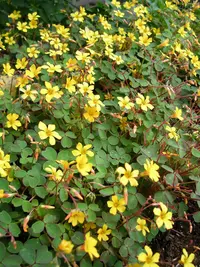
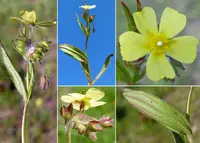
Woody rock-rose (Tuberaria lignosa) is a small, short-lived perennial or subshrub from the Mediterranean region, often found in dry, open habitats and poor soils. It forms low, bushy clumps with narrow, slightly hairy leaves and showy yellow flowers with a darker eye that appear in loose clusters.

The plant is adapted to heat, sun, and drought, which makes it suitable for rock gardens and naturalistic, low-maintenance plantings in mild climates. It usually prefers full sun, well-drained, sandy or stony soil, and benefits from conditions that are not too rich or wet.

Because it is drought-tolerant but somewhat short-lived, gardeners often treat it as a decorative, light-care feature rather than a long-term structural shrub, so it is relatively simple to care for Woody Rock-rose.

Main Plant Requirements

Care Difficulty

Moderate Care

Light Preference

Full Sun

Water Requirements

Low Water

Temperature Preference

Warm Climate

Hardiness Zone

8–10

Soil Texture

Sandy, Loamy, Rocky

Soil pH

Slightly acidic (6.5–7.0), Neutral (7.0)

Soil Drainage

Well-drained

Fertilization

Minimal (feed rarely)

Get Personalized Care Plan

Scan your plant to receive care tips personalized for your specific plant

Available on iOS and Android

How to Care for the Woody Rock-rose

This Mediterranean shrub prefers bright, open conditions with protection from harsh extremes.

  • Provide 6–8 hours of direct sun daily, with morning and late-afternoon light ideal; slight midday shade reduces leaf scorch in hot inland areas.
  • Tolerates light partial shade, but flowering drops noticeably if it receives less than about 4–5 hours of direct sun.
  • In very hot summers, Woody Rock-rose benefits from filtered light or high, dappled shade during the hottest midday period to prevent bleaching and stress.

This plant is drought-tolerant once established and prefers slightly dry conditions.

  • Allow the top 3–5 cm of soil to dry before watering, then water deeply so moisture reaches the root zone, especially in the first 1–2 growing seasons.
  • Use sharply drained, sandy or gravelly soil; standing water or slow-draining clay leads to root rot, yellowing foliage, and weak growth in Tuberaria lignosa.
  • In summer heat, watch for limp, dull leaves as a cue to water; in cooler months, reduce watering and only irrigate when the soil feels dry several centimeters down.

This species thrives in mild, Mediterranean-type climates without severe winter cold.

  • Optimal growth occurs around 60–75°F (16–24°C), supporting steady foliage development and flowering during the main growing season.
  • It tolerates brief dips to about 25–28°F (-4 to -2°C), but hard or prolonged frost below this range can damage or kill stems and flower buds.
  • Heat tolerance is good up to about 90°F (32°C) if soil is not waterlogged; in extended hot spells, slight afternoon shade helps limit stress and premature leaf drop.

This Mediterranean shrub handles relatively dry air but grows best with moderately low ambient humidity.

  • Aim for 30–50% humidity, which matches typical indoor air in heated or air-conditioned homes.
  • Plant tolerates short dry spells, but persistent very dry air combined with heat may cause leaf edge browning and faster drop.
  • Increase humidity slightly by grouping pots together or placing the Woody Rock-rose near a tray of water and stones without wetting the roots.

This species prefers lean, well-drained, sandy soil that mimics rocky Mediterranean habitats.

  • Use a mix of 50–70% coarse sand or grit with the rest light loam; avoid heavy clay that stays wet.
  • Keep drainage sharp; water must pass through in seconds, not minutes, to reduce root rot risk.
  • Maintain slightly acidic to neutral pH around 6.0–7.0, which supports nutrient availability for Tuberaria lignosa.
  • Improve aeration by adding small gravel or pumice, and avoid dense peat-heavy mixes that compress over time.

This plant can be grown in containers if the pot setup prevents waterlogging and overheating of the roots.

  • Choose a wide, shallow pot to match the relatively shallow root system and reduce the risk of media staying wet at depth.
  • Select unglazed terracotta to let moisture evaporate through the pot walls, keeping the mix drier between waterings.
  • Lift the container slightly on pot feet or bricks so drainage holes clear quickly and are not blocked by patio or soil surfaces.

This Mediterranean subshrub is adapted to low-nutrient soils and usually needs only light feeding in cultivation.

  • Use a balanced, slow-release fertilizer or a thin layer of compost in spring as new growth starts.
  • Apply at low strength, about 1/2 the label rate, to avoid lush, floppy growth and reduced flowering.
  • Feed once at the beginning of the growing season; in poor soils a second light dose mid-season is enough.
  • Reduce or stop feeding Woody Rock-rose in fall and winter, when growth naturally slows.

Tuberaria lignosa responds well to light, timely pruning that maintains shape and flowering performance.

  • Carry out main pruning after flowering, trimming back soft, current-season shoots to keep a compact mound.
  • Remove dead, damaged, or crossing stems with clean, sharp hand pruners to improve air flow and reduce disease risk.
  • Shorten overly long or leggy stems by up to 1/3 of their length to encourage bushier new growth next season.
  • Avoid cutting into very old, woody framework; focus on younger wood that can readily reshoot.

This species is more often grown in the ground than in pots, so focus on careful transplanting rather than frequent repotting.

  • Transplant in early spring or early fall when temperatures are mild and soil is workable.
  • Look for signs such as roots circling the container, very fast drying soil, or stalled growth before moving a plant.
  • Shift into only a slightly larger pot or planting hole, using free-draining, sandy soil to mimic its native conditions.
  • Handle the root ball gently, keep it intact, water thoroughly after planting, and shade lightly for a few days to limit stress.

Tuberaria lignosa is usually propagated from seed, which suits its natural life cycle in dry, open habitats.

  • Sow fresh seeds in late winter to early spring in a very free-draining, sandy mix.
  • Press seeds onto the surface or cover with only a fine layer of grit, as light can aid germination in many Mediterranean species.
  • Keep the tray at 60–70°F with even, light moisture; avoid waterlogging, which quickly damages fine roots.
  • Prick out seedlings gently once they have several true leaves, then harden off before planting into sunny, well-drained positions.

In mild to moderately cool climates, this plant usually needs only minimal winter attention.

  • Tuberaria lignosa tolerates light frost but may suffer in prolonged freezes below about 20°F, especially in wet soil.
  • In colder areas, add a 3–5 cm layer of dry mulch around, but not against, the crown to insulate roots.
  • Container plants in regions with hard frost should be moved to a bright, cool, frost-free spot until temperatures rise.

Care Tips

Pinch Early Stems

Lightly pinch back soft shoot tips once plants are 8–10 cm tall to encourage a denser, dome-shaped habit and more flowering later in the season.

Gravel Collar Mulch

Apply a 1–2 cm ring of coarse grit or small gravel around the stem base to keep the crown drier, reduce soil splash, and discourage fungal problems during wet spells.

Lean Nutrient Strategy

For container plants, use a low-nutrient, gritty mix and avoid high-nitrogen feeds to prevent lanky, weak growth that flops and flowers poorly.

Short-Lived Renewal

Because plants tend to be short-lived, allow a few seedpods to ripen each year and shake them onto nearby open, sandy patches to maintain a self-renewing colony when growing Woody Rock-rose.

Rainfall Drainage Check

After heavy rain, inspect planting spots and, if water lingers more than a few hours, slightly mound soil or add extra grit around the root zone to keep this species in free-draining conditions.

Common Pests and Diseases

Leaf spot

This disease causes irregular brown to dark purple spots on leaves that may merge and lead to partial leaf blight, especially in humid, mild coastal climates where this species often grows. Symptoms include premature yellowing and drop of older foliage on stressed plants.

Solution

Remove and dispose of affected leaves to reduce inoculum, and avoid overhead watering so foliage dries quickly. Improve spacing and airflow around plants, and in persistent cases use a copper-based or chlorothalonil fungicide labeled for ornamental shrubs, applied according to label directions during extended wet periods.

Powdery mildew

This disease produces a white to gray powdery coating on upper leaf surfaces and young shoots, which can distort growth and reduce flowering if infection is heavy. Symptoms include dull, chlorotic foliage on plants growing in shade or in crowded, still-air positions.

Solution

Prune to open the plant canopy and increase light and airflow, and avoid excessive nitrogen that promotes soft, susceptible growth. At first signs, treat with a sulfur spray or potassium bicarbonate product suitable for ornamentals, repeating during dry, mild weather when powdery mildew is most active.

Aphids

These insects cluster on tender shoot tips and flower stalks, sucking sap and causing curled, sticky foliage covered with honeydew and sometimes black sooty mold. This pest tends to build up quickly on soft new growth in spring and early summer.

Solution

Dislodge colonies with a strong stream of water and remove heavily infested shoot tips if practical. Encourage or introduce natural predators such as lady beetles, and if needed apply insecticidal soap or a light horticultural oil, coating all leaf surfaces and repeating as new aphids appear while caring for Woody Rock-rose in active growth.

Leaf-mining larvae

This pest creates winding, pale tunnels inside the leaves, which can reduce photosynthesis and make the foliage look scorched or blotchy. Symptoms include thin, serpentine trails that eventually turn brown as tissue dies.

Solution

Pick off and discard mined leaves early to remove larvae before they mature, and keep plants well watered but not waterlogged so they tolerate damage. For recurrent problems, use a systemic insecticide labeled for leaf miners on ornamental plants, applied to the soil so larvae are controlled inside the leaf tissue.

Interesting Facts

Patchy Mediterranean native

This species is naturally restricted to parts of the western Mediterranean, especially coastal and subcoastal areas of Portugal and Spain, where it grows in dry, open scrub and rocky soils.

Sand and rock specialist

The plant often colonizes nutrient-poor sandy or stony substrates, functioning as an early-successional species that can help stabilize loose, eroding ground.

Short-lived shrub habit

Although woody at the base, it is typically a short-lived subshrub that can behave almost like a perennial herb, with above-ground parts renewed frequently in response to harsh summer conditions.

FAQs about Woody Rock-rose

Lack of blooms usually comes from insufficient light, overly rich or wet soil, or heavy pruning at the wrong time. This species flowers best in full sun, lean, well-drained ground, and with only light post-bloom trimming.

Grow Healthy Plants with Botan Care

Keep your plants happy and healthy with plant identification, disease detection, and easy care guidance.

Botan plant care app — identify plants on mobile

Explore More Plants