Garden Arabis Care (Arabis caucasica)

Garden Arabis

About Garden Arabis

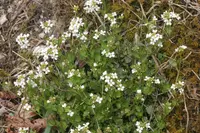
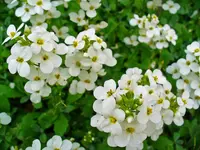
Garden Arabis (Arabis caucasica) is a low-growing perennial often used as a spring-flowering groundcover or edging plant. It forms dense, spreading mats of small, gray-green leaves. In early to mid-spring, it produces masses of white, four-petaled flowers that can cover the foliage, creating a bright, clean display. This species is native to rocky slopes and open areas in southeastern Europe and western Asia. It is generally easy to grow if given good drainage and moderate moisture, especially in sunny positions. Understanding how to care for Garden Arabis starts with providing a well-drained, slightly gritty soil that mimics its natural habitat.

Main Plant Requirements

Care Difficulty

Easy Care

Light Preference

Full Sun

Water Requirements

Low Water

Temperature Preference

Cold Hardy

Hardiness Zone

4–9

Soil Texture

Sandy, Loamy, Rocky

Soil pH

Acidic (5.5–6.5), Slightly acidic (6.5–7.0)

Soil Drainage

Well-drained

Fertilization

Minimal (feed rarely)

Get Personalized Care Plan

Scan your plant to receive care tips personalized for your specific plant

Available on iOS and Android

How to Care for the Garden Arabis

This alpine perennial thrives in cool, bright outdoor conditions with ample direct sun.

  • Provide 6–8 hours of direct sun daily, with morning sun and light afternoon shade ideal in hotter regions for Garden Arabis.
  • Plant in an open spot; light or dappled shade is tolerated, but dense shade causes weak, floppy growth and reduced flowering.
  • In hot summers, protect from intense late-afternoon sun to prevent leaf scorch, but avoid too much shade in winter when the sun is low.

This rock garden plant prefers slightly dry, free-draining conditions rather than constant moisture.

  • In the ground, water deeply only when the top 3–5 cm of soil feels dry, then allow excess to drain away fully.
  • Use gritty, sharply draining soil; prolonged wetness or puddling around Arabis caucasica increases risk of root rot and leaf yellowing.
  • Reduce watering in cool seasons; underwatering shows as limp, thin foliage, while overwatering shows as soft, yellowing leaves and possible dieback.

This cold-hardy perennial is adapted to cool climates and tolerates a wide temperature range outdoors.

  • Optimal growth occurs around 55–70°F (13–21°C), with best flowering in cool spring conditions.
  • Mature plants tolerate winter lows to about 0°F (−18°C) with good drainage; mulching helps roots in colder or exposed sites.
  • In summer, plants handle up to about 85–90°F (29–32°C) if soil does not stay soggy and foliage is protected from extreme reflected heat.

Humidity is not a major factor for Arabis caucasica, which thrives in typical outdoor air conditions.

Arabis caucasica prefers mineral, sharply draining soil that mimics rocky slopes.

  • Use a gritty mix such as 50–60% sandy or loamy garden soil blended with 40–50% coarse sand or fine gravel.
  • Aim for slightly alkaline to neutral pH around 6.8–7.5 to support strong growth and flowering.
  • Improve drainage and aeration by planting in raised beds, rock gardens, or mounded soil rather than flat, compacted ground.
  • Avoid heavy clay, waterlogged spots, or deep, rich organic beds, which encourage rot and leggy, weak growth.

This species adapts well to container growing, especially in shallow, wide pots or troughs.

  • Select a broad, low container so the spreading mat of foliage can cascade without becoming unstable in wind.
  • Use a very fast-draining, gritty medium and raise the pot slightly on feet or bricks to prevent water from pooling at the base.
  • Choose unglazed terracotta or another porous material so excess moisture evaporates quickly, reducing the risk of root rot in wet periods.

Arabis caucasica is a low-demand perennial that benefits from light feeding in poor soils during active growth.

  • Apply a balanced, slow-release fertilizer (around 10-10-10) once in early spring as new growth starts.
  • In richer garden soil, use a thin layer of compost instead of granular fertilizer to avoid overly lush, floppy growth in Garden Arabis.
  • Use fertilizer at half the label strength for container plants to prevent salt buildup in the root zone.
  • Stop feeding by late summer and avoid fertilizing during winter dormancy.

Arabis caucasica responds well to light, timed pruning that maintains a compact mat and encourages repeat flowering.

  • Shear back spent flower stems in late spring to early summer to tidy the plant and promote fresh foliage.
  • Remove dead, damaged, or winter-burned shoots with clean, sharp scissors or hand pruners at any time.
  • Thin crowded patches by cutting out a few older stems to improve air circulation and reduce disease risk.
  • Trim lightly around the edges to control spread without cutting deeply into woody, older growth.

This perennial is usually grown as a groundcover, so management focuses on transplanting clumps rather than frequent repotting.

  • Transplant outdoor Arabis caucasica in early spring or early fall when temperatures are mild and soil is workable.
  • Lift and divide crowded or bare-centered clumps every 3–4 years, discarding woody centers and replanting vigorous outer pieces.
  • If container-grown, repot only when roots circle the pot or growth stalls, moving up just 2–5 cm in pot width.
  • Water thoroughly after transplanting, keep soil evenly moist for 1–2 weeks, and shade from intense sun to reduce root stress.

Arabis caucasica is commonly propagated by division, cuttings, or seed to refresh older plantings and fill gaps.

  • Divide established clumps in early spring or early fall, replanting healthy outer sections at the same soil depth.
  • Take 5–8 cm softwood cuttings in late spring, insert into a gritty, moist mix, and keep in bright, indirect light.
  • Sow seeds in late summer or fall in well-drained soil; light cold exposure improves germination in spring.
  • Maintain even moisture but not saturation around new divisions or cuttings until strong root systems form.

This species is generally cold hardy and often needs little specific winter care in most temperate gardens.

  • Arabis caucasica tolerates frost and light freezes once established, especially in well-drained, gritty soil.
  • In colder regions, apply a thin 2–5 cm mulch layer around, but not over, the crown to buffer freeze–thaw cycles.
  • For container plants, move pots to a sheltered, unheated area to prevent root damage from repeated hard freezes.

Care Tips

Encourage Dense Mounding

After the first main bloom, lightly shear back spent flower stems by 3–5 cm to keep the mat compact, trigger fresh foliage, and reduce the chance of an open, woody center over time.

Edge and Contain

In rock gardens or along paths, use shallow edging stones or pavers to gently contain the mat and prevent unwanted spread into neighboring plants while still allowing trailing growth over the edging.

Improve Winter Survival

In colder regions, avoid heavy fall fertilizing and instead apply a thin, sharp-grit mulch around but not over the crowns to improve drainage and reduce freeze–thaw heaving that can lift plants out of the soil.

Plan for Rejuvenation

Every 3–4 years, plan to lift and divide older clumps in early spring, replanting only the youngest vigorous sections at the edges to maintain flowering performance when growing Garden Arabis.

Monitor for Crown Rot

Inspect plants in late winter and early spring, removing any brown, mushy crown sections promptly and lightly top-dressing with fresh gritty mix to improve airflow around remaining healthy growth.

Common Pests and Diseases

Downy mildew

This disease causes yellow to pale blotches on upper leaf surfaces with a grey to white downy growth underneath, often in cool, moist spring weather.

Solution

Remove and discard infected leaves, thin overcrowded plants, and avoid overhead watering to keep foliage dry. In persistent cases, apply a copper-based or phosphonate fungicide labeled for ornamental brassicas at the first signs, and rotate plantings to fresh soil if the bed is repeatedly affected.

Clubroot

This disease leads to swollen, distorted roots, stunted growth, and wilting during warm parts of the day, especially in acidic, poorly drained soils.

Solution

Remove and destroy affected plants including as much root as possible, and avoid replanting Arabis or other Brassicaceae in the same spot for several years. Improve drainage, raise soil pH toward neutral with garden lime if a soil test indicates acidity, and buy clean, disease-free plants to reduce future risk.

Flea beetles

These insects chew numerous tiny round holes in leaves, giving foliage a shot-hole or peppered appearance, especially on young plants in spring.

Solution

Protect young plants with floating row covers and reduce nearby weeds from the cabbage family that can host these beetles. For heavy feeding, use yellow sticky traps and, if needed, apply a spinosad or pyrethrin product labeled for ornamental use in the evening when pollinators are less active.

Cabbage aphids

This pest clusters in dense grey-green colonies on stems and flower spikes, causing curling, distortion, and sticky honeydew on foliage.

Solution

Wash colonies off with a strong stream of water, repeating every few days as needed, and prune out heavily infested stems. If populations remain high, use insecticidal soap or horticultural oil thoroughly on all infested surfaces, making sure good coverage reaches the undersides of leaves.

White blister rust

This disease produces raised white blister-like pustules on the undersides of leaves and stems, which may lead to distorted growth and yellowing foliage.

Solution

Remove and destroy affected leaves and any severely deformed plants to reduce spore sources, and avoid overhead irrigation that keeps foliage wet for long periods. Space plants for good air circulation, and in recurring cases follow labeled ornamental fungicides as part of broader Arabis caucasica care instructions in beds with a history of brassica rust diseases.

Interesting Facts

Early spring nectar source

This species flowers very early in spring, often while temperatures are still low, providing one of the first consistent nectar and pollen sources for emerging bees and other pollinators in its native range.

Adapted to rocky slopes

It naturally grows on limestone cliffs, screes, and rocky outcrops in the Caucasus and southeastern Europe, with a root system and low, mat-forming habit that help it anchor into shallow, stony soils.

Snow-white signaling flowers

The pure white, four-petaled flowers are highly visible against dark rock and soil backgrounds, which improves pollinator attraction in its native mountain habitats where floral competition in early spring is limited.

Botan icon

Did you know?

The mat-forming foliage of this plant can help reduce surface erosion on steep, stony slopes by stabilizing thin soil layers and slowing down runoff in its native mountainous habitats.

FAQs about Garden Arabis

This species forms low, spreading mats, but it is not usually aggressive. It spreads slowly by short stems and self-seeding. Light trimming after flowering and removing unwanted seedlings keep it within its space without difficulty.

Grow Healthy Plants with Botan Care

Keep your plants happy and healthy with plant identification, disease detection, and easy care guidance.

Botan plant care app — identify plants on mobile

Explore More Plants