Glaucous Primrose Care (Primula glaucescens)

Glaucous Primrose

About Glaucous Primrose

Primula glaucescens, often called glaucous primrose, is a compact alpine perennial from the limestone mountains of northern Italy. It forms low rosettes of bluish-green, slightly fleshy leaves.

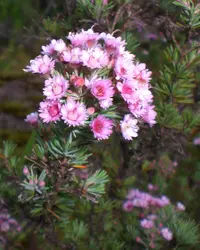
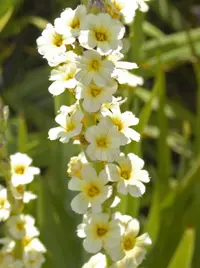
In spring it produces clusters of bright pink to magenta flowers with contrasting centers, held just above the foliage. Plants usually grow in rocky crevices and cool, well-drained slopes in nature.

This species prefers cool conditions, consistent moisture, and sharp drainage, which can make it more demanding than common garden primroses. Understanding how to care for Glaucous Primrose starts with providing bright, indirect light and a gritty, humus-rich soil that never stays waterlogged.

Main Plant Requirements

Care Difficulty

Hard Care

Light Preference

Partial Shade

Water Requirements

Keep Soil Moist

Temperature Preference

Cool Climate

Hardiness Zone

6–8

Soil Texture

Loamy, Rocky, Organic-rich

Soil pH

Acidic (5.5–6.5), Slightly acidic (6.5–7.0)

Soil Drainage

Moist but well-drained

Fertilization

Light (every 4–6 weeks)

Get Personalized Care Plan

Scan your plant to receive care tips personalized for your specific plant

Available on iOS and Android

How to Care for the Glaucous Primrose

This alpine primula prefers cool, bright conditions with protection from strong midday sun.

  • Provide 3–5 hours of gentle morning sun with bright, open shade or dappled light the rest of the day for Glaucous Primrose.
  • Avoid harsh afternoon sun, which can scorch leaves and bleach flowers; use taller plants, rocks, or shade cloth to filter light in exposed sites.
  • In summer, shift toward more shade to prevent stress; in late winter and early spring, allow more direct light to support compact growth and flowering.

This species prefers consistently moist but not saturated soil, especially during active growth and flowering.

  • Water when the top 2–3 cm of soil feel slightly dry, allowing moisture to penetrate deeply while avoiding puddling around the crown.
  • Use sharply drained, humus-rich soil so excess water runs off; yellowing, limp leaves and a sour smell indicate overwatering and potential root rot.
  • Reduce watering frequency in cooler months, but never let the root zone dry out completely; wilting and crisp leaf edges signal underwatering.

This alpine plant thrives in cool conditions and struggles in sustained heat.

  • Aim for 45–65°F (7–18°C) during active growth; short periods up to 70°F (21°C) are tolerated if soil stays moist and roots remain shaded.
  • Protect plants when temperatures drop near 25°F (-4°C); brief light frosts are usually tolerated, but hard freezes without snow cover can damage crowns.
  • In hot summers above 75°F (24°C), provide extra shade and mulch to cool the root zone, as prolonged heat above 80°F (27°C) can reduce vigor and flowering.

This alpine primula prefers moderately moist air but tolerates average household humidity if watering is consistent.

  • Aim for 40–60% humidity, avoiding very dry heated rooms that desiccate leaves and flower buds.
  • Watch for crisp leaf edges, drooping foliage, or rapid bud drop as signs of low-humidity stress.
  • Group pots, place the container on a pebble tray with water below the pot base, or run a nearby humidifier to raise humidity.

Primula glaucescens prefers a cool, moist but sharply drained, humus-rich soil.

  • Use a loose, crumbly mix such as 40% fine compost, 40% loam, and 20% mineral grit (perlite or coarse sand) for structure.
  • Ensure fast drainage so water runs through in seconds, while organic matter retains enough moisture between waterings.
  • Aim for slightly acidic to neutral pH (6.0–7.0), avoiding strongly alkaline, chalky mixes that reduce nutrient uptake.
  • Improve aeration and drainage by adding extra grit or fine bark and avoid compacted, heavy clay-based garden soil in pots.

This species is well suited to container culture, especially in cool outdoor spots such as patios or shaded troughs.

  • Choose a wide, shallow pot that matches its fibrous, surface-leaning roots and prevents deep, soggy zones.
  • Select porous materials such as terracotta where frequent watering is possible, as they help prevent prolonged wetness around the crown.
  • Raise the pot slightly on feet or bricks outdoors so drainage holes stay clear and excess water cannot pool under the container.

This alpine perennial benefits from modest feeding but excess nutrients can reduce flowering and stress the plant.

  • Use a balanced, low-strength liquid fertilizer (for example 10-10-10) at 1/2 dilution every 3–4 weeks during active spring growth.
  • Alternatively, apply a very thin layer of fine compost around the root zone instead of frequent liquid feeds.
  • Stop feeding Glaucous Primrose in late summer and avoid fertilizing through winter dormancy to prevent soft, frost-tender growth.
  • In containers, flush the soil with plain water occasionally to prevent salt buildup from repeated fertilization.

Primula glaucescens needs only light pruning focused on cleanliness and sustained flowering.

  • Deadhead spent flower stems in spring by cutting them near the base to encourage further blooming and reduce seed set.
  • Remove dead, yellowing, or damaged leaves with clean scissors or small snips to limit disease and improve airflow.
  • Thin crowded foliage rosettes slightly after flowering to maintain a compact, healthy clump form.
  • Disinfect blades before and after use to reduce transmission of fungi and bacterial pathogens.

This species is usually grown in rock gardens or troughs and only needs infrequent repotting or transplanting.

  • Check containers every 2–3 years; repot when roots circle the pot, growth slows, or soil structure breaks down.
  • Carry out transplanting in early spring or just after flowering so the plant can re-establish before heat or hard frost.
  • Move into a shallow, only slightly larger pot or pocket with very free-draining, gritty mix to limit root disturbance.
  • Water lightly after transplanting, keep shaded for a few days, and avoid heavy feeding until new growth resumes.

New plants are commonly raised by division or seed, with care taken to maintain cool, moist, well-drained conditions.

  • Divide mature clumps in early spring, separating rosettes with attached roots and replanting them immediately at the same depth.
  • Sow fresh seed of Primula glaucescens on the surface of a gritty seed mix and do not bury the fine seeds deeply.
  • Provide cool temperatures, bright but indirect light, and constant slight moisture to support germination and early growth.
  • For divisions and seedlings, protect from strong sun and waterlogging, which can cause transplant shock or rot.

This alpine primula is fairly cold hardy but benefits from simple winter precautions, especially in containers.

  • In the ground, use a light, gritty mulch around the crown to keep the root zone stable without smothering it.
  • Avoid waterlogged soils before freezes, as saturated roots are more vulnerable to frost damage and rot.
  • For pots, move containers into a cold frame, unheated greenhouse, or sheltered porch in regions with severe freeze–thaw cycles.

Care Tips

Cool root zone

Place the pot inside a slightly larger cachepot and fill the gap with damp perlite or fine gravel to keep roots cool and evenly moist during active growth.

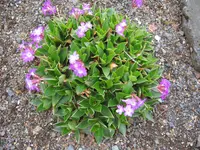
Avoid crown burial

When repotting, keep the leaf rosette sitting just above the substrate surface, since burying the crown encourages rot and shortens the life of the plant.

Post-bloom resting

After flowering, reduce fertilizer and keep the plant in a bright, cool place for several weeks to allow a short rest that supports bud formation for the next season.

Gentle deadheading

Remove spent flower stems with clean scissors as soon as petals fade, cutting low at the base without injuring emerging buds to extend the blooming period.

Preventive pest checks

Inspect the undersides of leaves and tight rosettes weekly with a hand lens, and rinse foliage with a gentle, tepid water spray at the sink to dislodge early aphid or mite activity when caring for Glaucous Primrose.

Common Pests and Diseases

Aphids

This pest often colonizes young flower stems and leaf undersides, sucking sap and weakening the plant, especially in cool, sheltered sites. Symptoms include distorted growth, sticky honeydew, and sooty mold on leaves and flower stalks.

Solution

Remove heavily infested flower stalks, then wash remaining foliage with a firm stream of water to dislodge insects. If needed, apply insecticidal soap or a neem oil spray, repeating weekly until populations are controlled, and avoid overfertilizing, which can encourage soft, aphid-prone growth.

Vine weevils

These insects damage Primula glaucescens mainly as larvae in the soil, where they eat roots and crowns, causing sudden wilting and plant collapse. Adult beetles chew irregular notches in leaf edges, usually at night.

Solution

Inspect pots and soil for C-shaped white grubs and discard heavily infested material. Use biological controls such as entomopathogenic nematodes in moist soil during the active season, and avoid leaving containers standing in old, undisturbed compost where adults can lay eggs.

Spider mites

This pest thrives in warm, dry indoor or greenhouse conditions and feeds on leaf sap, leading to pale, stippled foliage and fine webbing. Symptoms include dull, grey-green leaves that may eventually dry at the edges.

Solution

Increase humidity around the plant, regularly misting the foliage or placing the pot on a pebble tray, and rinse leaves gently to remove mites. If populations persist, apply a miticidal soap or horticultural oil to both upper and lower leaf surfaces, repeating as directed for effective Primula glaucescens plant care.

Botrytis blight

This disease is favored by cool, stagnant, humid air and dense foliage, causing soft brown spots on leaves, buds, and flowers that soon develop grey, fuzzy mold. Symptoms include collapsing flower stalks and decaying leaf bases, especially in crowded pots or trays.

Solution

Promptly remove and discard all affected leaves and spent flowers, and improve airflow by spacing plants and avoiding overhead watering late in the day. Keep foliage as dry as possible, water at the base, and consider a fungicidal spray labeled for ornamental plants if cultural controls are not sufficient.

Powdery mildew

This disease appears as a white, powdery coating on leaves, especially in conditions with cool nights, warm days, and poor air circulation. Symptoms include yellowing, distorted foliage and reduced flowering over time.

Solution

Increase ventilation around the plants, avoid crowding, and water at soil level rather than on the leaves. Remove the most affected foliage and, if needed, use a sulfur-based or other labeled fungicide, applying in dry conditions according to label directions.

Interesting Facts

Alpine limestone specialist

This species is native to a very small area of the southern Alps in Italy, where it grows almost exclusively on calcareous (lime-rich) rocky slopes and outcrops at higher elevations.

Naturally glaucous foliage

The leaves have a characteristic bluish-grey, slightly powdery surface, known as a glaucous coating, which helps reduce water loss and reflection of intense mountain sunlight.

Early snowmelt bloomer

In its native habitat it flowers soon after snowmelt, taking advantage of cool temperatures and abundant meltwater before competition from taller alpine vegetation increases.

FAQs about Glaucous Primrose

Lack of flowers is usually linked to stress from warmth, crowding, or nutrient imbalance. Cool conditions after winter, a short rest period, and light feeding with a low-nitrogen fertilizer support bud formation and reliable flowering.

Grow Healthy Plants with Botan Care

Keep your plants happy and healthy with plant identification, disease detection, and easy care guidance.

Botan plant care app — identify plants on mobile

Explore More Plants