Cool root zone
Mulch lightly with fine gravel or grit around the crown to keep the root zone cool and free-draining, but leave the crown itself exposed to prevent rot in this alpine primrose.

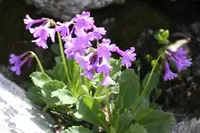
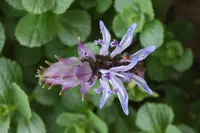
Viscid primrose, Primula latifolia, is a small, clump-forming perennial known for its sticky leaves and delicate, often violet to pink flower clusters. It typically forms low rosettes of foliage with upright stems carrying tight heads of blooms.
This species is native to mountainous regions of Europe, where it grows in cool, moist, often rocky habitats. Its alpine origin means it prefers moderate temperatures, consistent moisture, and well-drained, humus-rich soil.
Gardeners find it moderately demanding, mainly because it dislikes heat, drying out, and waterlogged conditions. Understanding these natural preferences is the key to successful long-term care for Viscid Primrose.

Care Difficulty
Moderate Care

Light Preference
Partial Shade

Water Requirements
Keep Soil Moist

Temperature Preference
Cool Climate

Hardiness Zone
5–8

Soil Texture
Loamy, Silty, Organic-rich

Soil pH
Acidic (5.5–6.5), Slightly acidic (6.5–7.0)

Soil Drainage
Moist but well-drained

Fertilization
Light (every 4–6 weeks)
Scan your plant to receive care tips personalized for your specific plant
Available on iOS and Android
Primula latifolia prefers cool, bright conditions with gentle sun rather than intense exposure.
Primula latifolia needs consistently moist but not waterlogged soil, especially during active growth and flowering.
This species favors cool, temperate conditions and dislikes prolonged heat or severe, exposed frost.
This species prefers consistently moist air and reacts to very dry indoor conditions.
Primula latifolia grows best in moist, airy soil that stays cool but never waterlogged.
This primrose is suitable for cool, shaded container displays outdoors.
Primula latifolia benefits from modest feeding during active growth but does not need heavy fertilization.
Primula latifolia needs only light, targeted pruning to maintain flowering and a tidy clump.
This primrose is more often transplanted in garden beds than grown long term in containers.
Primula latifolia is commonly propagated by division and from seed under cool, moist conditions.
This species is generally cold hardy in temperate climates and needs only modest winter care in the ground.

Plant Health Check
Not sure what's wrong with your plant? Check your plant's health inside the app.
Primula latifolia is naturally restricted to high-elevation limestone cliffs and rocky slopes in the western Alps, where it anchors in narrow crevices with very shallow, lime-rich soils.
The leaves have a slightly viscid, or sticky, surface due to glandular hairs that can trap fine dust and tiny insects, likely reducing herbivory and water loss in exposed mountain habitats.
This species flowers relatively early in the short alpine growing season, providing one of the first concentrated nectar and pollen sources for specialized high-mountain pollinators such as solitary bees and small flies.
This species is a hardy perennial. It regrows each spring from the same crown, provided the roots do not rot or dry out severely. Clumps can persist for many years if conditions stay cool, moist, and well drained.
Keep your plants happy and healthy with plant identification, disease detection, and easy care guidance.